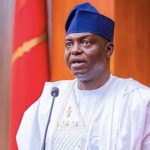
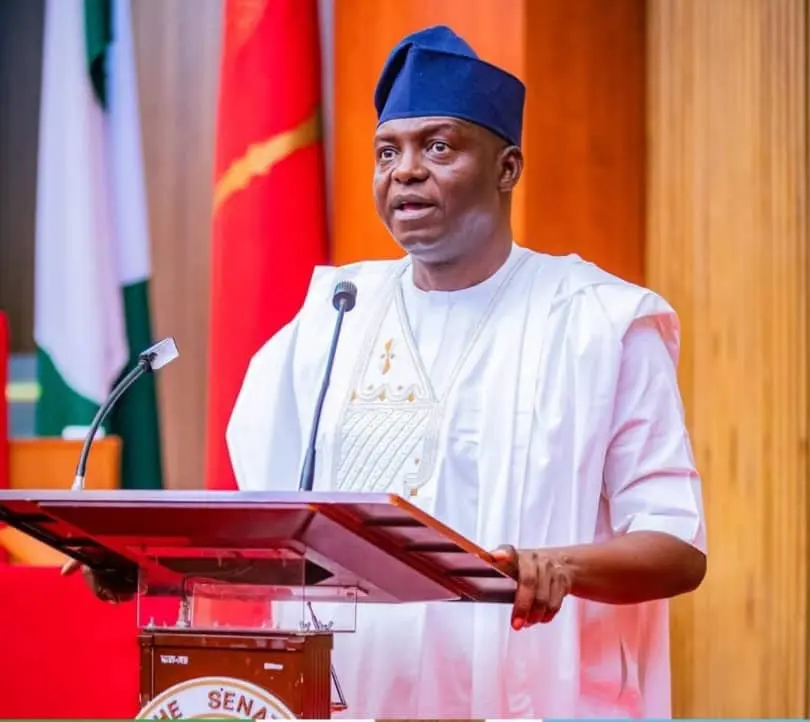
 The National Chairman of the All Progressives Congress (APC), Professor Nentawe Yilwatda, has unveiled an ambitious and far-reaching economic strategy by the administration of Bola Ahmed Tinubu aimed at transforming Kano into Northern Nigeria’s foremost commercial capital and a strategic gateway for transnational trade across West Africa.
Speaking in Abuja, Yilwatda described the Federal Government’s ongoing infrastructure rollout across Kano and the broader Northern corridor as part of a deliberate and integrated economic blueprint designed to reposition the ancient city as a modern industrial powerhouse.
According to him, the Tinubu administration is leveraging Kano’s historic role as a commercial nerve centre and its proximity to the Sahel region to unlock new trade corridors, stimulate industrialisation, and diversify Nigeria’s economic base.
“This is not just development; it is a redesign of Northern Nigeria’s economic future anchored on Kano as the regional growth engine,” Yilwatda stated.
Infrastructure-Led Transformation
At the core of the government’s strategy is a network of interconnected infrastructure projects expected to redefine logistics, energy supply, and industrial productivity in the region.
The Kaduna–Kano standard gauge railway, nearing completion, is set to provide a seamless link between Kano, Abuja, and Southern Nigeria, cutting transportation costs and improving supply chain efficiency for businesses.
Complementing this is the Kano–Maradi railway, a cross-border project that will connect Nigeria to Niger Republic and the wider Sahel trade belt. Analysts say this corridor could significantly boost non-oil exports and strengthen Nigeria’s economic influence in Francophone West Africa.
Within the city, the proposed Kano Metropolitan Rail Service is expected to modernise urban mobility, ease congestion, and enhance commercial activities in one of Africa’s most densely populated trading hubs.
Energy supply, a longstanding bottleneck for industries in the North, is also being addressed through the AKK Gas Pipeline project. The pipeline is expected to deliver industrial gas to Kano, powering factories, fertiliser plants, and electricity generation, thereby reviving dormant manufacturing clusters.
In addition, ongoing upgrades to the Abuja–Kaduna–Zaria–Kano highway and the planned Sokoto–Badagry Super Highway are set to strengthen connectivity between the North and Southern export corridors, opening up new opportunities for agriculture, logistics, and trade.
Economic and Strategic Implications
Yilwatda stressed that Kano’s transformation is central to Nigeria’s broader economic stability, noting that the city hosts one of Africa’s largest informal and formal market ecosystems.
He argued that revitalising Kano’s traditional strengths in textiles, leatherworks, and agro-processing would catalyse industrial rebirth across the North, while reducing the country’s overdependence on Lagos as the dominant commercial hub.
“Building Kano into a second mega economic city is not optional; it is a national imperative for balanced growth and long-term stability,” he said.
Economic observers note that if fully implemented, the integrated infrastructure approach could position Kano as a major inland logistics hub, facilitating trade flows between coastal ports and landlocked West African countries.
Political Reactions and Criticism
The APC chairman, however, criticised opposition parties for what he described as a lack of policy depth, accusing them of focusing on political rhetoric rather than offering viable economic alternatives.
“They have no blueprint, no strategic vision. While this administration is building the economic backbone of the North, they remain preoccupied with power struggles,” he said.
Looking Ahead
Stakeholders say the success of the Kano transformation agenda will depend on timely execution, policy consistency, and private sector participation, particularly in manufacturing and logistics.
If realised, the initiative could mark a turning point in Nigeria’s economic geography—shifting growth dynamics beyond Lagos and unlocking the vast commercial potential of Northern Nigeria.
Yilwatda expressed optimism that the Tinubu administration’s legacy would be defined by its ability to industrialise the North and reposition Kano as a dominant economic force in West Africa.
APC Chairman Nentawe Yilwatda outlines President Tinubu’s plan to transform Kano into Northern Nigeria’s economic hub through rail, gas, and infrastructure projects.
Discover more from Ameh News
Subscribe to get the latest posts sent to your email.