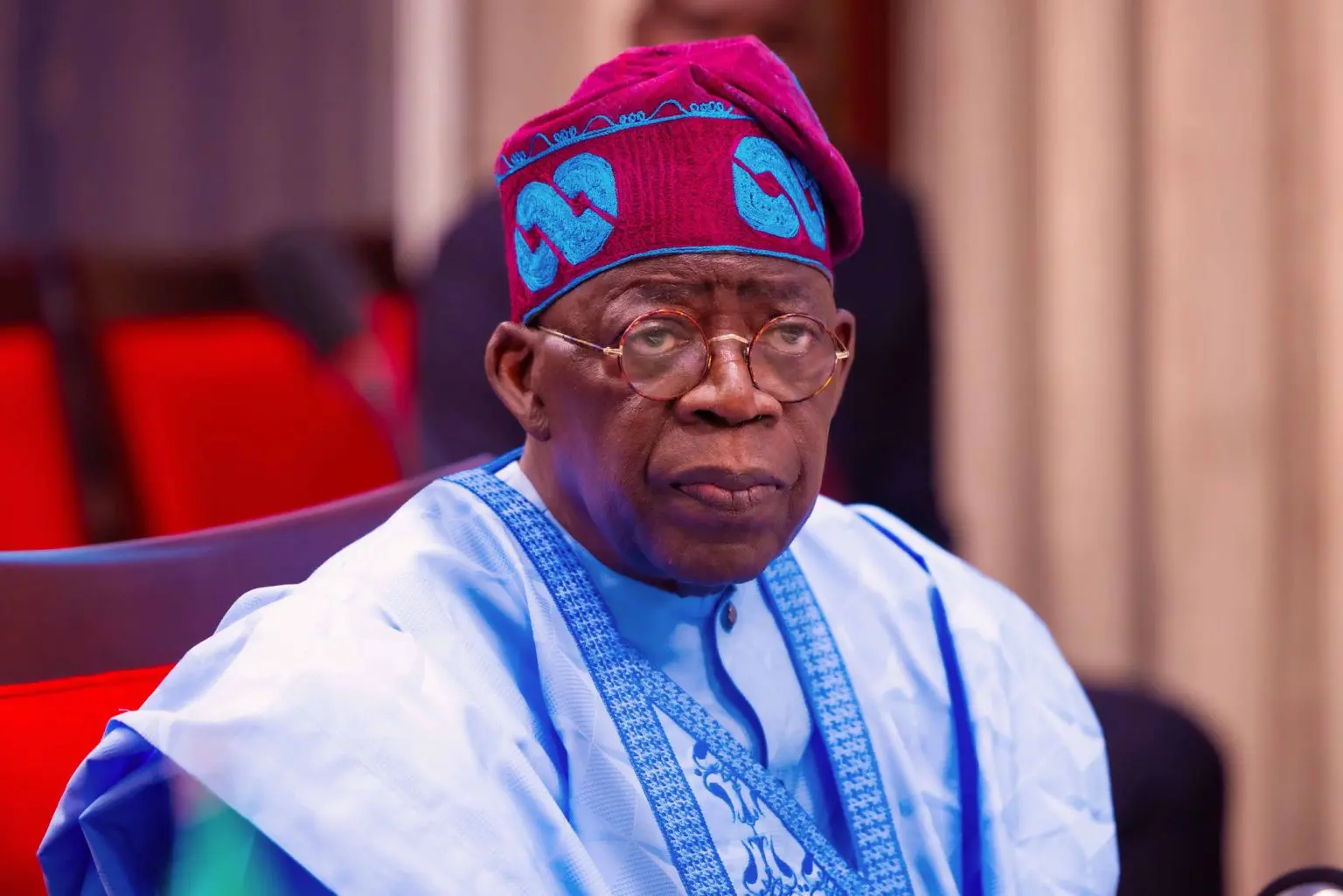
 When President Bola Ahmed Tinubu stepped into office on May 29, 2023, one of his immediate priorities was clear: put Nigeria back on the global investment map. Two years and 36 foreign trips later, the Presidency says the dividends of that ambition are now evident — over $50 billion in foreign direct investment (FDI) commitments.
Ambassador Sola Enikanolaye, the President’s Senior Special Assistant on Foreign Affairs and International Relations, offered this mid-term account of Tinubu’s foreign policy journey during a briefing in Abuja. According to him, the President’s diplomatic shuttles across Africa, Europe, Asia, the Middle East, and the Americas were carefully calculated — not just for photo opportunities, but to open Nigeria’s doors wider to global capital.
“These visits were strategic. They were about rekindling confidence in Nigeria, building trust with global investors, and strengthening our bilateral relationships,” Enikanolaye said. “And they are paying off — over $50 billion in investment commitments is no small feat.”
From major economies like the United States, the United Kingdom, Germany, India, and China, to regional allies like Ghana, Kenya, and the UAE, Tinubu’s itinerary has been extensive. The Presidency says more trips are in the pipeline, all with one goal: to deepen economic cooperation and drive home the message that Nigeria is open for business.
Yet while the international investment narrative is gaining ground, back home, a more pressing issue is demanding attention — the N2 trillion debt owed to Nigeria’s electricity generation companies (GenCos). For years, this legacy debt has choked the country’s power sector, disrupting operations and crippling electricity supply.
But change may be on the horizon.
Speaking at the second Nigerian Electricity Supply Industry (NESI) Stakeholders Meeting of 2025 in Abuja, Eriye Onagoruwa — who represented the Special Adviser to the President on Energy — revealed that internal government processes are already in motion to settle the debt before the end of the next quarter.
“We understand what GenCos are going through. The liquidity crisis is real,” she said. “That’s why we’re working with the Coordinating Minister of the Economy and the Debt Management Office to explore alternative instruments for clearing this debt. Fiscal constraints are real, but so is our commitment to stabilising the power sector.”
Though Onagoruwa stopped short of naming a specific date, she expressed hope that firm decisions would be announced before the next quarterly NESI meeting — a sign that the Tinubu administration is feeling the urgency.
For everyday Nigerians, the link between international investments and electricity supply may seem abstract. But for businesses, factories, and millions of homes stuck in darkness, these two stories are connected. A stable power sector is critical to absorbing the kinds of investments the President has been pursuing abroad.
In the end, President Tinubu’s foreign trips and policy initiatives are about more than optics — they are a gamble on Nigeria’s future. Whether it’s convincing foreign investors to bring billions or clearing long-standing energy debts at home, the success of these efforts could very well define the legacy of this administration.
Stay informed, stay ahead with The Ameh News
Discover more from Ameh News
Subscribe to get the latest posts sent to your email.