Major Investments and Challenges Define Nigeria’s Evolving Tech Landscape
 Nigeria’s digital landscape is experiencing a wave of transformation, with key policy decisions, major investments, and financial setbacks shaping the industry’s trajectory.
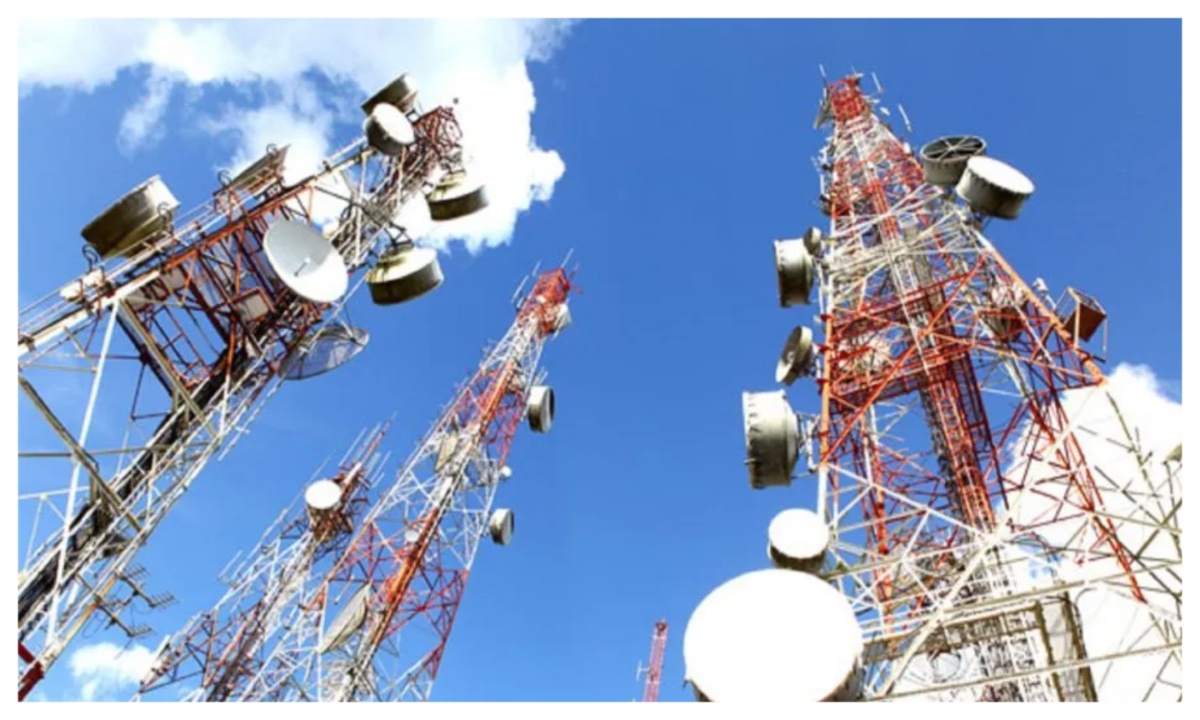
The Federal Executive Council (FEC) has approved the construction of 7,000 new telecom towers, a move expected to significantly enhance connectivity across urban and rural areas. This ambitious infrastructure expansion is part of the government’s strategy to bridge the digital divide, improve broadband penetration, and support economic growth in the technology sector.
However, even as Nigeria strengthens its telecom infrastructure, challenges persist. MTN Nigeria, the country’s leading telecommunications provider, reported a staggering ₦400.4 billion after-tax loss in 2024. The company attributed its financial downturn to the sharp devaluation of the naira and forex volatility, which have severely impacted operating costs and revenue margins.
Adding to its woes, MTN has been implicated in a report on internet shutdowns, raising concerns over digital rights and accessibility. The allegations have sparked debates over the role of telecom operators in maintaining unrestricted internet access, particularly in a country where digital services drive critical economic and social activities.

In contrast, Airtel has announced a $500 million investment in Nigeria’s digital infrastructure, signaling strong confidence in the country’s long-term growth potential. The telecom giant’s commitment aligns with broader efforts to expand broadband access, enhance service quality, and accelerate Nigeria’s digital transformation.
Meanwhile, Lagos State Governor, Babajide Sanwo-Olu, disclosed that the state has attracted over $1.2 billion in digital investments in the past five years, solidifying its reputation as Nigeria’s foremost technology hub. The influx of capital has fueled the expansion of fintech, e-commerce, and other digital services, reinforcing Lagos as the center of innovation and entrepreneurship in West Africa.
Despite industry challenges, Nigeria’s telecom sector remains a critical pillar for economic development. With continued government backing, private sector commitments, and regulatory stability, the nation is poised to achieve greater digital inclusion and global competitiveness in the years ahead.
Stay informed, Stay ahead with The Ameh News
Discover more from Ameh News
Subscribe to get the latest posts sent to your email.