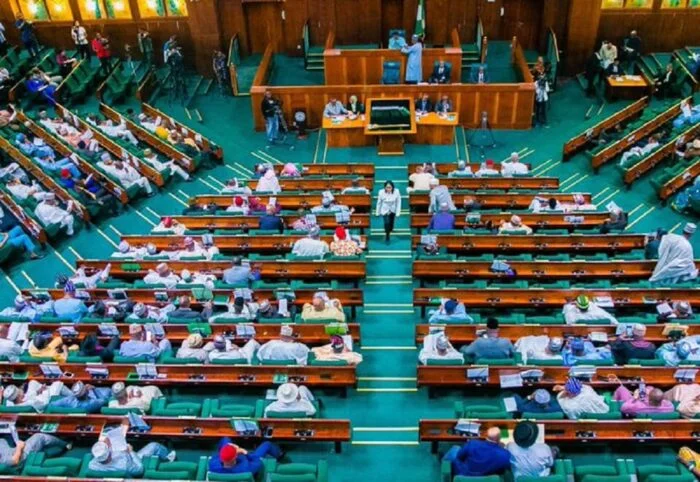
 In a bold move to regulate online content, the House of Representatives has directed the Nigerian Communications Commission (NCC) to block all pornographic websites across the country. This directive, aimed at curbing the perceived moral decline associated with unrestricted access to adult content, has sparked a nationwide debate on digital freedoms, social values, and internet censorship.
However, as lawmakers take action against pornography, opposition voices are demanding equal urgency in tackling economic exploitation. Critics are now calling on the same House of Representatives to instruct the Central Bank of Nigeria (CBN) to block all channels of foreign currency transfers, arguing that fraudulent government officials are siphoning funds abroad, draining Nigeria’s economy.
The twin debates—one focused on moral preservation and the other on financial accountability—highlight growing tensions over the government’s priorities and the broader human impact of these legislative actions.
The Ban on Pornography: Protecting Society or Restricting Freedom?
Lawmakers who championed the directive argue that unrestricted access to pornographic content is eroding Nigeria’s cultural values and contributing to social vices such as sexual violence, addiction, and the objectification of women.
The human impact of the ban is expected to play out in multiple ways:
- Youth and Family Values – Parents and educators have welcomed the decision, believing that shielding young people from adult content will lead to healthier relationships and responsible behavior.
- Mental Health Concerns – Supporters claim that restricting access to pornography will reduce cases of addiction, depression, and unrealistic sexual expectations among viewers.
- Digital Rights and Internet Freedom – Opponents warn that this could be the first step in broader government censorship, threatening freedom of expression and personal liberties in the digital space.
Despite these concerns, the NCC has been tasked with working alongside internet service providers (ISPs) to enforce the ban, though experts argue that determined users will still find ways to bypass restrictions using VPNs and proxies.
Opposition’s Demand: A Crackdown on Foreign Currency Transfers
As the House focuses on curbing the influence of pornography, opposition voices have raised a pressing economic concern: the unchecked outflow of Nigeria’s wealth through foreign currency transfers.
According to the report, the opposition figures argue that corrupt government officials are exploiting the financial system to move stolen funds abroad, weakening the naira and worsening inflation worse than pornographic. They insist that if the House of Representatives is serious about safeguarding Nigeria’s future, they should direct the CBN to immediately block all channels of foreign currency transfers to prevent the continued looting of public funds.
The human impact of this demand, if implemented, would be substantial:
- Curbing Corruption – A restriction on illegal foreign transfers which could limit how fraudulent officials siphon funds abroad, increasing accountability in government finances.
- Economic Disruptions – Legitimate businesses and individuals who rely on international transactions for trade, education, and medical expenses could face unintended hardships because of transfer restrictions.
- Exchange Rate Stability – Limiting foreign currency outflows might strengthen the naira in the long run, but critics warn that it could also deter foreign investments and remittances from Nigerians in the diaspora.
Balancing National Morality and Economic Survival
The contrasting demands—one focused on moral values and the other on economic justice—underscore a deeper divide in Nigeria’s governance priorities. While the NCC has been mandated to act on pornography, the CBN remains under pressure to address financial fraud at the highest levels of government.
For many Nigerians, the bigger question remains: Why does the government act swiftly on moral issues while economic corruption persists unchecked? If the Reps are willing to block pornographic content for the sake of public morality, should they not also block avenues for financial misconduct that cripple the nation’s economy?
As the nation watches both debates unfold, the human impact will be measured not just in restricted content but in the economic realities faced by ordinary Nigerians.
Stay informed, Stay ahead with The Ameh News
Discover more from Ameh News
Subscribe to get the latest posts sent to your email.