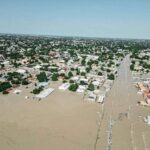
 In recent years, Nigeria has faced the escalating challenges of climate change, with floods, droughts, and rising temperatures disrupting lives and livelihoods. These events have underscored the urgent need for resilience-building efforts, particularly in the insurance sector, which stands as a critical buffer against the economic and social impacts of climate disasters.
Looking back, the devastating floods of 2012 marked a turning point for the country. Over 30 of Nigeria’s 36 states were affected, resulting in damages exceeding ₦2.6 trillion and displacing millions of people. This event highlighted the nation’s vulnerability and the gaps in insurance coverage for climate-related risks. It became evident that traditional insurance models were ill-equipped to address the scale of emerging climate challenges.
In response, stakeholders in the insurance sector began to explore innovative solutions. Microinsurance products tailored to farmers and small businesses emerged as a lifeline for those most vulnerable to climate shocks. Collaborations between insurers, government agencies, and international organizations have since gained momentum, focusing on risk assessment, data sharing, and capacity-building initiatives.
Today, the reflection is clear: building climate resilience is not just a moral imperative but a strategic necessity for sustainable insurance growth. The Federal Government’s collaboration with the Nigerian Meteorological Agency (NiMet) to improve early warning systems is a testament to progress. Moreover, private insurers like AIICO and NSIA have invested heavily in climate risk management tools, recognizing the long-term benefits of proactive measures.
The journey, however, is far from over. To achieve sustainable growth, Nigeria’s insurance sector must deepen its commitment to green policies, leveraging technology to develop predictive models and parametric insurance products. Greater public awareness is also crucial, as many Nigerians remain uninsured, leaving them exposed to the catastrophic impacts of climate change.
As climate change continues to reshape global economies and ecosystems, the Nigerian insurance sector is stepping up to the challenge. By the end of June 2022, the National Insurance Commission (NAICOM) had licensed 15 insurance companies to develop and provide climate-related products tailored to the country’s unique risks and vulnerabilities.
This milestone represents a pivotal shift towards embedding sustainability and resilience in the industry. Recognizing the economic and social disruptions caused by extreme weather events such as floods, droughts, and coastal erosion, NAICOM has championed initiatives to encourage insurers to address climate risks.
To this end, Chief Underwriting Officers (CUOs) across the industry are being called upon to adopt bold, forward-thinking strategies. At the heart of these strategies lies the development of climate resiliency frameworks—a set of best practices aimed at safeguarding businesses, communities, and the environment. These frameworks focus on key areas such as:

Risk Assessment and Modeling: Using advanced data analytics and predictive models to evaluate the impact of climate events.
Innovative Products: Designing parametric and microinsurance solutions for vulnerable populations, particularly in agriculture and coastal communities.
Green Investments: Aligning portfolio strategies with environmentally friendly projects, such as renewable energy and sustainable infrastructure.
Stakeholders are also encouraged to partner with government agencies, such as the Nigerian Meteorological Agency (NiMet), to improve access to climate data. These collaborations will help insurers design products that accurately reflect the risks and realities faced by Nigerian citizens and businesses.
Reflections on Progress
While the licensing of 15 companies is a significant achievement, industry experts emphasize that it is only the beginning. Greater awareness, capacity building, and policy alignment are essential to fully integrate climate resiliency into Nigeria’s insurance landscape.
Through bold actions and sustainable practices, Nigerian insurers have the opportunity to not only protect their bottom lines but also play a crucial role in building a resilient, climate-adaptive future for the nation.
As Nigeria reflects on its strides and challenges, the lesson is unmistakable: resilience-building is not optional. By embedding sustainability into its core strategies, the insurance sector can not only weather the storms of climate change but also drive economic stability and societal well-being for generations to come
Discover more from Ameh News
Subscribe to get the latest posts sent to your email.