Telecom operators align with ESG principles as sustainability reports gain momentum across Nigeria’s digital infrastructure.
 Nigeria’s telecommunications industry is undergoing a major transformation, with sustainability reporting emerging as a critical driver of growth, transparency, and investor confidence. As global attention shifts toward Environmental, Social, and Governance (ESG) practices, major telecom operators in Nigeria are now aligning their strategies with international sustainability standards.
Operators Lead the Charge on ESG Compliance
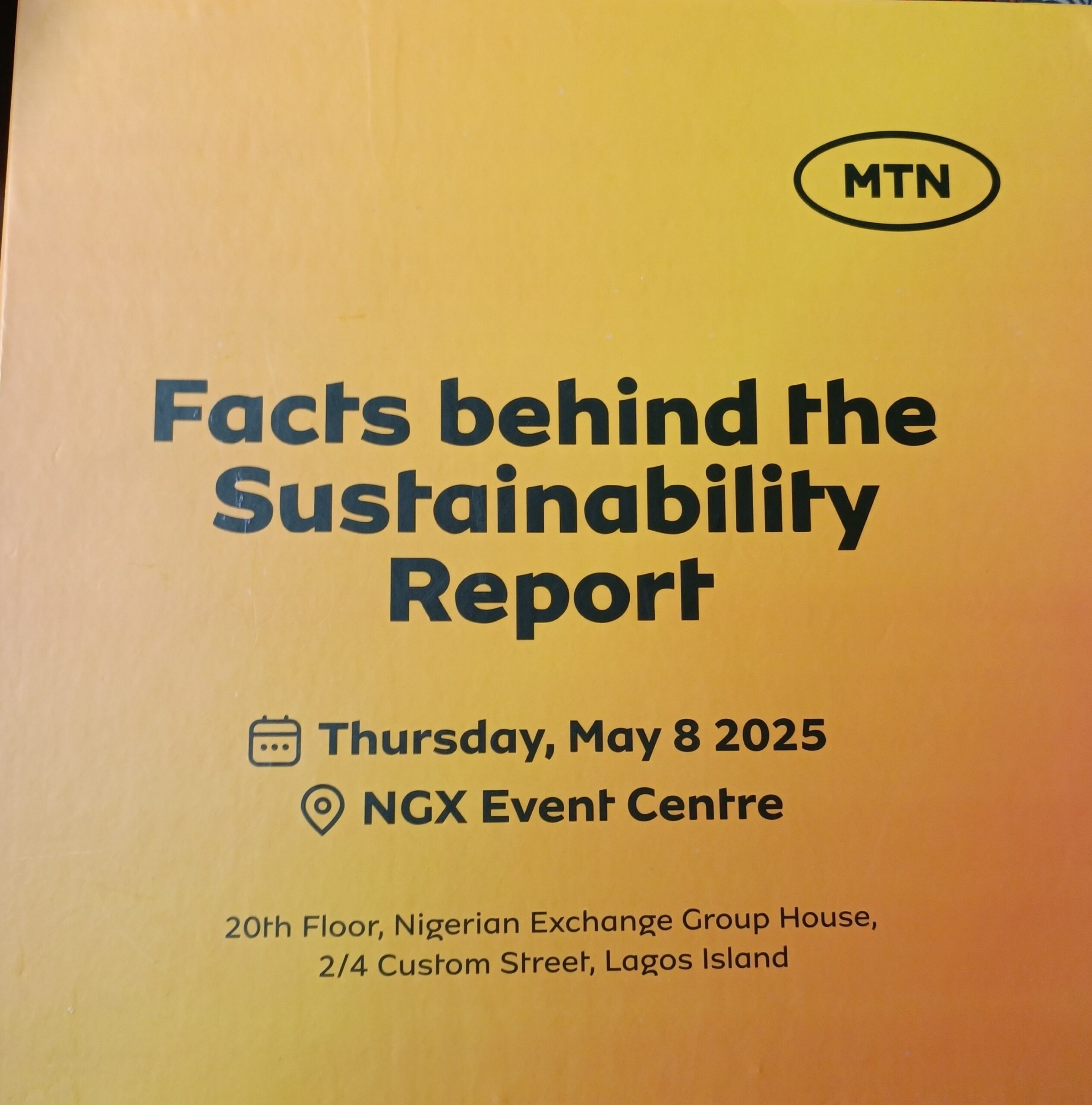
Leading telecom companies including MTN Nigeria, Airtel Africa, Globacom, and 9mobile have begun publishing comprehensive sustainability reports. These reports highlight their efforts in reducing carbon emissions, investing in local communities, enhancing data privacy, and promoting inclusive access to digital infrastructure.
Regulators Push for Greater Transparency
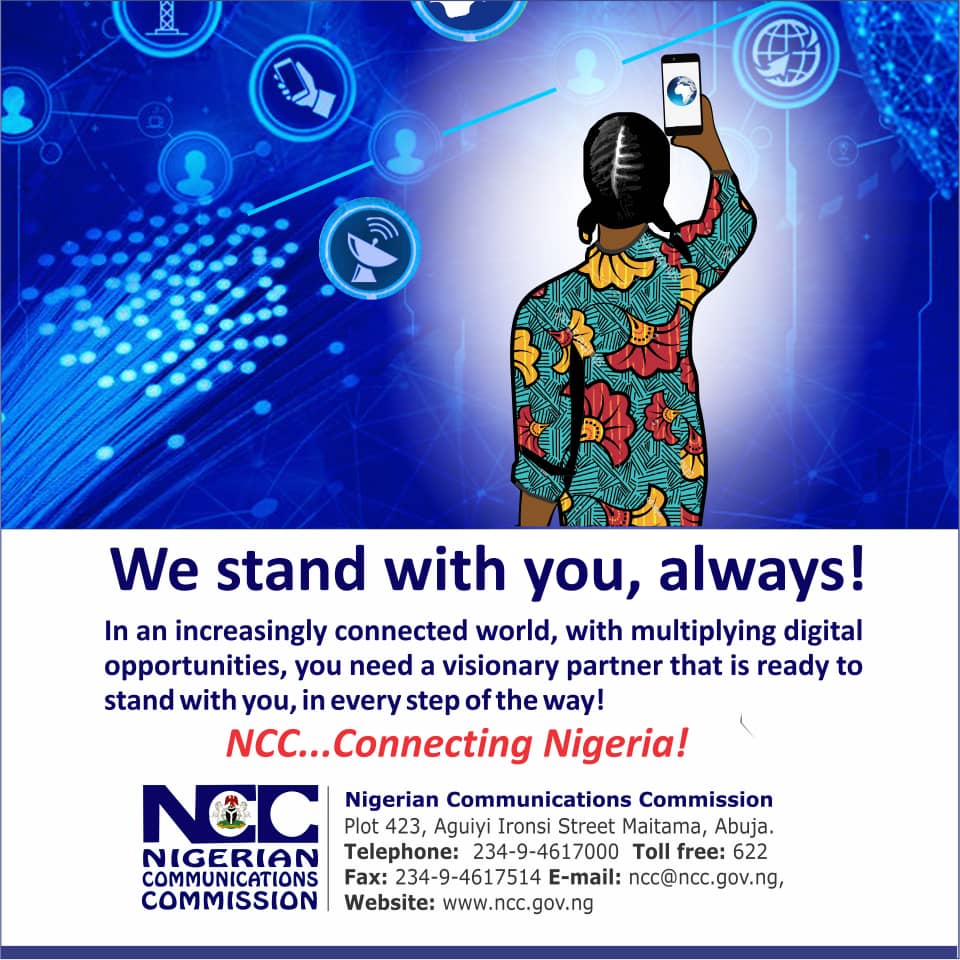
The Nigerian Communications Commission (NCC) has played an enabling role by encouraging operators to adopt globally recognized reporting frameworks such as the Global Reporting Initiative (GRI), Sustainability Accounting Standards Board (SASB), and the United Nations Sustainable Development Goals (SDGs).
This regulatory support is fostering a more transparent and future-ready telecom industry. It also provides a roadmap for policy makers, helping them understand ESG risks and opportunities across Nigeria’s digital landscape.
Experts Say Sustainability Is Now a Business Strategy
Industry experts say sustainability reporting has evolved from a compliance checklist to a core business strategy.
“It signals corporate accountability, supports policy formulation, and ultimately drives the industry toward inclusive and green growth,” said a digital economy researcher expert.
The reports are also impacting the investment community. ESG-focused investors are now looking at sustainability performance before committing capital. This trend is pushing telecom companies to strengthen their governance, environmental stewardship, and social impact.
“Transparency builds investor confidence,” noted an ESG analyst based in Lagos. “Telecom firms that provide accurate, verifiable ESG data are better positioned for long-term capital inflows.”
Challenges Still Loom for Smaller Operators
Despite the progress, not all telecom firms have adopted sustainability reporting. Smaller operators face challenges such as limited technical expertise, inadequate data systems, and a lack of awareness about ESG benefits.
Stakeholders are calling for the development of a localized ESG reporting framework tailored to Nigeria’s unique market conditions. Such a framework would reduce the reporting burden on smaller players and promote industry-wide compliance.
Looking Ahead: A More Responsible Digital Future
The adoption of sustainability reporting marks a turning point for Nigeria’s telecom sector. As more operators commit to transparent, responsible operations, the industry is poised to grow—not just in coverage and technology—but in resilience, trustworthiness, and sustainability.
 This evolution offers a blueprint for other sectors in Nigeria’s economy, positioning the telecom industry as a beacon of responsible growth in the digital age.
Here are the key takeaways from the story on sustainability reporting in Nigeria’s telecom sector:
- Sustainability Reporting Is on the Rise: Major Nigerian telecom operators like MTN, Airtel, Globacom, and 9mobile are adopting ESG (Environmental, Social, Governance) reporting practices.
- NCC’s Regulatory Support: The Nigerian Communications Commission (NCC) is encouraging ESG compliance through frameworks like GRI, SASB, and the UN SDGs.
- ESG as a Growth Strategy: Sustainability is now a core part of business strategy, not just a regulatory requirement. It enhances transparency, accountability, and long-term planning.
- Investor Confidence Increasing: ESG-aligned companies are more attractive to investors, particularly those with sustainability mandates, enabling better access to funding.
- Social and Environmental Impacts Documented: Reports detail initiatives like solar-powered infrastructure, e-waste management, rural connectivity, and digital inclusion.
- Smaller Operators Face Barriers: Limited technical capacity and lack of standardized frameworks make it difficult for smaller firms to participate fully in ESG reporting.
- Call for Localized Reporting Framework: Stakeholders are pushing for ESG frameworks tailored to Nigeria’s specific context to improve industry-wide adoption.
- Telecom Sector Sets Industry Example: The telecom industry is positioning itself as a model for other sectors in Nigeria by integrating sustainability into its operations.
Stay informed, stay ahead with The Ameh News
Discover more from Ameh News
Subscribe to get the latest posts sent to your email.