 After years of stagnation in Nigeria’s third-party motor insurance uptake, a new wave of campaigns and enforcement efforts is raising hopes of a breakthrough. Yet, questions remain about whether this intensified drive can finally shift the needle on what has long been one of the country’s most underutilised financial safety nets.
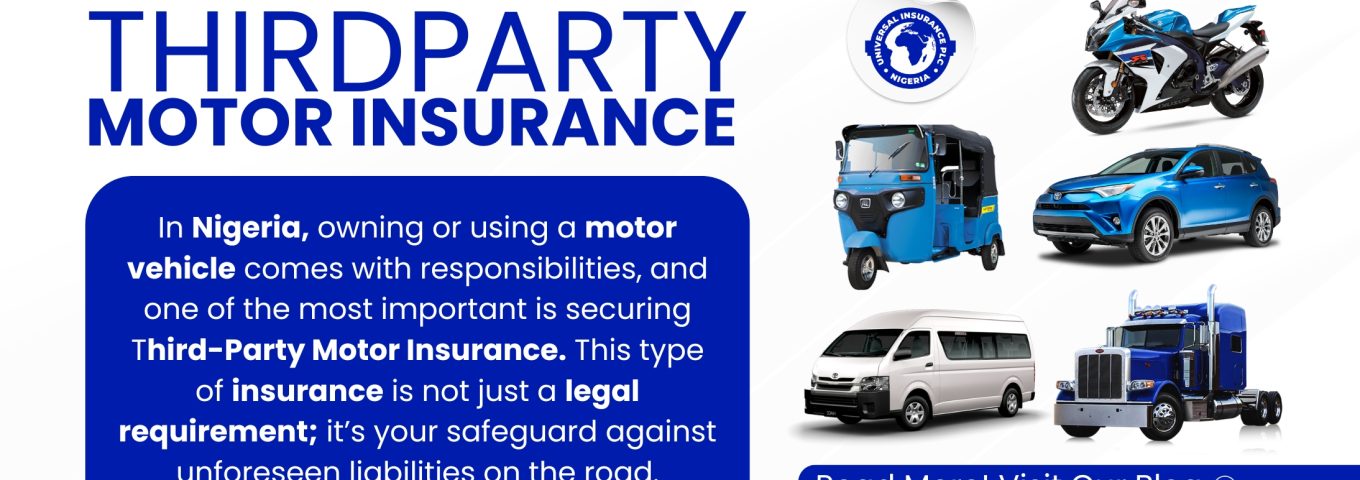
Third-party motor insurance—mandated under the Motor Vehicles (Third Party Insurance) Act of 1950—remains the most basic form of cover required for all motorists. It provides compensation for injury, death, or damage caused to other road users. Despite this legal backing, market penetration has remained low, hovering between 2.8% and 3% for over a decade.
In 2024, the National Insurance Commission (NAICOM), in collaboration with industry stakeholders, launched a nationwide campaign aimed at reawakening public interest in the policy. From awareness jingles and market roadshows to digital campaigns in local languages, the core message has been one of education and enforcement.
“Insurance is not a luxury—it is a necessity,” said the Commissioner for Insurance, Mr. Olusegun Ayo Omosehin. “Third-party motor insurance saves lives, protects property, and promotes peace of mind. We are taking steps to ensure every Nigerian understands its value and complies with the law.”
One of the key pillars of the campaign is the deployment of the Nigerian Insurance Industry Database (NIID), a real-time platform that allows motorists and law enforcement agents to verify the authenticity of insurance certificates. The Federal Road Safety Corps (FRSC) and Nigeria Police Force are now integrated with the NIID system, enabling instant identification of fake policies—a long-standing issue that has undermined public confidence in motor insurance.
Beyond enforcement, insurance providers are adopting digital tools to improve access and convenience. Several firms now offer mobile policy issuance, online renewal options, and flexible payment models targeted at low-income and young drivers.
Despite these efforts, industry analysts say the core challenge remains: restoring public trust and highlighting the real value of insurance.
For commercial driver Ifeanyi Okafor, a Lagos-based transporter, the message recently became clear. “I used to think third-party insurance was just a paper for the police. But last year, I saw how it covered medical bills for someone who was hit by a vehicle. Since then, I always make sure mine is genuine.”
Experts believe stories like Okafor’s must be amplified if the campaign is to gain momentum. Data from NAICOM suggests that with consistent education, technology adoption, and robust enforcement, penetration could reach 5% by the end of 2025.
Although previous awareness efforts have fallen short, stakeholders say the current approach feels different—more coordinated, data-driven, and action-oriented.
Whether these measures will translate into a significant rise in third-party motor insurance adoption remains to be seen. But for now, industry watchers agree: the renewed campaign is a step in the right direction—and perhaps this time, it won’t be much ado about nothing.
Stay informed, stay ahead with The Ameh News
Discover more from Ameh News
Subscribe to get the latest posts sent to your email.