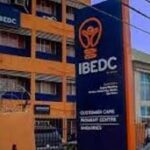
It was meant to be a straightforward debt recovery exercise, an asset sale to clean up a toxic loan. But what unfolded between United Bank for Africa Plc (UBA) and the Asset Management Corporation of Nigeria (AMCON) over the Ibadan Electricity Distribution Company (IBEDC) has turned into one of the most heated legal battles in Nigeria’s struggling power sector.
Last Thursday, AMCON’s Managing Director, Gbenga Alade, stood before reporters and announced what he believed was a done deal: the sale of a 60 per cent stake in IBEDC to Archlight Nigeria Limited for N100 billion. Frustrated with years of defaults and economic sabotage by debtors, AMCON presented the sale as part of its broader effort to stabilize the financial sector.
But within hours, UBA fired back, and what followed was not just a denial, it was a scathing rebuke.
A Dispute Beyond the Courtroom
UBA wasn’t just objecting to the sale, it was contesting the very process that led to it. At the heart of the dispute is a syndicated loan deal from 2013, when Nigeria privatised parts of its power sector. Back then, Integrated Energy Distribution and Marketing Limited (IEDM) acquired IBEDC’s majority stake using a $162.4 million facility from several banks, with UBA providing $35 million.
But when IEDM defaulted on the loan, AMCON stepped in. Instead of simply recovering the debt, UBA argues, AMCON took over as if it owned the asset, sidelined the other lenders, and proceeded with a hurried sale, one UBA claims was neither transparent nor lawful.
UBA insists that the entire matter is already before Justice Akintayo Aluko of the Federal High Court in Lagos. In fact, on July 3, both parties had been in court, alongside senior advocates Dr. Chika Agbu (SAN) and Babatunde Ogala (SAN). The next hearing is scheduled for October 2, 2025.
For UBA, AMCON’s decision to announce the sale publicly, while court proceedings are ongoing, wasn’t just premature, it was contemptuous.
The Bigger Picture: Transparency and Trust in Nigeria’s Financial Sector
Beyond the legal jargon and courtroom drama lies a deeper issue that has plagued Nigeria’s privatization efforts: trust.
UBA claims that AMCON sold IBEDC for a fraction of its true value, an alleged N100 billion deal for an asset UBA estimates to be worth over N1 trillion. Worse still, the bank says it was never shown a valuation report, a share purchase agreement, or even basic financial guarantees from the buyer, Archlight Nigeria Limited.
“If such a significant transaction can be concluded without consulting the lenders who funded the original purchase, what message does this send to investors and financial institutions?” a banking analyst told The Ameh News, speaking anonymously.
The bank also emphasized the growing financial risk it faces. The N70 billion exposure from IEDM’s default continues to accrue interest, deepening the hole in UBA’s books and, by extension, threatening depositors’ funds.
Reflections on a Troubled Sector
This is not the first time Nigeria’s power privatization has run into stormy waters. A decade after the ambitious effort to hand power assets to the private sector, the results remain mixed, crippling debts, liquidity shortfalls, and now, legal showdowns.
What makes this case particularly troubling is its potential to undermine the trust between lenders and government agencies tasked with managing distressed assets. If AMCON, the government’s own bad-debt vehicle, is seen to be bypassing contractual obligations and due process, what hope remains for transparent restructuring of other troubled assets?
Looking Ahead
UBA has filed for an interlocutory injunction to stop AMCON, Polaris Bank, and Archlight Nigeria Limited from taking further steps on the divestment until the case is resolved. All eyes now turn to October, when the Federal High Court is expected to weigh in on the matter.
Yet beyond the courtroom, the real question lingers: Can Nigeria build an energy sector ‘and a financial system’ where accountability, transparency, and due process guide major transactions? Or will these disputes continue to cast a shadow over the country’s investment climate?
As Nigeria pushes for economic growth and energy reform, how it resolves cases like this one could shape the nation’s business environment for years to come.
© 2025 The Ameh News: All rights reserved.
Discover more from Ameh News
Subscribe to get the latest posts sent to your email.