……..Seeks Road Construction Integration for Broadband Protection
 As Nigeria accelerates its national infrastructure development drive, a critical warning has emerged from the Nigerian Communications Commission (NCC): protect the lifelines of the digital economy , or risk crippling nationwide connectivity.
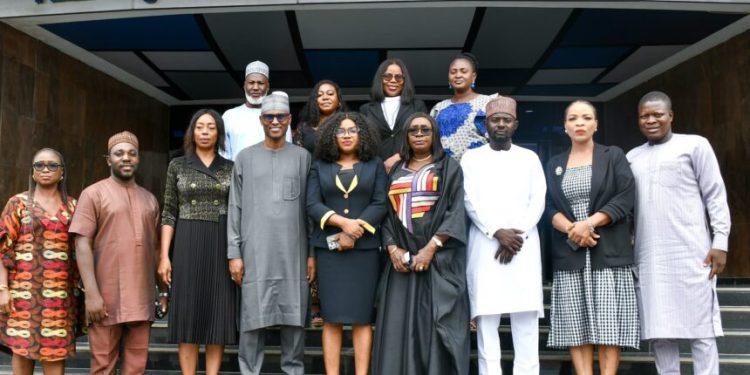
In a strategic meeting with the Nigeria Union of Journalists (NUJ), Federal Capital Territory Council, held at the NCC headquarters in Abuja, the Commission’s leadership underscored a growing concern, broadband infrastructure is being routinely damaged or destroyed by road construction and poor urban planning.
Mrs. Nnenna Ukoha, Head of Public Affairs at the NCC, who represented the Executive Vice Chairman and Chief Executive Officer, Dr. Aminu Maida, gave a frank assessment of the situation. She didn’t mince words. The lack of foresight in national construction planning, she explained, is causing repeated and costly damages to underground fibre cables, telecom towers, and critical components.
And the implications are not merely technical, they are economic and national security concerns.
“Plan the Roads, Save the Networks”
In a tone both practical and urgent, Ukoha called for deliberate coordination between road construction planners and telecom operators. Her message was clear: every new road project , whether about to begin or already completed, must include provisions for broadband ducts and underground cable protection.
She added that those laying fibre cables today must do so with the future in mind, as Nigeria’s narrow roads will inevitably be widened.
“We must stop treating telecom infrastructure as an afterthought,” Ukoha said. “It’s time road expansion plans begin with broadband in mind, not as collateral damage.”
Operationalising the Executive Order
The renewed advocacy follows President Bola Ahmed Tinubu’s landmark Executive Order signed on June 24, 2024, designating telecom infrastructure as Critical National Information Infrastructure (CNII). Under this order, any interference, tampering, or damage to telecom assets is now a criminal offence.
Ukoha explained that the NCC is actively implementing this directive through enforcement, public education campaigns, and inter-agency collaboration.
The move could not have come at a more crucial time. Nigeria has witnessed a surge in telecom vandalism, infrastructure theft, and site obstruction, all of which degrade service quality for millions of mobile and internet users.
Three Core Threats to Nigeria’s Telecom Network
In her presentation, Ukoha identified three core threats undermining the telecom sector:
- Vandalism & Theft – Cables are cut, generators stolen, and components removed, leading to nationwide outages.
- Site Access Denial – Operators face obstruction from communities, touts, and even local authorities demanding illegal fees, delaying vital repairs.
- Construction-Related Damages – Roadworks often result in accidental cuts to fibre infrastructure due to lack of coordination with telecom firms.
Reflections on Public Trust and Data Misconceptions
Turning to widespread public suspicion about data depletion, Ukoha addressed a persistent myth, that telecom providers are “stealing” data.
“Mobile networks don’t steal data. What users experience is often caused by app settings like automatic updates, background app refresh, or sharing mobile hotspots,” she explained.
She offered practical advice: users should monitor data usage, disable auto-updates, avoid high-resolution streaming, and regularly update hotspot passwords to prevent data drain.
This moment of clarity reflects the NCC’s broader strategy, not just to regulate but to educate, guide, and reassure the public.
Strengthening the Media Partnership
The meeting wasn’t just about telecoms; it was a platform for partnership.
Ukoha commended the NUJ for its role in shaping public discourse, stressing that journalists remain crucial in spreading accurate information about the industry’s challenges and reforms. She revealed that the Commission is already training senior editors in Abuja and Lagos and is expanding efforts to improve digital access in underserved communities.
NCC’s Head of Corporate Communications, Mallam Yakubu Musa, also affirmed the importance of media collaboration, noting that consumer education and industry transparency hinge on a free and informed press.
NUJ’s Response: A Call for Collaboration
Earlier, NUJ FCT Chairman Comrade Grace Ike expressed the union’s desire to build a lasting relationship with the NCC, not just for coverage but for training, broadband access, and transparency. She praised the Commission’s role in stabilizing Nigeria’s telecom landscape and requested support for the Union’s forthcoming Press Week and journalist capacity-building programs.
“We need strong partnerships to equip our journalists with the right digital tools,” Ike stated.
Her words underscored the larger issue at hand, that digital connectivity is not just a sectoral concern; it is central to journalism, governance, business, and everyday life.
The Bigger Picture
As Nigeria inches closer to becoming a fully digital economy, the message from the NCC is loud and clear: telecom infrastructure must be protected at all costs. Road projects must be future-proofed, vandalism must be curbed, and the public must understand their role in preserving the networks they depend on daily.
The meeting was attended by senior NCC officials and media stakeholders, and it ended with a shared commitment: to protect, inform, and connect.
In an era defined by information and connectivity, the roads we build today must not pave over the cables that connect our future.
@2025 The Ameh News: All Rights Reserved
Discover more from Ameh News
Subscribe to get the latest posts sent to your email.