 When Nigeria’s mobile revolution began in the early 2000s, one network’s story stood out, not for its meteoric rise, but for its uncanny ability to survive storms that should have buried it. From its birth as Econet Wireless Nigeria in 2001 to its current form as 9mobile, this brand has been called many things. But perhaps the most fitting description is that of an abiku, the Igala Tribe term for a child who defies death against all odds.
Stage One: The Birth of a Telecom Dream (2001)
Econet Wireless Nigeria burst onto the scene as one of the first GSM operators licensed by the Nigerian government. With fanfare, high expectations, and a promise to democratize mobile communication, Econet planted its green flag in the hearts of millions. Yet, behind the scenes, boardroom battles and shareholder disputes began almost immediately.
Expert Take:
“Econet’s early years were a classic case of growing pains, rapid subscriber growth but internal fractures that made long-term stability difficult,” recalls telecom analyst Celestine Ukpong.
Stage Two: The Vodacom Mirage (2004)
In a dramatic twist, South Africa’s Vodacom briefly entered the picture, taking over management, only to exit in a matter of months after disagreements with local partners. The company seemed doomed, but it reemerged almost immediately.
Stage Three: The VMobile Era (2004–2006)
Rebranded as VMobile Nigeria, the brand pushed aggressive marketing campaigns and competitive pricing. Nigerians began to believe the worst was over. Still, lurking in the shadows were the same ownership disputes and financial strains.
Stage Four: The Celtel Lifeline (2006–2008)
In 2006, Celtel acquired a controlling stake, injecting fresh capital and stability. The red wave of Celtel branding swept across Nigeria, but not for long. A year later, Zain Group took over Celtel’s African operations, introducing yet another rebrand.
Stage Five: The Airtel Exodus (2010)
When Bharti Airtel acquired Zain Africa, the Nigerian operation seemed destined to settle under a stable, global parent. But legal disputes over ownership rights meant Airtel had to relinquish control of the Nigerian license, paving the way for a new chapter.
Stage Six: Etisalat’s Bold Entry (2011–2017)
The arrival of Etisalat UAE injected new life and global expertise. Nigerians welcomed the sleek branding, catchy adverts, and customer-first campaigns. But by 2017, mounting debt of over $1.2 billion led Etisalat UAE to withdraw, refusing to bail out the Nigerian arm.
Stage Seven: 9mobile’s Lone Fight (2017–Present)
Left in the hands of Nigerian stakeholders, the brand was reborn as 9mobile, its ninth life, perhaps. Many predicted collapse. Instead, 9mobile has continued to operate, leaner but determined, retaining a loyal base in a market dominated by MTN and Airtel.
Industry Reflection:
“9mobile is the telecom industry’s abiku, every time you think it’s gone, it comes back wearing a new face,” says, a business historian. “It’s a living lesson in resilience, brand reinvention, and the unpredictability of the Nigerian market.”
Today, 9mobile remains a smaller player, but its survival is a case study in corporate endurance. It has outlived predictions, multiple rebrands, shareholder wars, and even the exit of its founding and most powerful investors.
Like the mythical abiku, 9mobile’s story isn’t just about survival , it’s about the stubborn refusal to fade away.
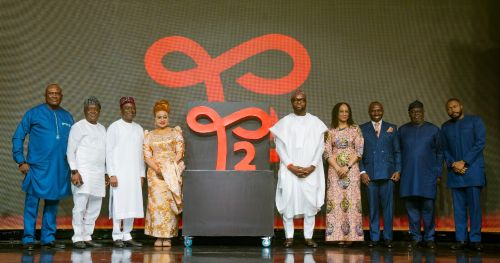
9mobile brand rebranded as T2 Terms Abiku
@2025 The Ameh News: All Rights Reserved
Discover more from Ameh News
Subscribe to get the latest posts sent to your email.