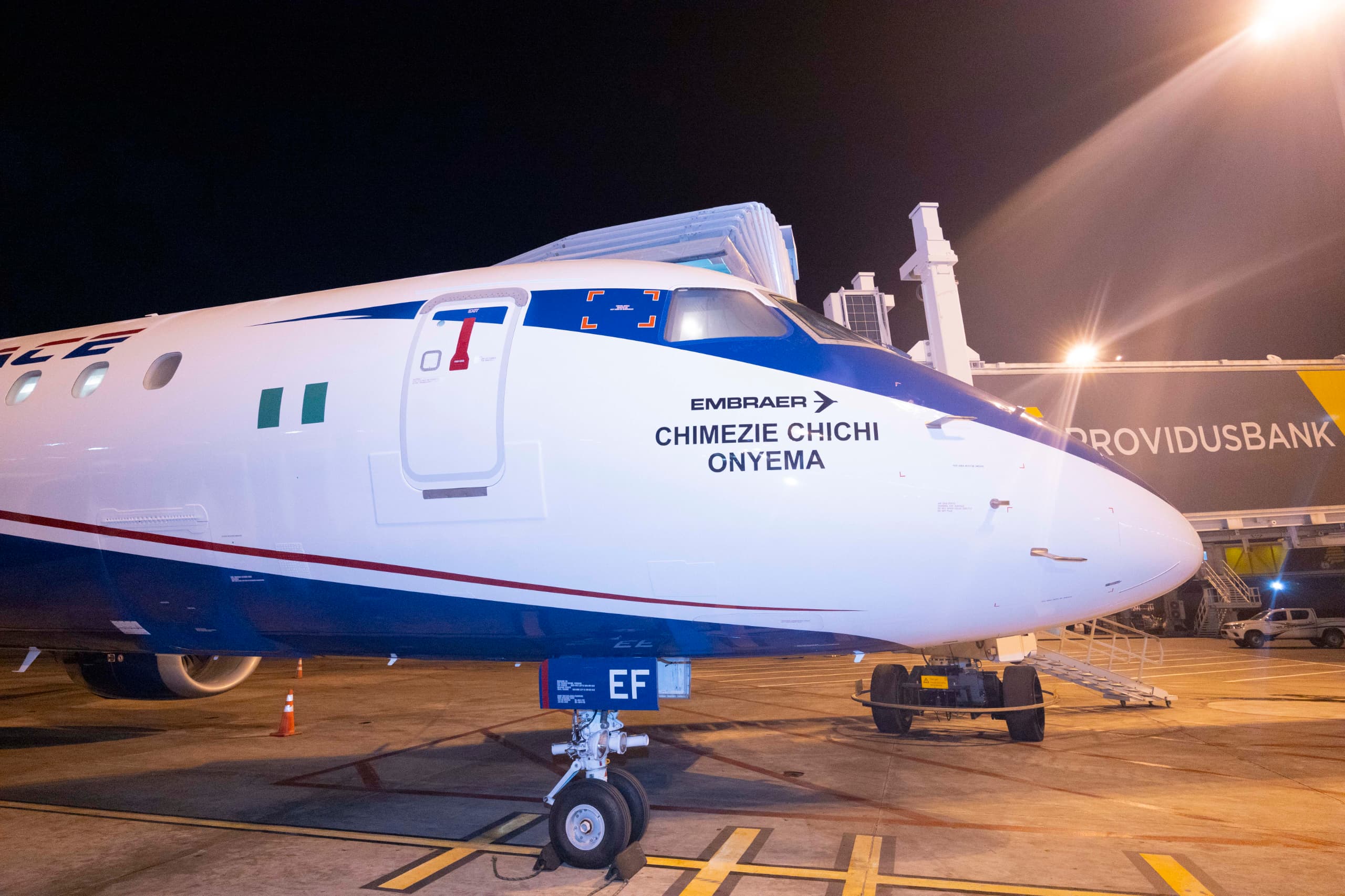
 As Air Peace deepens its regional footprint across West Africa, the airline’s strategy of supporting expansion with dry-leased aircraft has returned to the spotlight. From Accra and Dakar to Freetown and Banjul, the Nigerian carrier’s growing presence signals ambition, resilience and a desire to compete beyond domestic borders. Yet, beneath the expansion narrative lies a complex balance of cost, opportunity and risk—one that aviation experts and financial analysts say management must handle with precision.
Flashback: Why Regional Expansion Became Inevitable
Air Peace’s push beyond Nigeria did not occur in isolation. Years of high operating costs at home—driven by volatile aviation fuel prices, foreign exchange scarcity, multiple taxes and infrastructure bottlenecks—have squeezed airline margins. Regional operations, particularly within the ECOWAS corridor, offered a strategic alternative: access to stronger currencies, better yields and the chance to position Lagos as a regional hub.
However, global aircraft shortages, delayed manufacturer deliveries and the need for flexible capacity forced Air Peace to increasingly rely on dry-leased aircraft, a trend seen across global aviation in the post-pandemic era.
The Cost Side: Economist’s Warning on Exposure
Reacting to the strategy, economist Celestine Ukpong notes that dry leasing, while operationally convenient, exposes Nigerian airlines to macroeconomic risks.
“Dry-leased aircraft come with dollar-denominated obligations, and in a country like Nigeria where forex access is uncertain, this can quickly strain cash flow,” Ukpong said. “Regional expansion only makes economic sense if foreign currency revenues are strong enough to offset lease rentals, maintenance costs and operational disruptions.”
He added that maintenance responsibility under dry leases poses an additional burden. “Limited local MRO capacity means airlines may face longer aircraft downtime and higher overseas maintenance bills, which can undermine route profitability if not carefully managed.”
Financial Discipline: Peter Adebayo FCA on Balance Sheet Risk
From a financial governance perspective, Peter Adebayo, FCA, stressed that regional expansion must be matched with strict cost controls and fleet discipline.
“Dry leasing is useful for flexibility, especially when testing new routes, but it should not become a permanent substitute for a long-term fleet strategy,” Adebayo explained. “Lease liabilities, crew training costs and maintenance reserves must be transparently managed to avoid balance sheet stress.”
According to him, fleet commonality remains critical. “Operating too many aircraft variants increases training and maintenance costs. For Air Peace, consolidation around fewer aircraft types will improve efficiency and investor confidence.”
The Strategic Upside: Why Expansion Still Matters
Despite the concerns, both experts agree that regional expansion offers clear benefits when executed strategically. Regional routes allow airlines to earn in stronger currencies, improve aircraft utilisation and reduce over-dependence on the domestic market.
Ukpong observed that “regional expansion aligns with Africa’s broader integration agenda under AfCFTA, and Nigerian airlines like Air Peace are well-positioned to capture intra-African traffic currently dominated by foreign carriers.”
Adebayo added that regional scale strengthens negotiating power. “With a wider network, airlines gain leverage with lessors, airports and service providers, which can ultimately lower unit costs.”
Reflection: A Defining Moment for Air Peace Management
As Air Peace balances ambition with operational realities, analysts say the focus must now shift from rapid expansion to sustainable consolidation. Route performance, fleet optimisation and financial resilience will determine whether regional growth becomes a long-term success or a costly overreach.
“The opportunity is there,” Ukpong concluded, “but growth must be supported by economic discipline and realistic forecasting.”
For Adebayo, the message is clear: “Regional leadership is achievable, but only if expansion is backed by strong governance, predictable cash flows and a clear transition plan beyond heavy reliance on dry-leased aircraft.”
Air Peace’s regional expansion reflects the airline’s bold vision to redefine Nigerian aviation on the continental stage. Yet, as expert voices suggest, the true test lies in managing the costs of dry leasing while capturing the strategic benefits of scale, currency diversification and regional influence. For management, the next phase will determine whether ambition translates into enduring market leadership.
Air Peace’s regional expansion strategy underpinned by dry-leased aircraft draws expert reactions from economist Celestine Ukpong and financial analyst Peter Adebayo FCA, highlighting the costs, risks and long-term benefits for Nigerian aviation.
Discover more from Ameh News
Subscribe to get the latest posts sent to your email.