 The Managing Director/Chief Executive of NAMA, Engr. Farouk Ahmed Umar
Nigeria’s aviation sector received a strong vote of confidence on Wednesday as the Nigerian Airspace Management Agency (NAMA) reaffirmed its commitment to building a safe, transparent, and investor-ready airspace system capable of supporting aircraft financing and leasing growth.
Speaking at the Nigeria Aircraft Acquisition and Investment Summit (NAAIS) 2026, the Managing Director/Chief Executive of NAMA, Engr. Farouk Ahmed Umar, declared that institutional strength, regulatory certainty, and operational efficiency are now central to Nigeria’s aviation transformation agenda.
The speech, delivered on his behalf by Rita Aigbadon, Director of Legal at NAMA, at the Federal Palace Hotel, highlighted ongoing reforms aimed at restoring investor confidence and unlocking capital into the aviation ecosystem.
Addressing a high-level audience that included government officials, global financiers, aircraft lessors, and aviation stakeholders, Umar stressed that the future of aviation in Nigeria depends on a clear alignment between capital, confidence, and credible institutions.
“No aviation system grows without capital. No capital comes without confidence. And no confidence exists without strong institutions,” he stated.
Airspace Stability as Investment Backbone
Umar positioned NAMA as a critical enabler of aviation investment, noting that the success of aircraft acquisition and leasing arrangements hinges on a safe, efficient, and predictable air navigation system.
He explained that beyond air traffic management, NAMA provides the operational certainty required for airlines to plan effectively and for investors to commit funds with reduced risk exposure.
“Safety is not just a regulatory requirement—it is an economic enabler,” he emphasised, noting that investor decisions are increasingly tied to system reliability.
Legal Certainty and Institutional Reforms
A major highlight of the address was the emphasis on strengthening legal and regulatory frameworks—an area reinforced by Aigbadon’s role as chief legal officer of the agency.
Umar disclosed that Nigeria is aligning its aviation systems with global standards set by the International Civil Aviation Organization (ICAO), while also improving regulatory clarity, enforcement mechanisms, and institutional coordination.
He acknowledged that past inconsistencies created uncertainty for investors but assured stakeholders that deliberate reforms are now addressing those gaps.
“Predictability, enforceability, and data integrity are no longer aspirational. They are becoming operational realities within the Nigerian aviation system,” he said.
Infrastructure Modernisation Gains Momentum
The NAMA boss further revealed that the agency is undertaking significant upgrades across Nigeria’s airspace infrastructure, including enhanced surveillance systems, modern communication architecture, and expanded navigation capabilities.
He noted that digital transformation is also underway, with the integration of real-time monitoring systems, automation, and data-driven decision-making processes.
According to him, these investments signal that Nigeria is evolving into a dynamic aviation market capable of supporting long-term capital inflows.
Human Capital Development at the Core
Umar underscored the importance of skilled manpower in sustaining aviation safety, noting that NAMA continues to invest heavily in the training and certification of air traffic controllers, engineers, and technical personnel.
He assured investors that the agency is building a workforce defined by competence, discipline, and accountability—key pillars required to manage high-value aviation assets.
Cross-Sector Collaboration to Reduce Risk
Recognising aviation’s growing link with other industries, particularly oil and gas logistics, Umar disclosed that NAMA is strengthening coordination with critical institutions such as the Nigerian Upstream Petroleum Regulatory Commission.
He explained that improved inter-agency collaboration is essential to eliminating regulatory fragmentation and reducing systemic risks that could discourage investment.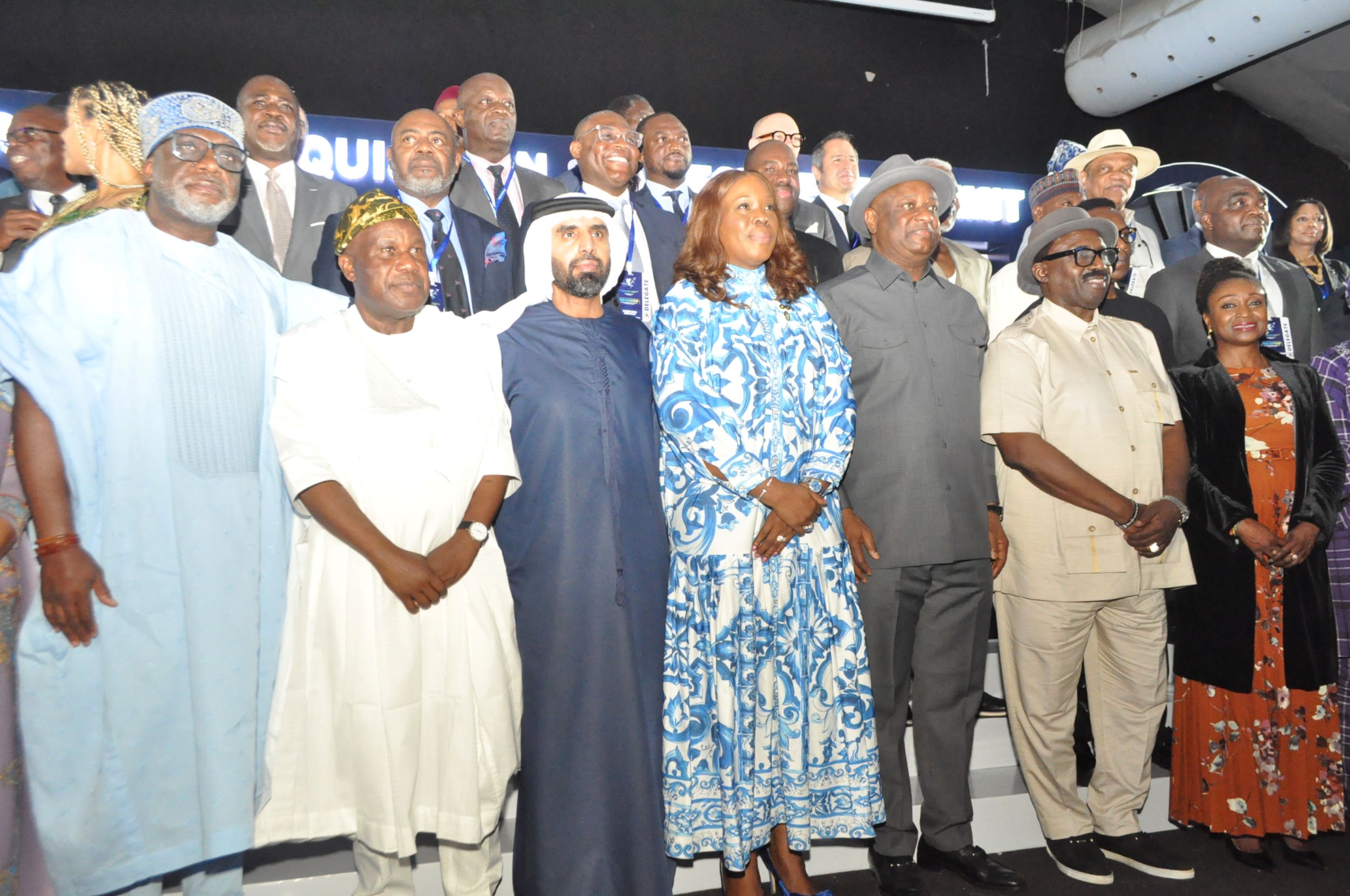 Nigeria’s Untapped Aviation Potential
In a direct pitch to investors, Umar described Nigeria as one of Africa’s most promising untapped aviation markets, driven by rising passenger traffic and expanding regional connectivity.
However, he cautioned that opportunity must be matched with strong institutional assurance.
He assured stakeholders that NAMA and its partners are committed to enforcing compliance, strengthening oversight, and reviewing arrangements that do not align with national interest or operational efficiency.
From Dialogue to Action
Umar called on participants to move beyond discussions and develop structured, bankable partnerships that will translate into tangible outcomes, including aircraft acquisitions and expanded airline operations.
“As regulators and service providers, we are ready to facilitate, but we will insist on standards. Growth without structure creates instability,” he warned.
Building a Sustainable Aviation Future
In his closing remarks, Umar challenged stakeholders to consider the sustainability of Nigeria’s aviation system in supporting long-term investments.
He expressed confidence that ongoing reforms, infrastructure upgrades, and institutional strengthening will ensure consistent reliability.
The NAAIS 2026 summit is widely seen as a strategic platform to reposition Nigeria as a leading aviation investment destination in Africa, with NAMA playing a central role in shaping that trajectory.
NAMA assures global investors of stronger legal frameworks, improved airspace infrastructure, and enhanced safety systems to drive aircraft financing and aviation growth in Nigeria at NAAIS 2026.
Nigeria’s NAMA highlights reforms, legal certainty, and airspace modernisation at NAAIS 2026, positioning the country as a key aviation investment hub in Africa.
Discover more from Ameh News
Subscribe to get the latest posts sent to your email.