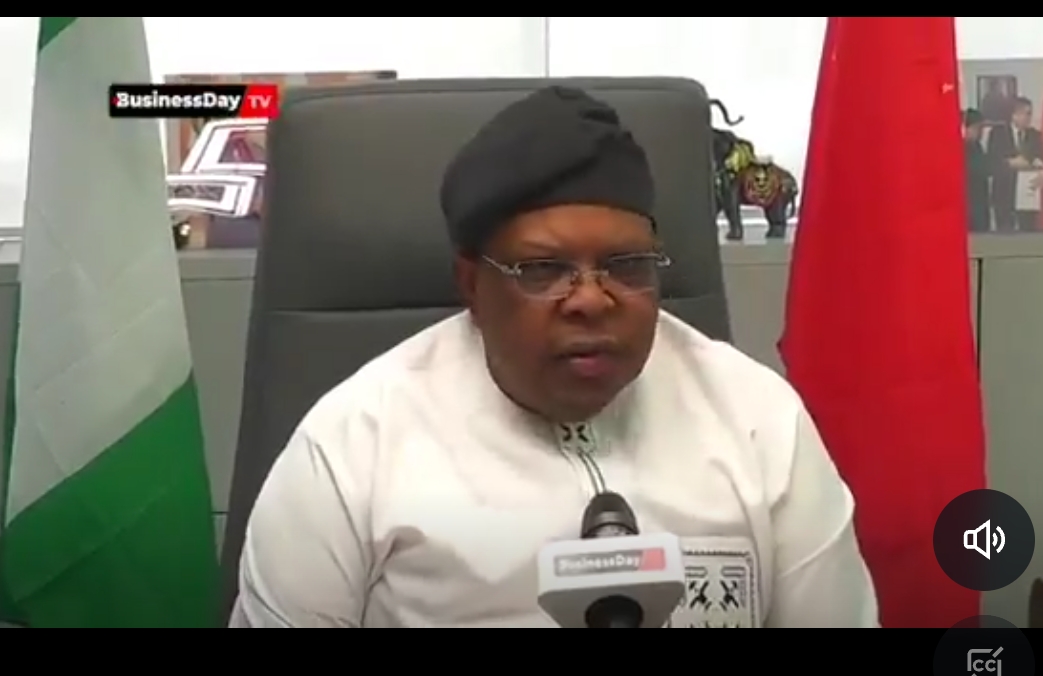
 Nigeria’s push for economic transformation under President Bola Ahmed Tinubu is gaining renewed momentum, as Director-General of the Nigeria–China Strategic Partnership, Joseph Tegbe, outlined a bold framework anchored on agro-industrial expansion and heavy industry revival.
The initiatives, disclosed through presidential spokesman Bayo Onanuga, include the rollout of large-scale poultry projects across the six geo-political zones and renewed commitment to resuscitate the long-dormant Ajaokuta Steel Company—two pillars seen as critical to Nigeria’s industrial rebirth.
According to Tegbe, the poultry programme is designed to transform Nigeria into a major hub for protein production, reduce food import dependence, and stimulate rural economies. The zonal structure is expected to decentralise production, enhance supply chains, and create thousands of direct and indirect jobs.
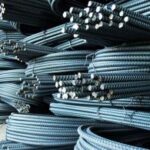
The Ajaokuta revival, on the other hand, is positioned as a strategic industrial catalyst. Once operational, the steel complex is expected to support infrastructure development, local manufacturing, and reduce Nigeria’s reliance on imported steel—an issue that has long constrained industrial growth.
The initiatives are part of a broader Nigeria–China cooperation framework aimed at attracting investment, technology transfer, and infrastructure financing to accelerate economic diversification.
Experts React: Cautious Optimism, Structural Concerns
Reacting to the development, economist Celestine Ukpong described the programmes as “ambitious but necessary,” noting that Nigeria must transition from a consumption-driven to a production-led economy.
Ukpong emphasised that while the poultry initiative could quickly deliver impact in terms of food security and employment, its success would depend heavily on execution discipline, access to financing, and stable policy direction.
“We’ve seen similar programmes in the past fail due to weak implementation frameworks. This time, the government must ensure private sector participation and transparent governance,” he noted.
From a communications and perception standpoint, Dr Ejike Nduilo, Founder of Henryjvaleens, stressed the importance of credibility and public trust in driving investor confidence.
Nduilo argued that beyond policy announcements, consistent communication of milestones and measurable progress would be critical to sustaining both domestic and international interest.
“Nigeria has announced big visions before. What will differentiate this administration is its ability to communicate results, not just intentions. Strategic storytelling backed by verifiable outcomes will attract investors,” he said.
Meanwhile, financial expert and chartered accountant Peter Adebayo highlighted the fiscal implications of the projects, urging the government to adopt sustainable financing models.
According to Adebayo, partnerships with China must be structured in a way that avoids excessive debt exposure while ensuring value for money.
“Ajaokuta, in particular, requires significant capital. The financing model must be transparent, commercially viable, and structured to deliver returns without overburdening public finances,” he warned.
A Defining Moment for Nigeria’s Industrial Future
Analysts broadly agree that the combination of agro-industrial expansion and steel sector revival signals a deliberate shift in Nigeria’s economic strategy—one that prioritises domestic production, value addition, and global competitiveness.
However, they caution that execution remains the ultimate test. From infrastructure readiness and regulatory consistency to funding structures and stakeholder alignment, the success of these initiatives will depend on how effectively policy is translated into action.
If successfully implemented, the Nigeria–China strategic partnership could mark a turning point—transforming long-standing economic potential into tangible growth, jobs, and industrial capacity.
Nigeria unveils ambitious poultry and steel revival plans under its China partnership as experts weigh in on execution risks, financing, and economic impact.
Experts react as Joseph Tegbe outlines Tinubu’s Nigeria–China strategy featuring poultry mega-projects and Ajaokuta revival, highlighting opportunities and execution challenges.
Discover more from Ameh News
Subscribe to get the latest posts sent to your email.