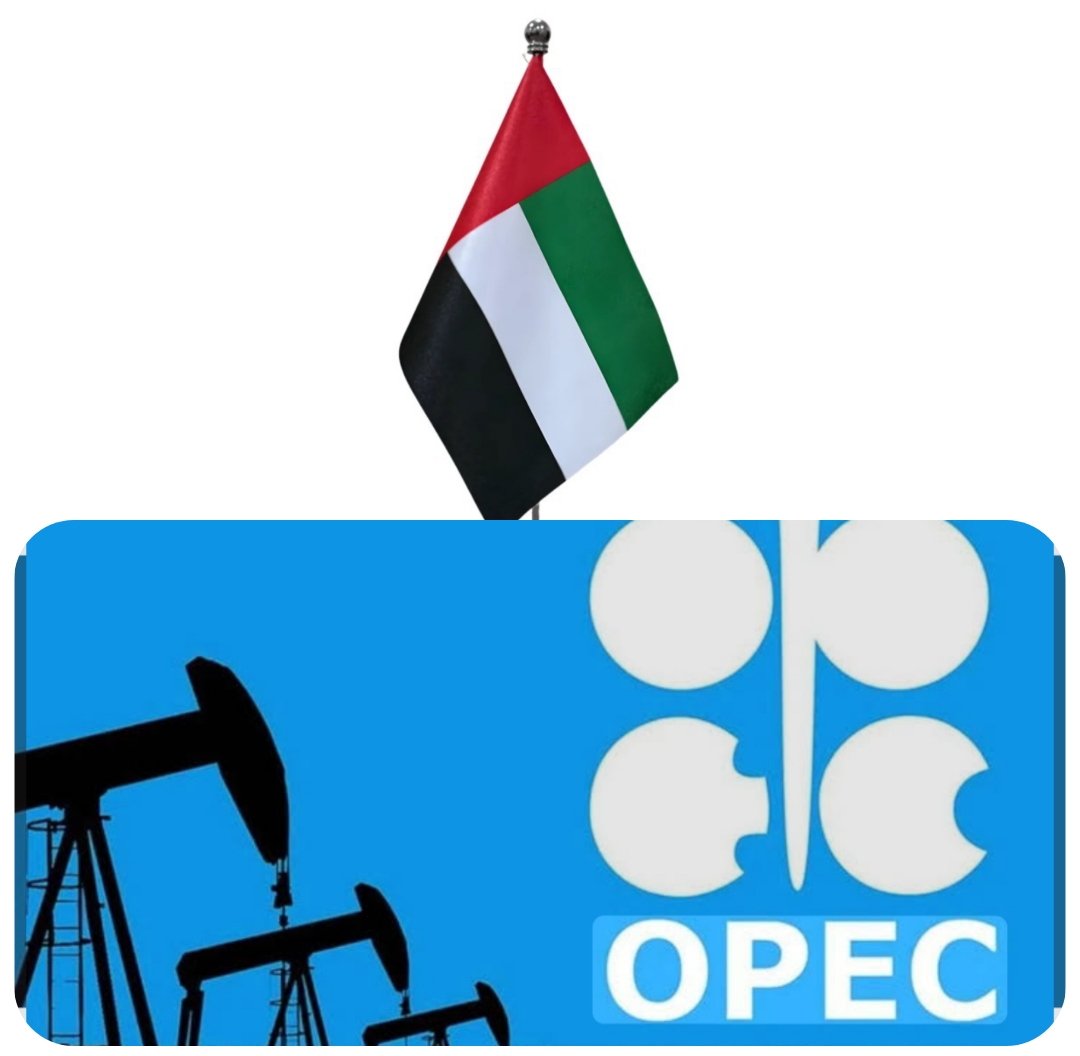
 The global energy landscape is heading for a major realignment as the United Arab Emirates prepares to exit the Organisation of the Petroleum Exporting Countries on May 1, 2026, bringing an end to 59 years of membership in one of the world’s most influential oil alliances.
The decision, confirmed by UAE officials, marks one of the most significant structural changes in OPEC’s modern history. The Gulf nation, which has long been a key producer within the group since joining in 1967, said the move reflects its need for greater flexibility in shaping its oil production strategy in line with evolving national priorities and global market realities.
UAE Energy Minister Suhail Mohamed al-Mazrouei explained that the decision followed a comprehensive review of the country’s long-term energy direction. He emphasised that the UAE’s focus is shifting toward optimising its hydrocarbon resources while balancing broader economic diversification goals.
The announcement comes at a highly sensitive moment for global oil markets. Geopolitical tensions in the Middle East remain elevated, particularly the ongoing Iran-related conflict and disruptions linked to the strategic Strait of Hormuz—a critical passage through which a significant portion of the world’s crude oil supply flows.
Against this backdrop, the UAE’s exit is expected to remove one of OPEC’s most reliable sources of spare production capacity. This capacity has historically played a stabilising role during periods of supply disruption, helping to balance global prices.
Market analysts warn that the departure could weaken OPEC’s ability to enforce production quotas and maintain internal cohesion among remaining members. The cartel’s influence has traditionally depended on coordinated output decisions, but the loss of a major producer may complicate future negotiations and policy alignment.
There are also growing concerns that the UAE’s decision could set a precedent for other oil-producing nations seeking more independent control over production and pricing strategies. If replicated, such moves could gradually erode the collective influence OPEC has maintained over global oil markets for decades.
In the immediate term, oil traders are expected to closely watch price movements as markets adjust to the anticipated shift in supply dynamics. Increased volatility is widely expected, particularly given existing geopolitical risks and constrained global spare capacity.
For oil-importing and oil-exporting economies alike, the implications are mixed. While short-term price increases could benefit producers, prolonged instability may disrupt fiscal planning, energy investments, and broader macroeconomic stability in vulnerable economies.
As the May 1 exit date approaches, attention is now focused on how OPEC will respond to maintain relevance in a rapidly changing energy order—and whether this historic departure signals the beginning of a more fragmented global oil system.
UAE to exit OPEC on May 1 after 59 years, raising concerns over global oil supply stability, pricing volatility, and the future of coordinated production among oil-producing nations.
Discover more from Ameh News
Subscribe to get the latest posts sent to your email.