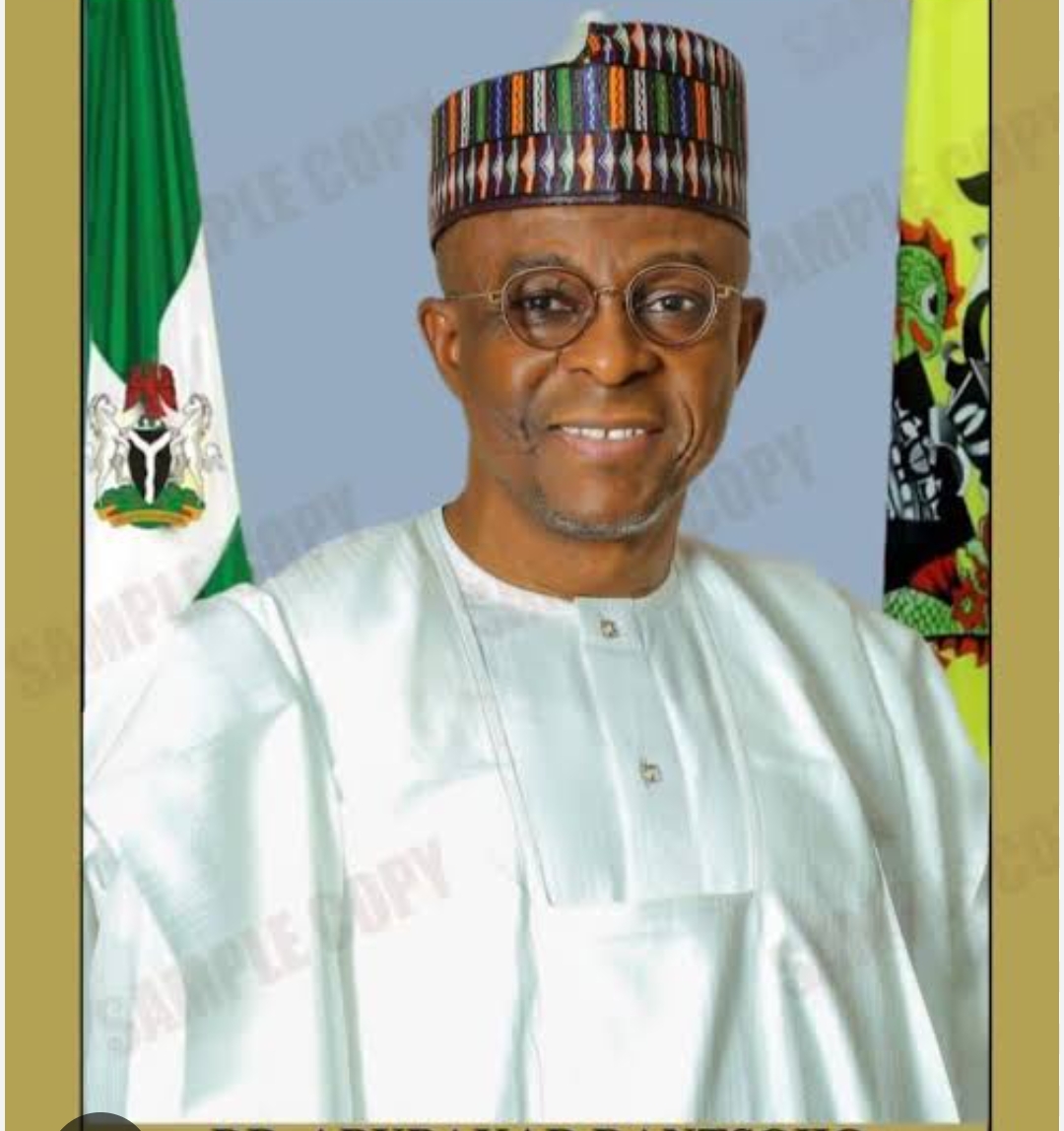
 The Managing Director of the Nigerian Ports Authority (NPA), Dr Abubakar Dantsoho, has renewed calls for accelerated port modernisation, describing it as a critical foundation for Nigeria’s success under the African Continental Free Trade Area (AfCFTA).
Speaking at the AMJON 2026 Annual Conference held on Thursday at Rockview Hotel Apapa, with the theme “Attaining Port Efficiency in the Face of Emerging Technology,” Dantsoho stressed that Nigeria’s port system must evolve rapidly to remain competitive in a changing global trade environment.
He noted that while Nigeria enjoys a strategic geographic advantage as a maritime gateway to West and Central Africa, that advantage can only translate into real economic gains if matched with efficient, technology-driven and reliable port operations.
“Port modernisation is not merely an infrastructure project; it is a national economic priority,” he stated, emphasising that efficiency, innovation, and reliability will determine Nigeria’s standing in them.
Dantsoho outlined ongoing reforms at the NPA, including major infrastructure upgrades at the Apapa and Tin Can Island ports aimed at expanding cargo handling capacity, improving berth productivity, and reducing vessel turnaround time.
He also pointed to the growing role of new maritime assets such as the Lekki Deep Sea Port, which he said is significantly boosting Nigeria’s trade capabilities and positioning the country for larger vessel traffic and increased cargo throughput.
On digital transformation, the NPA boss disclosed that the Authority is advancing the Port Community System while also supporting the implementation of the National Single Window initiative. According to him, these platforms will deepen stakeholder integration, reduce bureaucratic delays, and improve transparency across the cargo clearance process.
He further highlighted improvements in operational efficiency, including efforts to reduce cargo dwell time, speed up clearance procedures, and enhance multimodal connectivity through rail links, inland dry ports, barging systems, and export corridors.
Dantsoho added that the Authority is actively engaging the private sector to attract investment and strengthen strategic partnerships that will ensure long-term sustainability and competitiveness in the maritime industry.
He expressed confidence that the ongoing reforms will deliver measurable outcomes, including faster port operations, reduced logistics costs, higher trade volumes, and improved government revenue generation. He also noted that the initiatives would stimulate job creation, strengthen export competitiveness, and support Nigeria’s broader economic diversification agenda.
With sustained collaboration among stakeholders, Dantsoho concluded that Nigerian ports are on track to become a preferred trade gateway in West Africa and a major driver of regional commerce under AfCFTA.
Discover more from Ameh News
Subscribe to get the latest posts sent to your email.