 The Nigeria Police Force has reaffirmed its resolve to safeguard Nigeria’s waterways, unveiling a multi-layered strategy anchored on inter-agency collaboration, advanced technology, and strict enforcement of safety regulations.
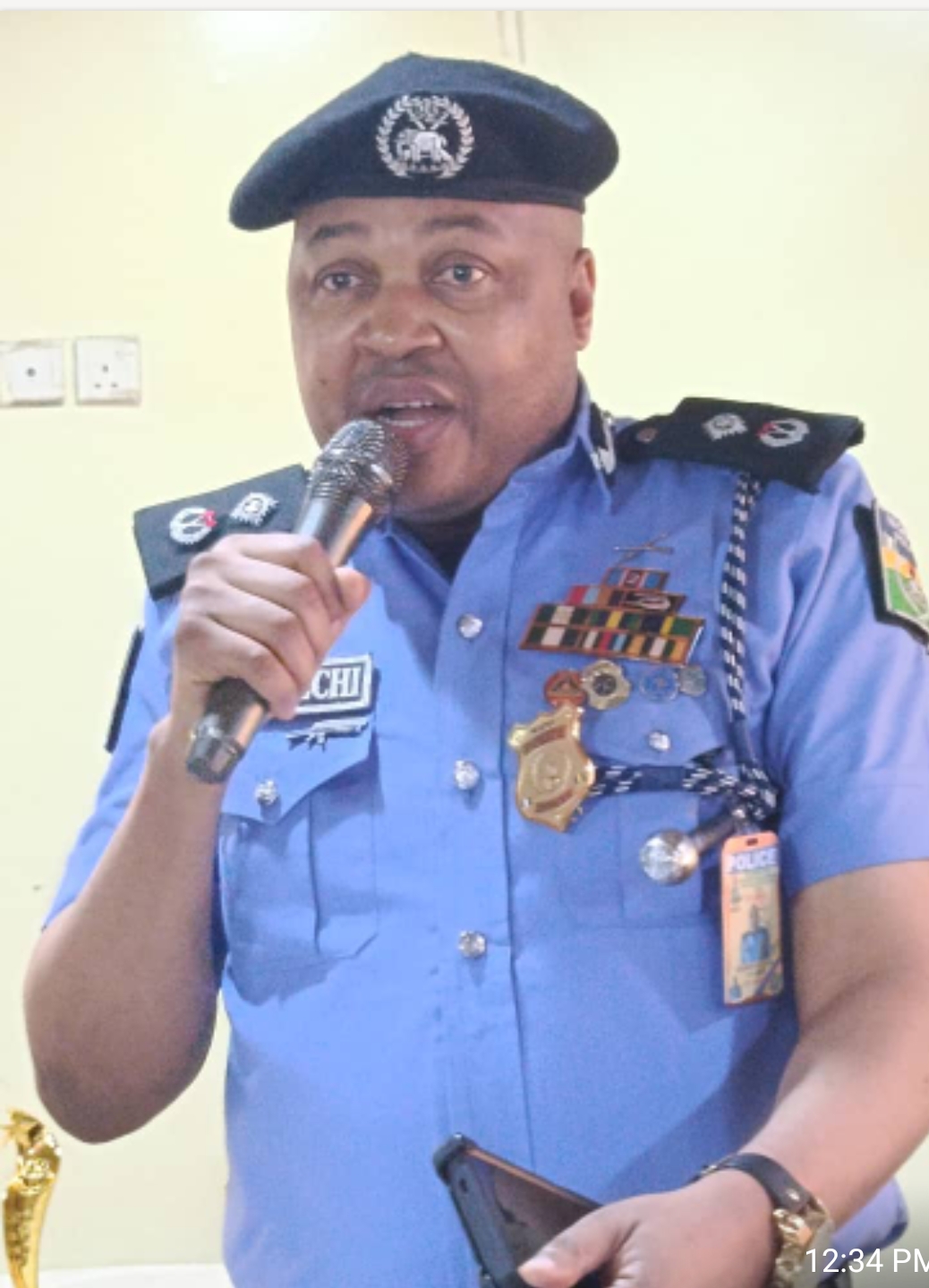
This renewed commitment was highlighted at the Annual Conference of the Association of Maritime Journalists of Nigeria (AMJON), held at Rockview Apapa, on April 30, 2026, Lagos where a representative of the Assistant Inspector-General of Police, Maritime Police Command, DCP Udu Moses Ogechi, stressed the growing importance of securing the nation’s aquatic corridors.
According to him, Nigeria’s rivers, creeks, lagoons, and coastal routes remain central to commerce, transportation, and livelihoods, but are increasingly exposed to threats ranging from piracy to illegal trafficking. He described these waterways as strategic national assets whose protection is critical to economic stability and growth.
To address these challenges, the Maritime Police Command has deepened operational collaboration with key stakeholders, notably the Nigerian Navy and the National Inland Waterways Authority (NIWA). The synergy, he said, has strengthened intelligence-led operations and enhanced the training capacity of Marine Police personnel, positioning them for more effective response to maritime crimes.
He revealed that the Federal Government has also stepped up support through strategic investments in maritime security infrastructure. Central to this effort is the deployment of 31 gunboats fitted with modern navigation and communication systems, significantly boosting patrol coverage and rapid response capabilities across critical waterways.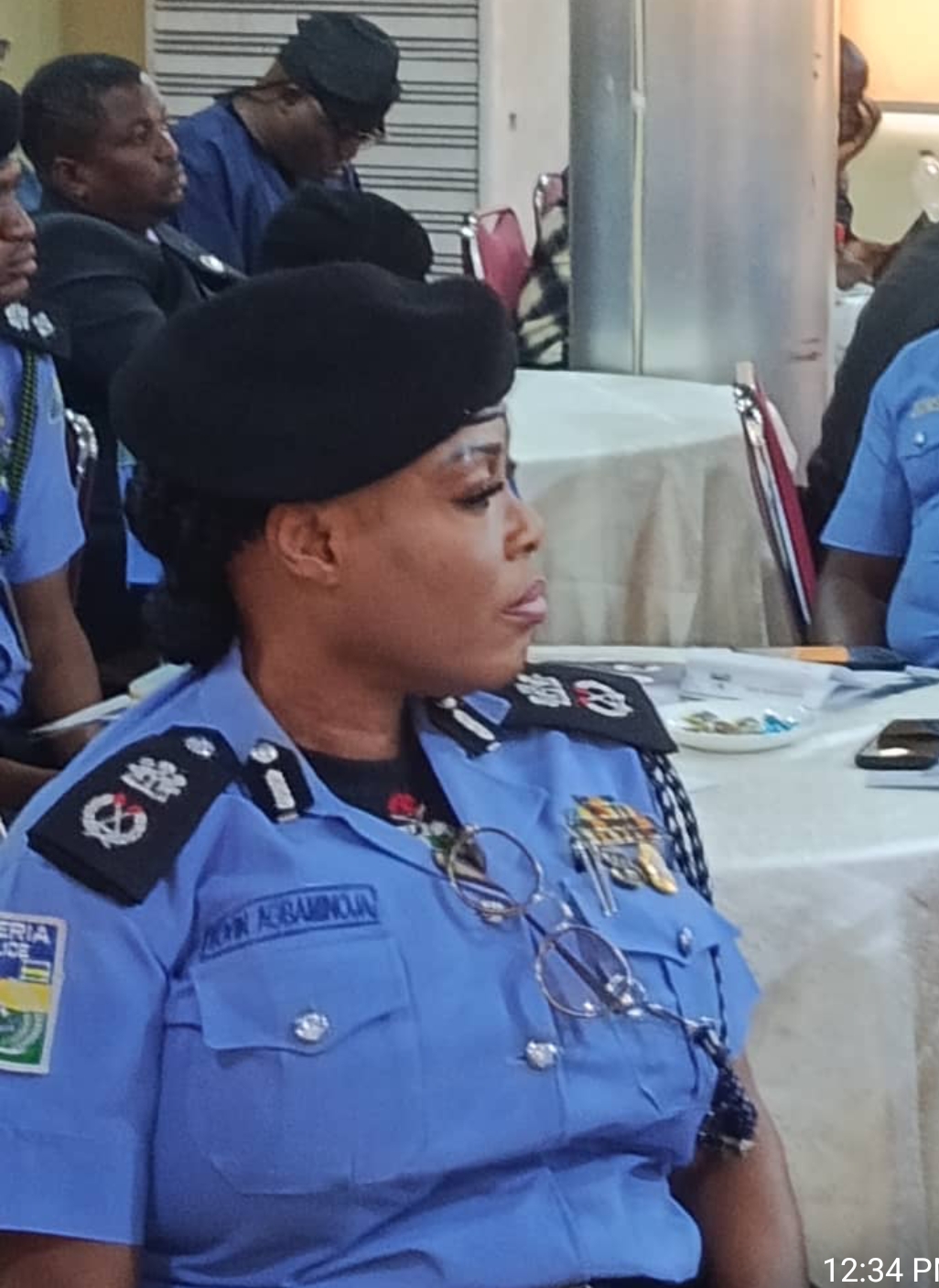
A major technological milestone, he noted, is the activation of the Lagos CCTV Surveillance Centre in January 2026. The facility provides real-time monitoring of key infrastructure, including waterways around the Third Mainland Bridge, enabling quicker detection and prevention of criminal activities.
On the regulatory front, the police commended NIWA for tightening safety enforcement through measures such as the introduction of water marshals at jetties and the strict implementation of the Inland Waterways Transportation Code. The regulations mandate life jacket usage, proper licensing of boat operators, and adherence to approved loading points.
Despite these gains, DCP Ogechi acknowledged persistent challenges, including kidnapping, accidents caused by operator negligence, and the activities of illegal transport operators. He called for increased public cooperation, emphasising that compliance with safety protocols remains crucial.
“Passengers and operators must take responsibility by adhering to safety guidelines, especially the use of life jackets and the patronage of authorised jetties,” he stated.
Reaffirming the Force’s long-term commitment, he assured that under the leadership of the Inspector-General of Police, maritime security will remain a top priority, given its direct impact on national safety and economic development.
The renewed push signals a decisive effort by authorities to secure Nigeria’s waterways, restore public confidence, and protect a critical pillar of the nation’s economy.
Discover more from Ameh News
Subscribe to get the latest posts sent to your email.