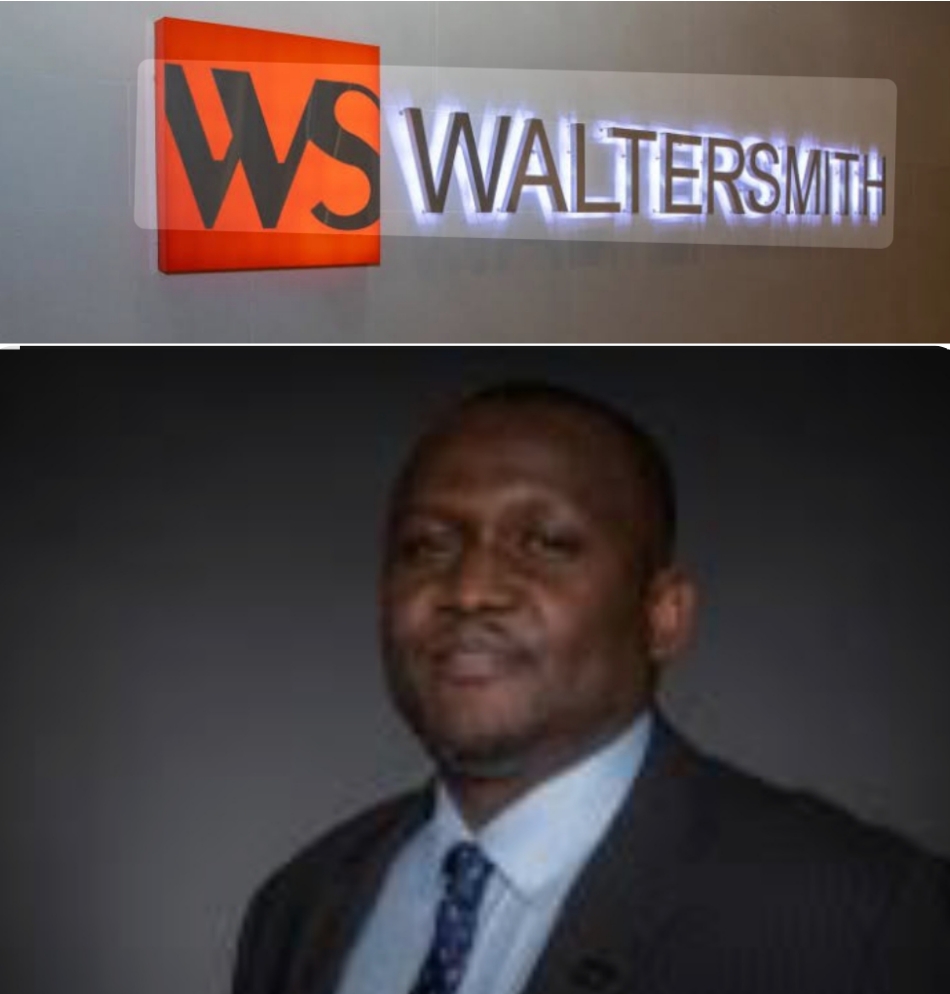
 NEW CEO WALTERSMITH PETROMAN OIL LIMITED, MR OLADAPO FILANI
Nigeria’s ambition to end decades of dependence on imported petroleum products is gathering pace as Waltersmith Petroman Oil Limited steps into petrol production, marking a pivotal shift in the country’s refining ecosystem.
The indigenous oil firm has doubled the capacity of its refinery located in Ibigwe, Imo State, from 5,000 barrels per day (bpd) to 10,000 bpd following the successful completion of its Phase 2 expansion project. The upgrade signals a transition from limited modular refining to a more commercially competitive operation capable of supplying critical fuel products to the domestic market.
With the expansion, Waltersmith is set to commence the production of Premium Motor Spirit (PMS), widely known as petrol, alongside Aviation Turbine Kerosene (ATK). This development broadens the refinery’s output beyond earlier products and positions it to serve both Nigeria’s road transport and aviation sectors—two high-demand segments that have historically relied heavily on imports.
Energy analysts say the move reinforces Nigeria’s strategic push toward local refining, value addition, and energy security, especially at a time when foreign exchange pressures continue to impact fuel importation.
Regulatory Clearance Nears
The refinery’s readiness for full commercial operations is currently undergoing final regulatory scrutiny by the Nigerian Midstream and Downstream Petroleum Regulatory Authority in collaboration with the Nigerian Content Development and Monitoring Board.
During a recent inspection visit to the facility, the former NMDPRA Chief Executive, Engr. Saidu Mohammed, expressed satisfaction with the level of compliance and operational preparedness observed at the plant. He described the project as a strong testament to the growing technical and investment capacity of Nigerian companies in the oil and gas midstream sector.
Industry insiders indicate that the issuance of a Licence to Operate (LTO) is imminent, paving the way for Waltersmith’s full-scale entry into the petrol market.
Industrialisation Beyond Refining
Chairman of Waltersmith, Abdulrazaq Isa, emphasised that the expansion represents more than an increase in refining capacity. According to him, it is part of a broader strategy aimed at repositioning Nigeria from a crude oil export-dependent economy to one driven by industrialisation and value creation.
He disclosed plans for the development of the Waltersmith Industrial and Innovation Park, a Free Trade Zone anchored on gas-to-power infrastructure. The proposed hub is expected to attract petrochemical, manufacturing, and energy-based investments, aligning with Nigeria’s “Decade of Gas” agenda.
“This is about building an integrated energy and industrial ecosystem that creates jobs, drives innovation, and supports long-term economic growth,” Isa noted.
Strategic Partnerships Power Expansion
The refinery’s growth has been supported by strong institutional backing. The NCDMB holds a 30 per cent equity stake in the project, while financing has been provided by the Africa Finance Corporation and the Bank of Industry.
These partnerships have not only enhanced project execution but also strengthened local content development and job creation across the oil and gas value chain.
A Competitive Shift in Nigeria’s Refining Landscape
Waltersmith’s entry into petrol production comes at a time of heightened activity in Nigeria’s refining sector, with the Dangote Refinery—owned by Aliko Dangote—continuing to scale operations and expand capacity.
The emergence of multiple local refiners is expected to reshape market dynamics by increasing supply, fostering complementarity, and potentially stabilising fuel prices over time.
Experts believe that as more modular and large-scale refineries come on stream, Nigeria could significantly cut its fuel import bill, conserve foreign exchange, and strengthen its energy independence.
For a country long burdened by the paradox of exporting crude while importing refined products, Waltersmith’s latest milestone may signal the beginning of a new era—one defined by domestic capacity, industrial resilience, and a more competitive downstream oil sector.
Waltersmith Refinery expands capacity to 10,000bpd and begins petrol production, signalling increased team up with Dangote Refinery and boosting Nigeria’s push for energy independence.
The company doubles refinery capacity to 10,000bpd, launches petrol and aviation fuel production, and strengthens Nigeria’s drive toward local refining, energy security, and reduced fuel imports.
Discover more from Ameh News
Subscribe to get the latest posts sent to your email.