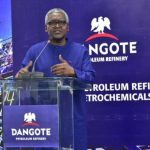
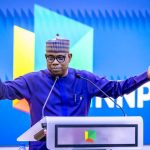
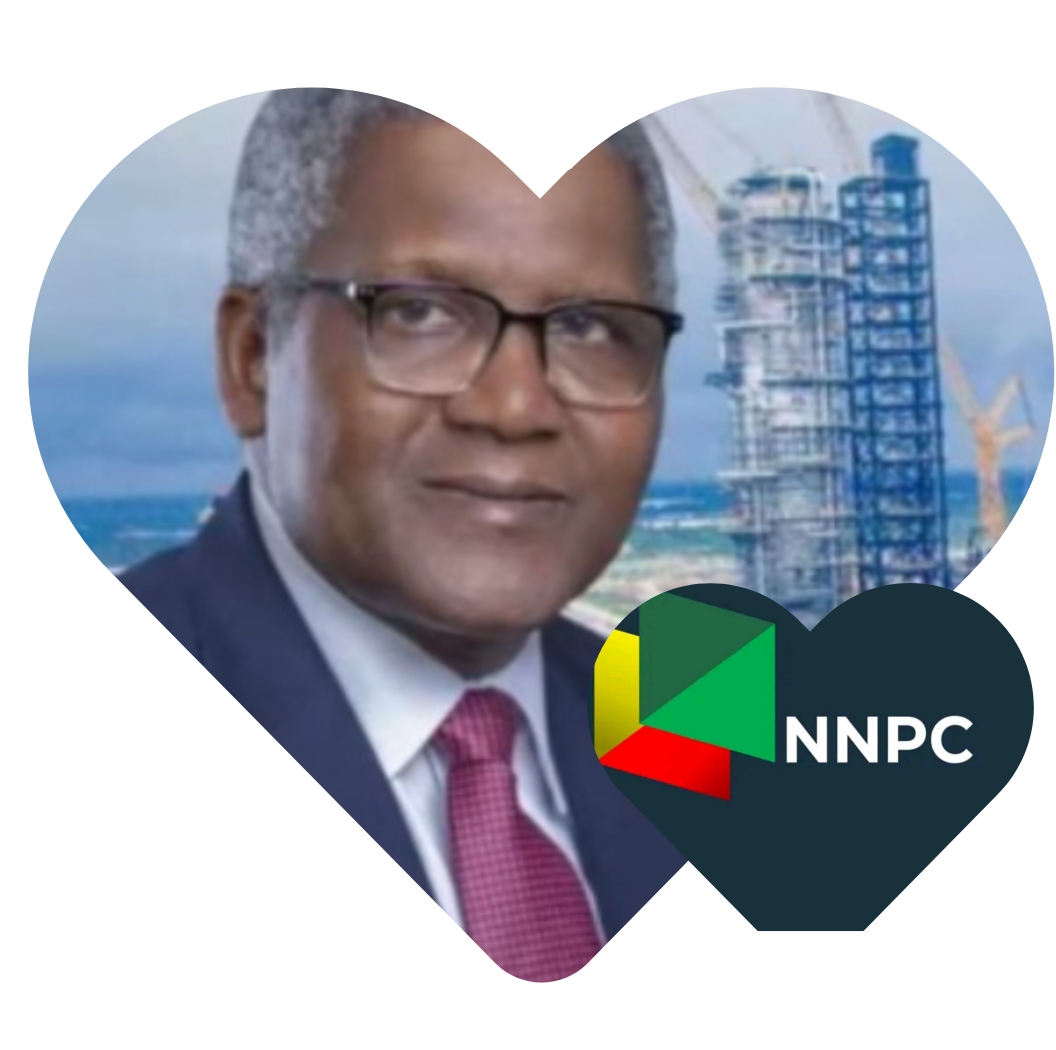
 The President of the Dangote Group, Aliko Dangote, has explained why the company declined repeated requests by the Nigerian National Petroleum Company Limited (NNPC Ltd) to increase its 7.25 per cent equity stake in the Dangote Petroleum Refinery, citing a strategic push toward wider public ownership and eventual listing.
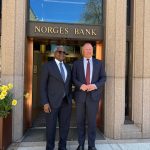
The clarification came during a global investment interview with the Chief Executive Officer of Norway’s Sovereign Wealth Fund, Nicolai Tangen, where Dangote also spoke extensively about refinery expansion, foreign exchange earnings, and Nigeria’s shifting energy landscape.
His comments have since triggered fresh debate among economists, policy analysts, and public relations experts, following a series of questions posed by The Ameh News on the implications of the decision for Nigeria’s oil sector and investor confidence.
“We want Nigerians to own it” — Dangote
Dangote stated that while NNPC had shown interest in increasing its stake beyond the current holding, the proposal was declined in line with long-term plans to democratise ownership of the refinery.
“We are the ones that said no; we want to now spread it and have everybody be part of it,” he said.
He further disclosed that future investors in Dangote industrial assets—including cement, petrochemicals, fertiliser, and the refinery—could receive dividends in dollars, supported by strong export earnings.
Background: NNPC’s stake and missed option
NNPC initially acquired a 7.25 per cent stake in the $20bn Lagos-based refinery in 2021 for about $1bn, with an option to raise its holding to 20 per cent.
However, the national oil company did not fully execute the additional investment option, leaving its stake at 7.25 per cent, a position Dangote later confirmed publicly.
Economic implications: “A shift in industrial ownership model” — Celestine Ukpong
Reacting to The Ameh News question on the development, economist Celestine Ukpong described the decision as a strategic signal of changing industrial ownership patterns in Nigeria’s energy sector.
According to him, Dangote’s refusal to deepen NNPC’s stake reflects a broader ambition to shift the refinery from state-linked concentration to diversified private ownership.
“This is no longer just an oil refinery story; it is a capital market positioning strategy,” Ukpong said. “By resisting further concentration, the group is preparing the asset for global investor participation, which could deepen liquidity and valuation.”
He added that the move could strengthen investor confidence but also raises questions about state influence in strategic energy infrastructure.
PR and reputation angle: “A global brand repositioning move” — Dr Ejike Nduilo
Also reacting, PR strategist and founder of Henryjvaleens, Ejike Nduilo, described the development as a calculated reputation and investor relations strategy.
Nduilo told The Ameh News that Dangote’s messaging during the interview was carefully structured to reinforce transparency, scale, and global credibility.
“From a public relations standpoint, this is deliberate positioning,” he said. “The emphasis on public listing, dollar dividends, and broad ownership is meant to attract institutional investors while reducing concentration risk narratives.”
He further noted that Dangote’s global interview setting was significant, projecting Nigeria’s private sector capacity to international capital markets.
Refinery output reshapes Nigeria’s fuel market
Recent data indicates a sharp transformation in Nigeria’s fuel supply structure, with domestic refining playing a far greater role than imports.
Petrol supply from local refineries rose to 3.18 billion litres in Q1 2026, while imports fell to 965.52 million litres, according to downstream industry data.
Analysts estimate that at an average ex-depot price of about ₦1,000 per litre, the refinery contributed over ₦3.2 trillion worth of domestic fuel supply in just three months.
The trend marks a significant reduction in import dependence and highlights the growing dominance of large-scale private refining capacity.
Policy risks and investment signals
During the interview, Dangote identified government policy inconsistency and geopolitical instability as key risks to large-scale industrial investments in Nigeria.
However, he maintained that the refinery’s operational scale—now reportedly exceeding 650,000 barrels per day—has strengthened its appeal to global financiers.
He also noted that the company’s growing export capacity in refined products and petrochemicals is helping to stabilise foreign currency earnings.
The rejection of NNPC’s bid to increase its stake in the Dangote Refinery has intensified discussions around ownership structure, national energy strategy, and private sector dominance in Nigeria’s downstream petroleum sector.
While Dangote frames the decision as a step toward wider investor inclusion, analysts say it also signals a shift toward a more globalised and capital-market-driven model of industrial development.
Aliko Dangote has explained why his company rejected NNPC’s request to increase its stake in the Dangote Refinery, citing plans for wider public ownership and future listing. Economists and PR experts say the move signals a shift in Nigeria’s energy investment structure and global investor positioning.
Dangote rejects NNPC’s bid to increase refinery stake, citing plans for public listing as economists and PR experts describe the move as a shift toward global investor ownership.
Discover more from Ameh News
Subscribe to get the latest posts sent to your email.