 The Nigerian Safety Investigation Bureau has intensified efforts to strengthen transportation safety oversight and inter-agency coordination following a high-level stakeholders’ engagement convened by the Office of the National Security Adviser in Abuja on the Federal Government’s approved reporting structure for the Bureau.
The strategic engagement brought together stakeholders from aviation, maritime, rail, road transportation, emergency management, law enforcement, and national security institutions in what observers described as a major step toward building a more coordinated and resilient transportation safety architecture for Nigeria.
The meeting focused on enhancing collaboration among agencies, strengthening investigative independence, improving emergency response coordination, and aligning Nigeria’s multimodal transportation safety system with international best practices.
Speaking after the engagement, Director-General of the NSIB, Alex Badeh Jr., reaffirmed the Bureau’s commitment to professional, independent, and evidence-based investigations aimed at improving public confidence and preventing future transportation-related occurrences across the country.
According to him, the evolving reporting structure and collaborative framework reflect the Federal Government’s determination to reposition transportation safety as a strategic national priority tied closely to economic stability, public safety, and national security.
Industry stakeholders noted that the engagement represents a significant shift from the era of fragmented institutional coordination that often weakened emergency response systems and delayed implementation of safety recommendations following transportation incidents.
The NSIB commended the leadership of the National Security Adviser, Nuhu Ribadu, for spearheading the initiative and reinforcing the growing connection between transportation safety management and national security preparedness.
Participants at the engagement observed that transportation systems have increasingly become critical national infrastructure requiring deeper cooperation between investigative agencies, security institutions, and emergency management authorities.
Analysts say disruptions within transportation networks can have wide-ranging implications for economic productivity, public confidence, logistics operations, and national security, thereby making coordinated oversight increasingly important.
The engagement also featured strategic policy contributions from Hadiza Bala Usman, who emphasised institutional reforms, policy coordination, and the adoption of international operational standards capable of strengthening Nigeria’s transportation governance framework.
Her remarks reportedly highlighted the importance of transparency, operational efficiency, accountability, and stronger institutional alignment in sustaining ongoing reforms across the sector.
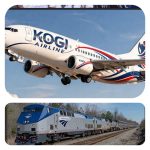
Transportation experts believe the ongoing restructuring surrounding the NSIB reflects broader Federal Government efforts to modernise Nigeria’s safety administration system and establish a more integrated multimodal investigative framework covering aviation, rail, maritime, and road transportation.
The Bureau’s expanded mandate is also being viewed as part of wider reforms intended to eliminate operational silos, improve investigative coordination, and enhance implementation of safety recommendations across agencies.
Stakeholders at the meeting acknowledged that Nigeria’s transportation sector has historically faced challenges linked to fragmented oversight systems, weak institutional communication, infrastructure pressures, and inconsistent safety enforcement mechanisms.
Several past incidents across aviation, rail, and road transportation sectors have exposed operational gaps in emergency coordination and safety management, further reinforcing calls for stronger institutional collaboration and independent investigations.
Participants reaffirmed their collective commitment toward supporting a more effective multimodal transportation safety framework capable of addressing emerging risks and improving operational resilience nationwide.
Discussions during the engagement reportedly centred on evidence-based investigations, intelligence sharing, data-driven policymaking, and coordinated emergency response mechanisms as critical pillars for strengthening transportation safety management.
Experts maintain that globally successful transportation safety systems are often built around independent investigative institutions that operate free from political interference while maintaining close technical collaboration with security and emergency response agencies.
Observers say Nigeria’s current reforms appear aimed at aligning the country’s transportation safety governance structure with such international standards.
The NSIB reiterated that its investigative mandate remains focused not on assigning blame but on identifying root causes of transportation occurrences and recommending preventive measures capable of reducing future incidents.
Captain Badeh Jr. further stressed the importance of sustained institutional cooperation in building public trust and improving safety outcomes across Nigeria’s transportation ecosystem.
As Nigeria continues investing in airports, highways, rail corridors, seaports, and urban mobility infrastructure, stakeholders believe stronger safety governance and inter-agency coordination will remain essential for sustaining long-term sectoral growth and national development objectives.
The engagement concluded with renewed commitments from participating institutions to deepen collaboration, strengthen investigative independence, and support reforms designed to improve transportation safety administration across Nigeria.
NSIB Director-General Captain Alex Badeh Jr. and National Security Adviser Nuhu Ribadu lead renewed efforts to strengthen Nigeria’s transportation safety framework through improved coordination, investigative independence, and multimodal reforms.
Discover more from Ameh News
Subscribe to get the latest posts sent to your email.