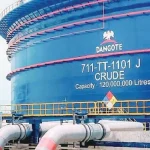
 Fresh reactions have continued to trail the growing confrontation between Dangote Petroleum Refinery and Nigerian National Petroleum Company Limited as economists, energy analysts and industry stakeholders call for a transparent test of performance in Nigeria’s downstream petroleum sector.
The debate intensified following Dangote Refinery’s legal challenge against fuel import licences issued to marketers and petroleum traders, a development many observers say has exposed deeper frustrations over decades of refinery collapse, import dependence and operational inefficiencies within Nigeria’s petroleum management system.
Across economic and energy circles, several analysts who responded to questions from The Ameh News argued that Nigerians deserve the opportunity to determine whether private-sector refining can outperform years of state-controlled fuel supply operations under NNPCL.
“Let Nigerians Compare Results” — Celestine Ukpong
Speaking with The Ameh News, economist Celestine Ukpong said the controversy reflects growing public dissatisfaction with the historical performance of Nigeria’s state-owned refining system.
According to him, the emergence of Dangote Refinery has created the first serious opportunity in decades for Nigerians to compare operational efficiency between a government-controlled fuel structure and a privately financed refining model.
“For years, Nigeria operated public refineries under monopoly-like conditions, yet the country remained dependent on imported fuel despite being a major crude oil producer,” Ukpong said.
“Billions were reportedly spent on refinery rehabilitation, maintenance and operational expenses, but Nigerians still faced recurring scarcity and unstable pricing. Many citizens now believe Dangote Refinery should be allowed to operate more freely so the public can independently assess the difference in performance.”
Ukpong noted that while concerns over monopoly risks are legitimate, Nigeria’s larger challenge has historically been inadequate refining productivity rather than excessive domestic competition.
He added that policymakers must now strike a balance between encouraging large-scale local investment and preserving a healthy competitive market environment.
Experts Say Refinery Battle Reflects Structural Shift
Other analysts who spoke with The Ameh News described the current legal dispute as a major turning point in Nigeria’s petroleum industry.
An energy consultant and downstream analyst said the battle represents a broader struggle between the old fuel import-driven market structure of the NNPCL and a new domestic refining economy emerging around large-scale private investments.
“What we are witnessing is not just a court case over import licences,” Adebayo said.
“This is a transition battle over who controls the future of Nigeria’s downstream petroleum market. Dangote Refinery is challenging a system that relied heavily on imports for decades despite Nigeria’s huge crude oil resources.”
According to him, many investors are closely monitoring how regulators and government institutions handle the dispute because it could shape confidence in Nigeria’s industrial policy direction.
“If private investors commit billions of dollars into local refining but still face policy uncertainty and import competition without clear transition frameworks, it raises questions about long-term investment security,” he added.
Questions Over NNPCL’s Historical Performance
The controversy has reopened public scrutiny over the performance of Nigeria’s state-owned refineries in Port Harcourt, Warri and Kaduna.
Despite years of government funding, turnaround maintenance programmes and rehabilitation announcements, the refineries struggled for sustained operational output while Nigeria remained heavily dependent on imported refined petroleum products.
Critics argue that consumers bear the consequences through fuel scarcity, subsidy burdens and foreign exchange pressures.
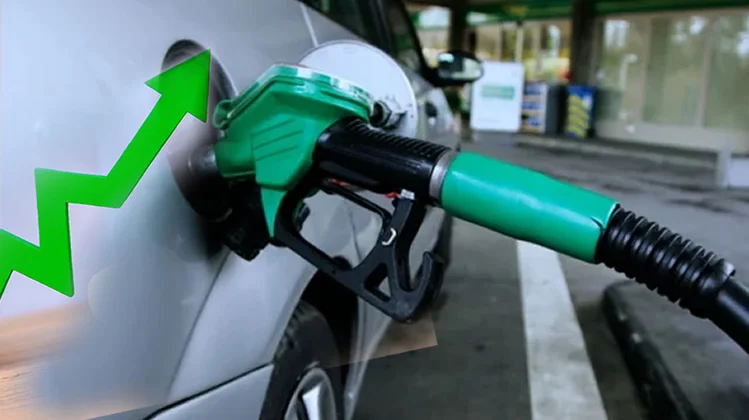
Supporters of Dangote Refinery now insist that allowing stronger domestic refining participation could significantly reduce import dependence and improve supply stability.
However, NNPCL continues to defend its position, maintaining that maintaining import flexibility remains necessary to guarantee national energy security and prevent supply disruptions during operational shutdowns or maintenance periods.
IPO Expectations Raise Stakes
The growing tensions are unfolding as Dangote Refinery prepares for a planned September Initial Public Offering expected to attract major investor interest from both local and foreign markets.
Financial analysts say the outcome of the legal battle could influence investor confidence regarding regulatory stability, competition policy and industrial investment protection in Nigeria.
The refinery, with a capacity of 650,000 barrels per day, is widely regarded as Africa’s largest single-train refinery and one of the continent’s most ambitious industrial infrastructure projects.
As legal proceedings continue, many Nigerians now view the dispute as more than a corporate disagreement.
For consumers, economists and industry stakeholders alike, the confrontation has evolved into a national debate over accountability, refinery management and the future structure of Nigeria’s energy economy.
Economists and energy experts urge Nigeria to allow Dangote Refinery to play a stronger role in fuel supply as debates intensify over NNPCL’s decades of refinery failures and fuel import dependence.
Experts including economist Celestine Ukpong say Nigerians deserve the chance to compare Dangote Refinery’s fuel supply performance against years of NNPCL refinery failures and import dependence.
Discover more from Ameh News
Subscribe to get the latest posts sent to your email.