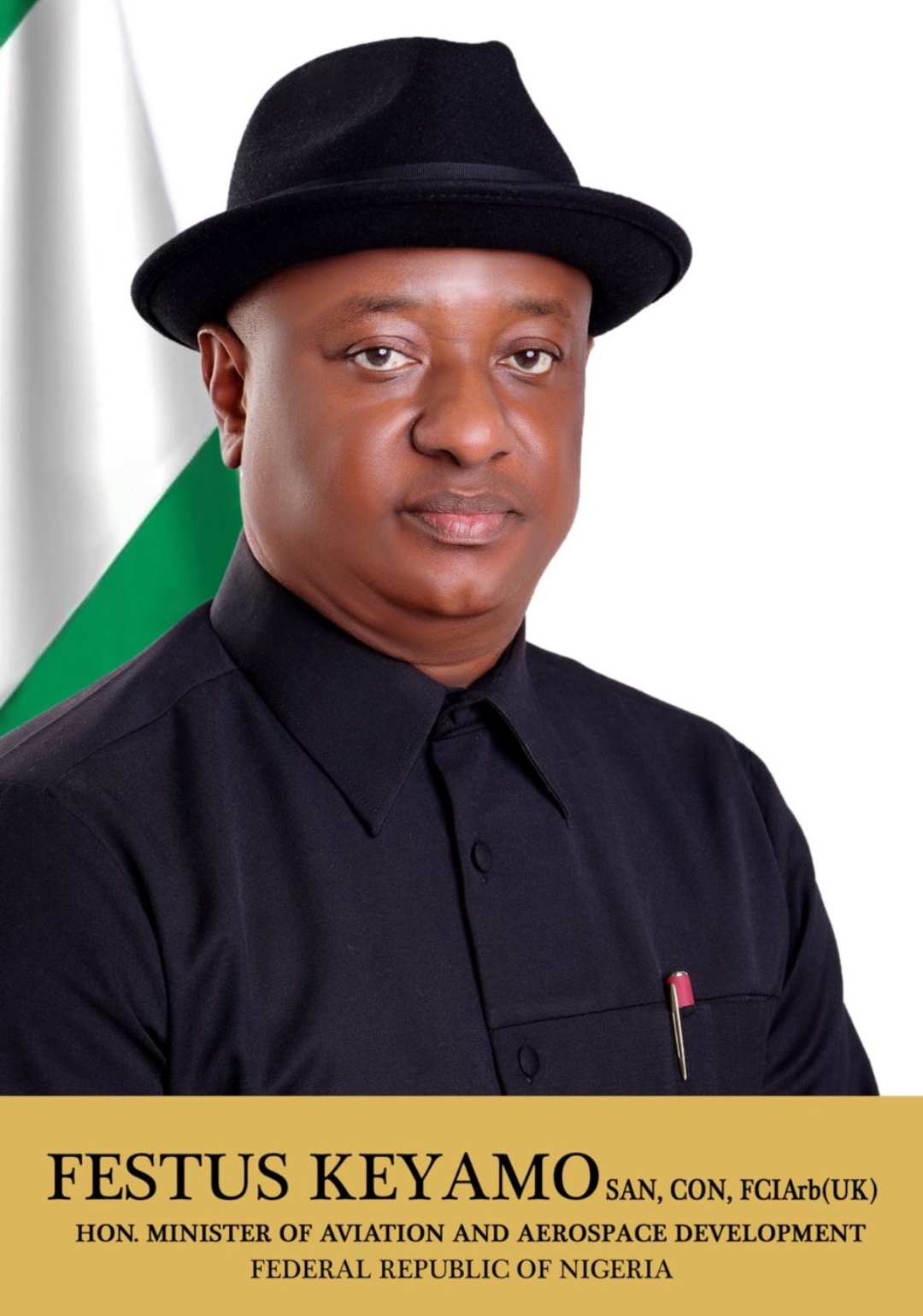
 Nigeria’s aviation sector has entered a new reform phase following strong backing from the Minister of Aviation and Aerospace Development, Festus Keyamo, SAN, CON, FCIArb (UK), for the establishment of a Special Purpose Vehicle (SPV) aircraft leasing company designed to transform aircraft access for domestic airlines.
The initiative, described as a major structural intervention, aims to address long-standing challenges in fleet acquisition by creating a centralised, government-supported but privately driven leasing platform that connects Nigerian airlines directly with global aircraft lessors and financiers.
According to the Ministry, the SPV is expected to improve investor confidence, reduce leasing costs, and strengthen Nigeria’s position in global aviation finance markets.
Keyamo: SPV is a structural reset for aviation financing
Minister Festus Keyamo has consistently framed the initiative as part of a broader aviation reform agenda focused on rebuilding confidence in Nigeria’s air transport ecosystem and improving operational efficiency.
He argues that the SPV will:
Enhance access to modern aircraft for Nigerian airlines
Improve leasing transparency and structure
Reduce dependence on expensive and unsustainable leasing arrangements
Strengthen Nigeria’s compliance with global aviation finance standards
Industry stakeholders say the minister’s push reflects a wider effort to reposition Nigeria as a credible destination for aviation investment and leasing partnerships.
A breakthrough in aircraft access — but not the full solution
While the SPV has been widely welcomed as a long-overdue intervention, aviation experts caution that it addresses only one layer of a far more complex profitability crisis.
A economist Celestine Ukpong told The Ameh News that improving aircraft access alone will not resolve the structural weaknesses facing Nigerian airlines.
“The SPV improves fleet availability, but it does not solve the core issues — fuel costs, foreign exchange exposure, and regulatory burdens remain the real pressure points,” he said.
He added that unless broader cost reforms accompany the initiative, airlines may still struggle to remain profitable even with improved leasing conditions.
Financial expert: “Good reform, but incomplete economics”
Reacting to The Ameh News inquiry on the SPV’s potential impact, financial analyst and chartered accountant Peter Adebayo FCA described the policy as “structurally positive but economically insufficient.”
“What the minister has done is strengthen the supply side of aviation financing. That is important. But airlines operate in a dollar-cost environment while earning in naira — that mismatch is still unresolved,” Adebayo said.
He further noted that aircraft leases, even under the SPV structure, would remain denominated in foreign currency, leaving airlines exposed to exchange rate volatility.
“Without reforms in fuel pricing, taxation, and FX stability, profitability will remain fragile regardless of fleet access,” he added.
The three cost pressures still defining Nigerian aviation
Despite the reform push, industry conditions remain constrained by three dominant structural pressures:
1. High aviation fuel costs
Jet A1 fuel accounts for up to 40% of total airline operating costs, making domestic carriers highly sensitive to price fluctuations.
2. Foreign exchange exposure
The depreciation of the naira continues to inflate costs for:
Aircraft leasing obligations
Maintenance and spare parts
Insurance premiums
This creates a persistent mismatch between revenue (naira) and costs (dollars).
3. Heavy regulatory and tax burden
Airlines operate under multiple overlapping charges, which industry stakeholders argue significantly erode already thin margins and discourage reinvestment.
Demand pressures add another layer of strain
Beyond cost challenges, Nigeria’s domestic aviation market has also experienced declining passenger demand, driven largely by rising ticket prices.
As fares increase to absorb operational costs, air travel becomes less accessible, further weakening load factors and revenue stability.
Regional reality: Africa’s aviation profitability gap
Across Africa, airlines continue to operate with some of the lowest profit margins globally, constrained by high operating costs, currency volatility, and infrastructure limitations.
Nigeria’s aviation sector reflects this broader continental challenge, where structural inefficiencies often outweigh fleet expansion efforts.
Reform debate: ambition vs execution
The SPV represents one of the most ambitious aviation financing reforms in recent years under Minister Festus Keyamo’s leadership. However, experts stress that its success will depend on how well it integrates with wider economic reforms.
As Peter Adebayo FCA summarised:
“The SPV is a step forward, but not a complete solution. Aviation sustainability requires coordinated reforms across fuel, FX, and taxation — not just aircraft access.”
Nigeria’s aircraft leasing SPV, championed by Aviation Minister Festus Keyamo, marks a significant attempt to resolve a long-standing bottleneck in fleet acquisition and aviation financing.
However, while the initiative strengthens the supply side of the industry, experts caution that the deeper profitability crisis remains unresolved.
Ultimately, the future of Nigerian aviation may depend not only on how easily airlines can access aircraft, but on whether the broader operating environment becomes economically sustainable enough to keep them flying profitably.
Nigeria’s aviation minister Festus Keyamo has backed a new aircraft leasing SPV aimed at improving airline access to aircraft, but experts warn that fuel costs, foreign exchange volatility, and heavy taxation continue to threaten the sector’s profitability.
Discover more from Ameh News
Subscribe to get the latest posts sent to your email.