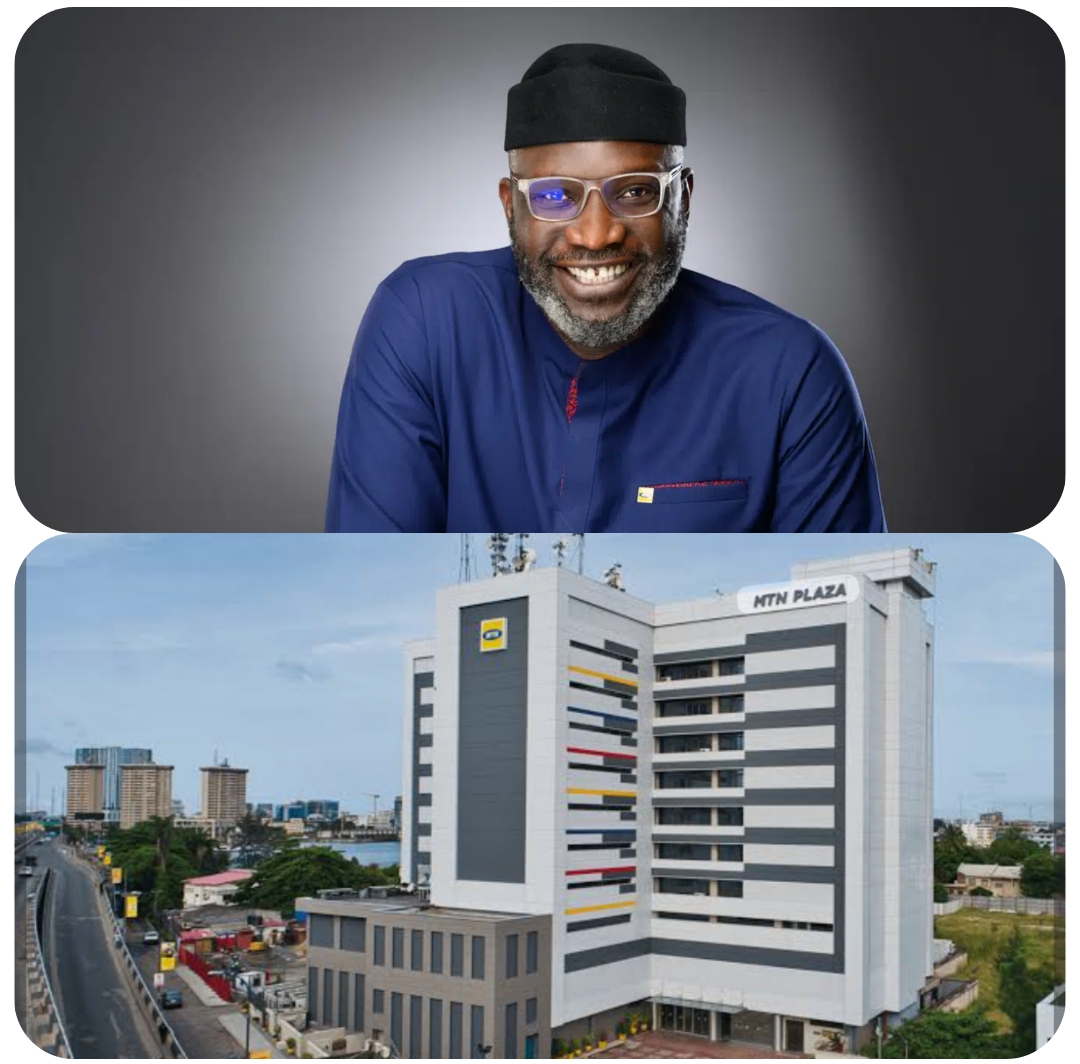
 Nigeria’s telecommunications industry is entering a new phase of infrastructure competition as MTN Nigeria unveils an ambitious plan to connect eight million homes to fibre broadband within the next three years, a move analysts say could reshape internet access, digital commerce, fintech growth, and smart technology adoption across the country.
The disclosure was made by Tobechukwu Okigbo, Chief Corporate Services and Sustainability Officer at MTN Nigeria, during the MTN Media Innovation Programme Alumni “Ask Me Anything” session held in Lagos.
The planned expansion, largely driven through the company’s Fibre-to-the-Home (FTTH) platform, FibreX, underscores MTN’s aggressive push beyond traditional mobile services into fixed broadband infrastructure as demand for high-speed connectivity continues to surge nationwide.
The investment drive comes amid rising data consumption fueled by artificial intelligence, streaming platforms, fintech transactions, cloud computing, remote work, and Nigeria’s rapidly expanding digital economy.
Okigbo said the telecom operator is making substantial capital investments to accelerate fibre penetration nationwide despite persistent regulatory, operational, and infrastructure challenges.
According to him, fibre broadband has become critical to the next stage of Nigeria’s technological evolution, especially as connected homes, smart devices, 5G ecosystems, and Internet of Things (IoT) technologies gain momentum globally.
“We are seeing a shift in how people consume connectivity. Mobile data remains dominant, but fixed broadband will become increasingly important for homes, businesses, AI-enabled services, and digital ecosystems,” he explained.
Nigeria’s Broadband Race Intensifies
Industry stakeholders say MTN’s latest fibre commitment reflects a broader transformation underway in Nigeria’s telecoms sector, where operators are increasingly competing for dominance in fixed broadband infrastructure.
Although Nigeria remains Africa’s largest telecom market by subscriber base, broadband penetration gaps persist, particularly outside major urban centres.
Data from the Nigerian Communications Commission (NCC) shows broadband penetration has continued to grow steadily in recent years, supported by increased smartphone adoption and rising internet demand. However, experts argue that fibre infrastructure deployment remains inadequate compared to the scale of Nigeria’s digital ambitions.
Telecommunications Stakeholder and economist, Celestine Ukpong, said MTN’s fibre expansion could become a major catalyst for Nigeria’s digital productivity if properly executed.
According to him, reliable fibre connectivity has become essential infrastructure for modern economies.
“Fibre broadband is no longer a luxury service. It is now an economic infrastructure. Countries that want to compete in artificial intelligence, fintech, e-commerce, cloud computing, and digital manufacturing must build strong fibre networks,” Ukpong said.
He noted that Nigeria’s growing population and youthful digital workforce make the country one of Africa’s largest potential broadband markets.
“MTN’s investment signals confidence in the future of Nigeria’s digital economy despite current economic headwinds,” he added.
High Costs, Multiple Taxes Threaten Rollout
Despite the optimism, industry experts warn that the biggest threats to fibre expansion remain high right-of-way charges, multiple taxation, infrastructure vandalism, insecurity, and inconsistent government policies across states.
Public affairs analyst and communications strategist Dr Ejike Nduilo said fibre deployment in Nigeria still faces “structural bottlenecks capable of slowing execution timelines.”
“Telecom operators spend heavily on diesel, site security, fibre repairs, and regulatory approvals. Without stronger policy harmonisation and infrastructure protection, nationwide fibre expansion will remain expensive,” Nduilo stated.
He emphasised that government support would be crucial if Nigeria is to achieve meaningful broadband penetration targets.
According to him, fibre infrastructure should increasingly be treated as critical national infrastructure deserving enhanced legal and physical protection.
Shift Beyond Traditional Telecom Services
During the session, Okigbo also highlighted how emerging technologies are redefining the telecoms industry globally.
He warned that operators unable to evolve beyond voice calls and conventional mobile data risk losing relevance as technology companies increasingly dominate digital ecosystems.
He explained that fibre broadband services are structured differently from mobile internet plans because users pay for speed and connection quality rather than strictly for data volume.
Analysts believe this model could improve service stability for households and enterprises while supporting high-bandwidth applications such as smart surveillance systems, AI tools, cloud gaming, online education, telemedicine, and enterprise digital platforms.
Tariff Increase Debate
Addressing public concerns over recent telecom tariff adjustments, Okigbo defended the price increases, citing inflationary pressures, rising energy costs, foreign exchange volatility, and sustainability challenges affecting network operators.
According to him, telecom pricing must reflect prevailing economic realities while still maintaining consumer choice and market competition. 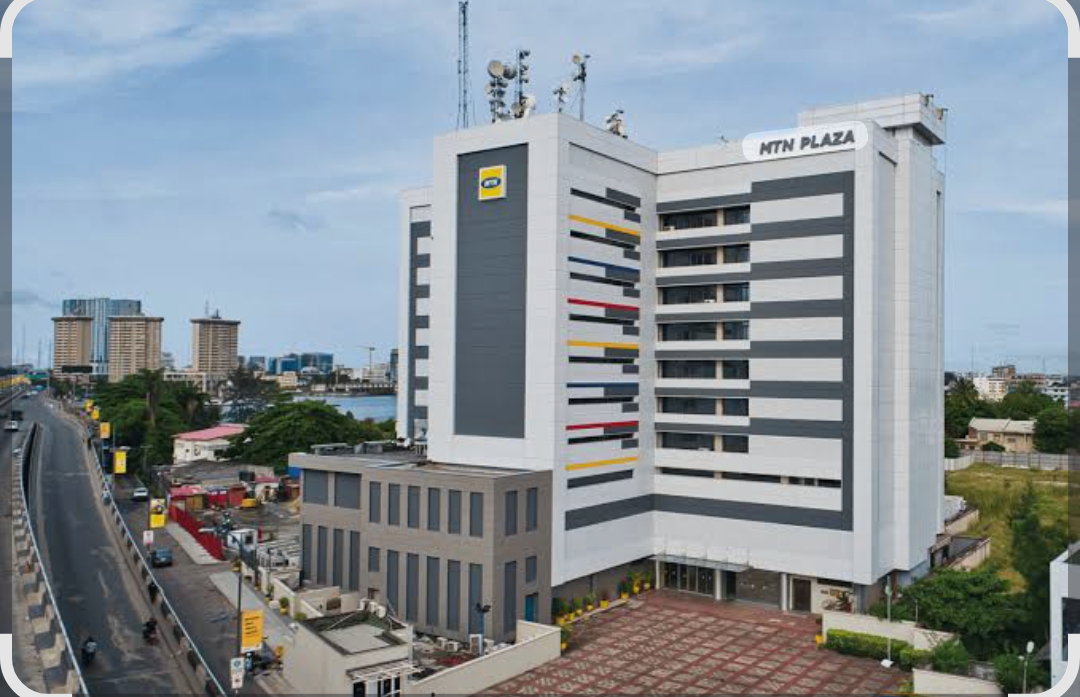 Financial analyst Peter Adebayo FCA said telecom operators are currently operating under severe economic pressure due to currency depreciation and escalating infrastructure costs.
“Network expansion today is significantly more expensive than it was five years ago. Equipment importation, power generation, maintenance, and forex exposure have all increased operating costs,” Adebayo said.
He added that while consumers naturally resist higher tariffs, sustainable pricing would remain necessary if operators are expected to continue investing in infrastructure upgrades.
Focus on Customer Experience and Digital Finance
On service delivery, Okigbo disclosed that MTN has compensated customers in verified cases involving poor network performance and is working with regulators to define accountability where disruptions result from vandalism or third-party infrastructure damage.
He further explained that MTN Group’s acquisition of a 60 per cent stake in MoMo is expected to strengthen the company’s competitiveness within Nigeria’s fast-growing mobile money ecosystem.
Industry observers say the integration of fibre connectivity, fintech services, smart devices, and embedded digital solutions reflects the next phase of telecom evolution across Africa.
Experts believe operators that successfully combine broadband infrastructure with digital financial services, cloud ecosystems, AI-enabled platforms, and IoT technologies could dominate Africa’s emerging digital economy over the next decade.
For Nigeria, analysts say the stakes are even higher.
With increasing demand for remote work infrastructure, digital banking, online education, entertainment streaming, and AI-powered services, fibre broadband is rapidly becoming a strategic economic necessity rather than a premium technology offering.
MTN Nigeria plans to connect 8 million homes to fibre broadband within three years as experts highlight the investment’s impact on Nigeria’s digital economy, AI growth, fintech expansion, and smart connectivity.
Discover more from Ameh News
Subscribe to get the latest posts sent to your email.