By The Ameh News
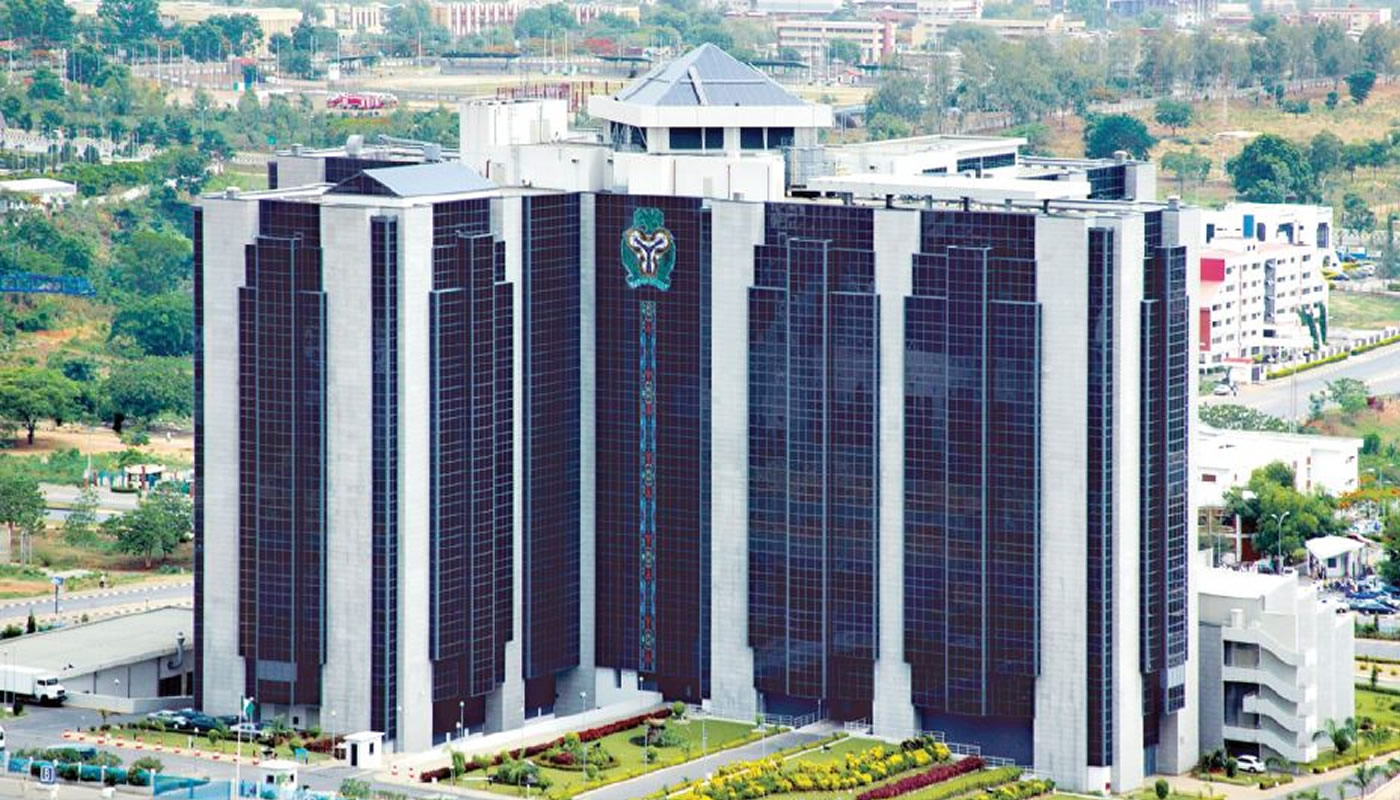 Nigeria’s private sector recorded its first expansion in three months as the country’s Composite Purchasing Managers’ Index (PMI) rose to 50.1 points in June 2026, up from 49.6 points in May, signalling a modest return to economic growth after two months of contraction.
The latest data released by the Central Bank of Nigeria (CBN) and analysed by Cordros Research show that while the economy has technically returned to expansion, the recovery remains uneven and is being driven almost entirely by agriculture, with the industrial and services sectors still struggling below the 50-point growth benchmark.
The report projects Nigeria’s economy will grow by about 4.2 per cent year-on-year in the second quarter of 2026, supported by improving agricultural activities, easing inflationary pressures and relative exchange-rate stability.
However, economists warn that weak consumer demand and sluggish manufacturing remain major risks to a sustained recovery.
Agriculture Leads, Industry and Services Lag
Agriculture recorded the strongest performance, with its PMI rising to 52.1 points, extending its growth streak to 23 consecutive months.
The improvement reflected stronger crop production, forestry, fish farming and seasonal planting activities associated with the rainy season.
By contrast, the industrial sector remained in contraction at 49.5 points, while services stood at 49.4 points, highlighting persistent weakness across manufacturing, transportation, logistics, wholesale trade and professional services.
Although output and employment remained positive, new business orders stayed below the growth threshold at 49.0 points, suggesting businesses are yet to experience a meaningful increase in customer demand.
Cordros Research described the June recovery as technical rather than broad-based, arguing that genuine economic momentum will only emerge when new orders and private sector demand begin to expand consistently.
What the PMI Means
The Purchasing Managers’ Index is one of the earliest indicators of economic performance.
A reading above 50 points means business activity is expanding, while a reading below 50 indicates contraction.
For investors, businesses and policymakers, the PMI provides an early signal of the direction of economic growth before official Gross Domestic Product (GDP) figures are released.
Nigeria’s return above the 50-point threshold suggests businesses are becoming more active again, but the narrow nature of the recovery indicates that confidence has not fully returned across the economy.
Why It Matters
The June PMI matters because it offers the first indication that Nigeria’s economy may have avoided a prolonged slowdown.
It also supports expectations that second-quarter GDP growth could improve modestly.
For businesses, improving PMI figures could translate into increased production, gradual hiring and renewed investment if demand strengthens.
For government, the data provide evidence that reforms aimed at stabilising inflation, improving foreign exchange liquidity and supporting agriculture are beginning to yield measurable results.
However, the continued contraction in manufacturing and services also shows that many businesses remain under pressure from high operating costs, weak consumer purchasing power and expensive financing conditions.
What Will Happen Next?
Analysts expect the PMI to remain slightly above 50 during July if current trends continue.
Agriculture is likely to remain the strongest-performing sector because of ongoing planting and harvesting activities.
If inflation continues easing and the naira remains relatively stable, businesses could experience lower production costs during the second half of the year.
Nevertheless, economists say stronger consumer demand will be required before industries begin expanding consistently.
Without improved spending by households and businesses, the recovery could lose momentum.
What’s Next?
Attention will now shift to:
The official second-quarter 2026 GDP figures.
Future CBN monetary policy decisions on interest rates.
Inflation data for July and August.
Manufacturing and services activity during the third quarter.
Whether new business orders rise above the 50-point expansion threshold.
Should these indicators improve together, Nigeria could witness a broader and more sustainable economic recovery.
Experts React
In a seperate responding to questions from The Ameh News, Dr. Akin Olaniyan described the latest PMI as “an encouraging signal rather than a declaration of victory.”
He said the data show that government reforms are beginning to stabilise the economy, but warned that ordinary Nigerians will judge success by improvements in jobs, household income and living standards.
“Agriculture has once again demonstrated its strategic importance to Nigeria’s economy. But real economic transformation will occur when manufacturing, technology, logistics and services begin expanding together. Sustainable growth must be inclusive and broad-based,” he said.
Economist Celestine Ukpong said the PMI reflects improving macroeconomic stability but cautioned against excessive optimism.
According to him, the contraction in new business orders remains the most important weakness in the report.
“Businesses cannot sustain production indefinitely without stronger customer demand. Policymakers should now focus on stimulating purchasing power, reducing business costs and encouraging private investment. That is what will transform technical recovery into real economic expansion.”
Dr. Ejike Nduilo said the June PMI highlights the resilience of Nigeria’s agricultural sector while exposing structural weaknesses elsewhere.
He noted that improved foreign exchange stability and easing inflation provide a favourable environment for investment.
“The challenge now is policy execution. Nigeria must strengthen value addition, industrial productivity, infrastructure and logistics. Agriculture alone cannot carry a $1 trillion economy ambition.”
He added that improved communication between policymakers and businesses would enhance investor confidence and accelerate growth.
Chartered accountant Peter Adebayo, FCA, said businesses would welcome the easing inflationary pressures reflected in the PMI report.
He noted that declining input costs could gradually improve corporate profitability if maintained.
“The next phase should focus on restoring consumer confidence. Lower inflation, easier access to credit and stronger domestic demand will ultimately determine whether this recovery becomes sustainable. Investors should remain cautiously optimistic.”
The Ameh News Analysis
The June PMI sends a cautiously positive message.
Nigeria’s economy has stopped contracting, but it has not yet entered a broad-based expansion.
Agriculture is currently carrying the economy, while manufacturing, logistics and services continue to struggle under high costs and weak demand.
The easing of inflationary pressures, stronger foreign exchange reserves and relative exchange-rate stability provide reasons for optimism.
However, the real test will come in the months ahead when policymakers seek to convert agricultural resilience into economy-wide growth that creates jobs, boosts incomes and improves living standards.
If new business orders, industrial production and consumer spending recover simultaneously, Nigeria’s economy could be positioned for stronger and more sustainable expansion during the second half of 2026.
Nigeria’s Purchasing Managers’ Index (PMI) returned to expansion at 50.1 in June 2026 after two months of contraction, driven mainly by agriculture. Experts tell The Ameh News why the recovery is encouraging but still fragile.
Discover more from Ameh News
Subscribe to get the latest posts sent to your email.