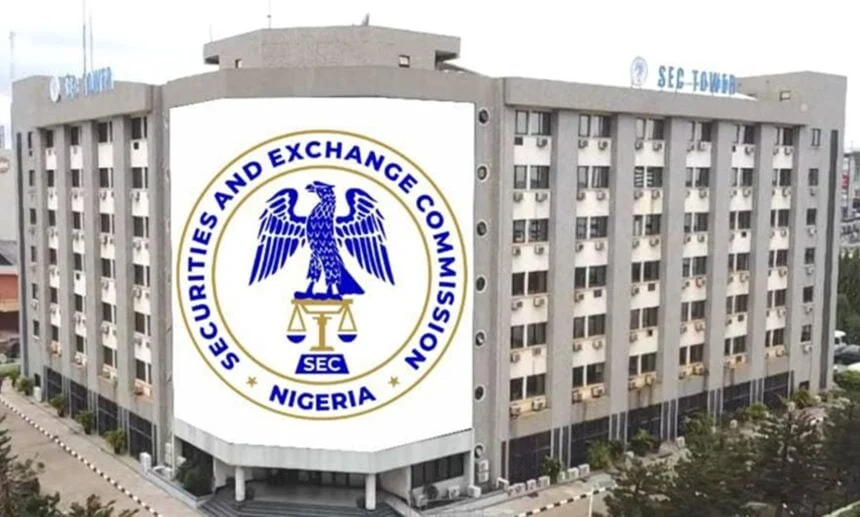
 The Securities and Exchange Commission’s (SEC) decision to commence a fully electronic registration process for designated capital market services is more than a technological upgrade—it represents one of the most significant regulatory reforms in Nigeria’s capital market in recent years.
While the immediate change affects existing Capital Market Operators (CMOs), industry analysts believe the initiative could fundamentally reshape how brokers, fund managers, issuing houses, investment advisers and other market participants interact with the regulator.
More importantly, the digital transformation is expected to strengthen investor confidence, improve regulatory transparency and position Nigeria’s capital market to compete more effectively with leading financial markets across Africa.
From Paper Files to Digital Regulation
For decades, many regulatory processes within Nigeria’s capital market relied heavily on physical documentation, manual verification and paper-based correspondence. These procedures often resulted in delays, higher compliance costs and limited visibility into the progress of regulatory applications.
The SEC’s newly introduced e-Registration platform seeks to eliminate many of these inefficiencies by allowing designated registration processes to be completed entirely online through the Commission’s ePortal.
The system covers application submission, regulatory review, approvals and official communication, creating a single digital channel between the Commission and Capital Market Operators.
Although the current rollout is limited to post-registration services for existing operators, the Commission has indicated that electronic registration for new entrants will be introduced in a later phase.
What It Means for Stockbrokers
For stockbroking firms, faster regulatory approvals could translate into lower operational costs and improved business efficiency.
Instead of physically submitting documents or making repeated visits to the regulator, brokers can process eligible regulatory requests electronically, reducing paperwork and administrative delays.
The availability of digital tracking also provides greater certainty, enabling firms to monitor application progress and plan business activities more effectively.
Industry observers say this could improve service delivery to investors, particularly as Nigeria’s retail investor base continues to expand.
Benefits for Fund Managers
Fund managers stand to gain from quicker regulatory interactions, allowing them to respond more rapidly to changing market conditions.
Electronic processing is expected to shorten turnaround times for regulatory approvals relating to eligible post-registration services, enabling investment firms to focus more on portfolio management and client service rather than administrative procedures.
The digital platform also creates better record management and documentation, strengthening compliance and reducing operational risks.
Issuing Houses and Investment Banks
Issuing houses and investment banking firms involved in capital raising exercises may also benefit from a more efficient regulatory environment.
Although new registration applications are not yet covered, experts believe future expansion of the digital platform could significantly accelerate regulatory processes surrounding public offers, rights issues, corporate bond issuances and other capital market transactions.
Greater efficiency at the regulatory level could ultimately reduce transaction timelines and enhance Nigeria’s attractiveness as a destination for capital formation.
Why Investors Should Care
For investors, the significance of the reform extends beyond technology.
A more efficient regulator generally means improved market oversight, stronger compliance and better protection of investor interests.
The SEC says the platform will enhance regulatory effectiveness through standardised workflows, secure digital documentation, stronger audit trails and improved data quality.
These improvements could enable faster detection of compliance issues while supporting more informed regulatory decisions.
Enhanced transparency is also expected to strengthen market confidence, particularly among institutional investors seeking predictable and technology-driven regulatory systems.
Supporting Nigeria’s Digital Economy
The launch of e-Registration aligns with the Federal Government’s broader digital transformation agenda aimed at modernising public institutions and improving the ease of doing business.
For the capital market, digital regulation represents an important step towards reducing bureaucracy while supporting innovation across investment services.
The Commission believes electronic documentation and automated workflows will improve operational efficiency without compromising regulatory standards.
Preparing for Future Innovations
Beyond immediate efficiency gains, analysts see the platform as laying the foundation for more advanced regulatory technologies.
A fully digital regulatory infrastructure could eventually support data-driven supervision, artificial intelligence-assisted compliance monitoring, predictive risk analysis and real-time market surveillance.
Such capabilities are becoming increasingly important as financial markets grow more sophisticated and digital investment products continue to emerge.
A Phased but Strategic Rollout
The SEC has emphasised that implementation will occur in phases to ensure stability and minimise disruption for market participants.
For now, only post-registration services for existing Capital Market Operators are available electronically, while applications from new market entrants remain outside the current rollout.
Nevertheless, the Commission has confirmed that electronic processing for new registrations will be introduced in a future phase.
The Bigger Picture
The launch of the e-Registration platform reflects the SEC’s broader ambition to build a modern, technology-driven regulatory ecosystem capable of supporting a larger, more resilient and globally competitive capital market.
If successfully implemented, the initiative could reduce compliance costs, accelerate regulatory decision-making, improve transparency and strengthen investor confidence—factors that are critical to attracting both domestic and foreign investment.
As Nigeria seeks to deepen its capital market and mobilise long-term investment for economic growth, the Commission’s digital transformation may prove to be one of the defining reforms shaping the industry’s future.
For brokers, fund managers, issuing houses and investors alike, the message is clear: the era of paper-based regulation is gradually giving way to a faster, smarter and more transparent digital capital market.
Discover more from Ameh News
Subscribe to get the latest posts sent to your email.