
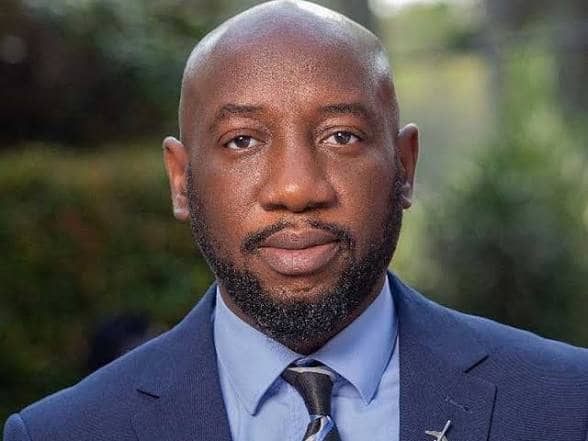
The rising cost of aviation fuel, one-way passenger traffic and inadequate airport infrastructure are putting increasing pressure on Nigerian airlines, particularly as operators prepare for the Yuletide travel rush. In this interview with BUSINESSINSIDERNG, Chief Commercial Officer of United Nigeria Airlines, Adedayo Olawuyi, speaks on the challenges facing domestic carriers, the impact of rising operating costs, election-season travel demand, taxation and the urgent need for government to address infrastructure gaps in the aviation sector.
BUSINESSINSIDERNG: What are the major challenges United Nigeria Airlines faces during the Yuletide travel season?
Adedayo Olawuyi: The main concern is the directional nature of traffic during the season. Ordinarily, passengers travelling from Lagos to Anambra or Enugu also purchase return tickets, and we can sell both legs at the same fare of between N150,000 and N170,000.
However, during the Yuletide period, most passengers travel in one direction, while the cost of operating the aircraft remains the same. For instance, if I have an aircraft with 100 seats and it costs me N10 million to operate a flight, the average fare required to cover that cost is N100,000 per passenger.
If I fly 100 passengers to a destination, I may recover the cost of the outbound flight, but I still have to bring the aircraft back, sometimes with only five or six passengers on board. That is a major challenge.
In preparation for the season, we have had to increase capacity by upgrading some flights, increasing frequencies and deploying larger aircraft to accommodate the anticipated passenger traffic.
Another major challenge is the rising cost of fuel. Aviation fuel, which we used to buy at about N900 per litre last year, now costs between N2,100 and N2,400, depending on the airport. Previously, fuel accounted for about 25 to 27 per cent of our operating costs, but today it is almost 55 per cent.
We have not been able to increase ticket prices proportionately to reflect this rise in costs. Airlines also have to contend with foreign exchange considerations and other operational expenses. Ultimately, we have to ensure that our fares cover our costs.
BUSINESSINSIDERNG: With the country entering the election season, has the political campaign period affected passenger traffic or airline operations?
Adedayo Olawuyi: To be candid, we have not really seen the impact of the election period on our operations at this point. We know that the proliferation of private jets has affected business-class travel on commercial airlines. That is an established fact, particularly as many politically exposed persons and other high-profile individuals prefer private aviation.
However, we have not seen any significant election-related increase in passenger traffic so far. We are hoping that closer to the election period, we might begin to see its impact.
In fact, one of our concerns is that the election, which is scheduled for early January, could discourage some members of the diaspora who would otherwise want to travel to Nigeria during the festive season.
Our forward bookings remain relatively strong and are comparable to what we recorded around the same period last year. However, the booking pattern in Nigeria is such that passengers tend to purchase tickets quite late.
Therefore, it is difficult to determine whether we will record the same passenger traffic as last year or whether the political season will increase or reduce demand. Based on what we currently see, we cannot say that the election period has increased passenger traffic.
BUSINESSINSIDERNG: Are taxes and other industry levies still affecting your operations and bottom line?
Adedayo Olawuyi: Most of the taxes and levies are passed on to passengers. For instance, NCAA’s passenger service charges and other applicable levies are reflected in the overall cost of tickets.
However, high taxation still affects our pricing structure. The challenge is that the industry is becoming increasingly competitive, with more airlines operating in the country. Capacity has increased significantly, but passenger traffic has not grown at the same pace.
This has created an almost price-war situation among operators. Even though we have taxes and other charges to pay, we cannot simply increase fares to whatever level we want because we have to remain competitive and affordable to passengers.
So, while the taxes are largely passed on to customers, they still affect our ability to price tickets optimally and remain profitable.
BUSINESSINSIDERNG: As the industry enters the Yuletide travel period, what measures would you like the government to put in place to reduce airlines’ operating costs?
Adedayo Olawuyi : What we need is a better operating environment, particularly in terms of infrastructure that supports airline operations rather than further increasing our costs.
For example, there is congestion at several airports across the country. Whenever there are delays, the consequences ultimately become additional operational costs for airlines.
Many of our airports also operate only during daylight hours. This creates challenges when flights are delayed by weather conditions or other operational issues.
For instance, if I have sold a ticket for a 5pm flight but experience a two-hour delay earlier in the day because of morning fog, I may eventually be forced to cancel the flight if the delay pushes operations beyond the airport’s operating hours. The airline would still have to compensate affected passengers.
We have also experienced several air traffic control challenges, including delays caused by congestion on airport ramps and taxiways, particularly during morning operations at major airports.
Another concern is the closure of the Sam Mbakwe International Cargo Airport, Owerri, which has been shut for about three months, with the closure recently extended.
I have staff stationed there, and I cannot simply disengage them because the airport is closed. I have had to find ways to utilise them at other locations. We have also sold tickets to passengers, some of whom have had to request refunds.
All these infrastructural and operational challenges add to the cost of doing business for airlines.
We therefore expect the government to address airport congestion, improve air traffic management, extend airport operating hours where necessary and provide reliable infrastructure to make airline operations more efficient. These interventions would go a long way towards reducing our operating costs.
Discover more from Ameh News
Subscribe to get the latest posts sent to your email.