
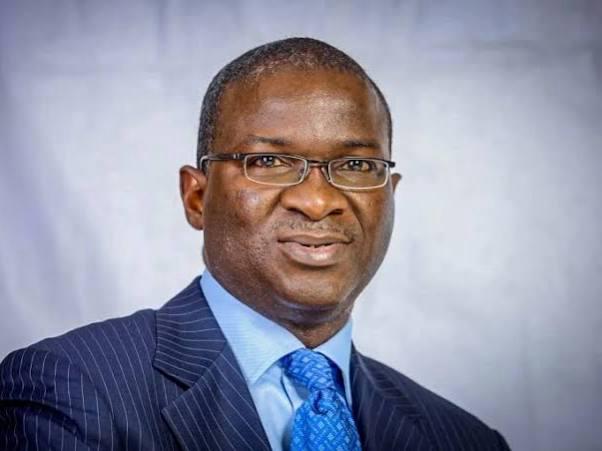
Babatunde Fashola.
Story by Ibrahim Nasir
On Tuesday night, November 17, former Minister of Works and Housing Babatunde Fashola appeared on Channels Television’s Politics Today and made a startling admission. Defending the removal of petrol subsidies, he revealed that the World Bank had warned Nigeria it would stop lending money to the country unless the subsidy was scrapped.
Mr. Fashola may have thought that blaming Washington would quieten critics of the current economic hardship. Instead, his statement is a troubling confession that raises a far deeper question about Nigeria’s economic sovereignty and leadership accountability.
If an elected Nigerian government removes a policy affecting over 230 million citizens primarily because a foreign lender issued an ultimatum, then who is truly running our economy, Abuja or Washington?
1. The Bitter Track Record of Bretton Woods in Nigeria
Whenever Nigerian officials point to the World Bank or the International Monetary Fund (IMF) to justify painful economic shocks, ordinary citizens have every right to be skeptical. Since the Structural Adjustment Programme (SAP) of the 1980s, Bretton Woods prescriptions across Africa have followed the same familiar script: devalue the local currency, cut public subsidies, freeze wages, and prioritize foreign debt repayment.
For nearly four decades, those textbook formulas have rarely lifted ordinary Nigerians out of poverty. Instead, they have repeatedly wiped out the purchasing power of workers, crippled small businesses, and turned basic survival into a daily struggle. A lender’s primary job is to protect its balance sheet and ensure loans are repaid; a government’s primary duty is to protect the welfare and dignity of its own people.
2.Using Foreign Lenders as a Political Shield
Even more concerning is how political leaders now use the World Bank as a convenient shield to escape domestic responsibility. In the same television interview, Mr. Fashola pointed out that Nigeria was spending nearly 90 percent of its revenue servicing debt and cited the Petroleum Industry Act as legal backing for subsidy removal.
Nobody denies that Nigeria’s old subsidy regime was riddled with corruption, smuggling, and unsustainable borrowing. However, admitting that a system was broken is very different from outsourcing national policy to external creditors. Worse still, while ordinary Nigerians are told to tighten their belts to satisfy international lenders, the political class has refused to cut its own bloated cost of governance, luxury convoys, and endless allowances.
You cannot preach World Bank discipline to struggling families while running an expensive, wasteful bureaucracy at home.
3.True Reform Must Start at Home, Not in Washington
Sovereign nations do not reform their economies to please foreign institutions; they reform to serve their citizens and build local productivity. Had Nigeria fixed its state-owned refineries, secured its oil pipelines from industrial-scale theft, and invested in public mass transit before pulling the plug on subsidies, the transition would have been driven by national interest rather than foreign pressure.
When leaders tell citizens, “We had no choice because the World Bank threatened to cut off financing,” they weaken public trust in democracy itself. Voters begin to feel that their ballots do not matter if major economic decisions are dictated from boardrooms thousands of miles away.
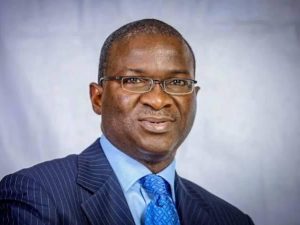 Mr. Babatunde Fashola.
The Bottom Line
Nigeria is Africa’s largest black nation, not a branch office of the World Bank. While international financial partners can offer technical advice and development loans, they must never replace the constitutional duty of Nigerian leaders to think first of their own people.
Until our leaders tackle elite waste, seal revenue leakages, and build local production, hiding behind World Bank ultimatums will remain pure political rhetoric—and an insult to our national sovereignty.
Discover more from Ameh News
Subscribe to get the latest posts sent to your email.