 Ethiopia is set to make aviation history this November as it breaks ground on the Bishoftu International Airport, an ambitious $10 billion project that is poised to become the largest airport in Africa.
The new airport, located about 39 kilometers southeast of Addis Ababa near the town of Bishoftu, is being developed by Ethiopian Airlines as part of the country’s long-term strategy to establish itself as a global aviation hub.
According to the construction network report, Once completed, Bishoftu International will span more than 35 square kilometers, over three times the size of Addis Ababa’s Bole International Airport, and will be capable of handling up to 100 million passengers annually. The development is expected to take five years.
“This airport is a major step forward in our goal to lead Africa’s aviation industry and position Ethiopia as a key global transit point,” said Ato Mesfin Tasew, CEO of Ethiopian Airlines.
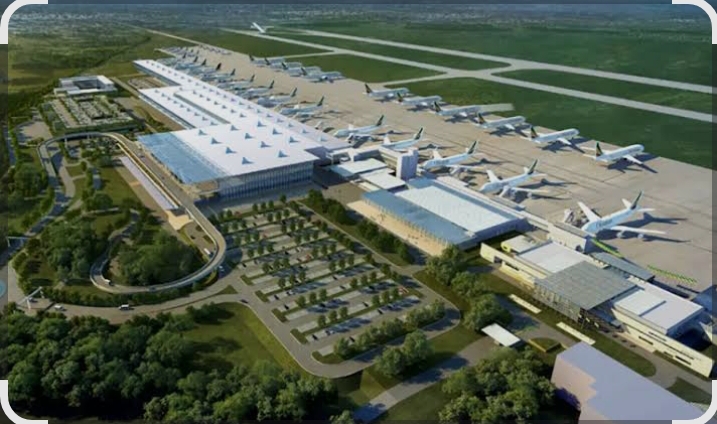
The scope of the project is vast. Plans include four runways, 270 aircraft parking bays, a modern passenger terminal, a cargo terminal with a capacity of 3 million metric tons annually, and a world-class maintenance, repair and overhaul (MRO) facility. The airport will also feature logistics parks, cold-chain storage facilities, aviation training centers, and commercial zones to support broader economic activity.
The architectural and technical design is being led by a consortium of international firms. Dar Al‑Handasah Consultants is overseeing master planning and advisory services, working alongside Zaha Hadid Architects. Dubai-based Sidara is handling runway layouts, terminal design, and aviation infrastructure, bringing experience from major airport projects in Dubai, Riyadh, and Istanbul.
The Ethiopian government has also outlined plans to develop an “airport city” surrounding Bishoftu, complete with residential, commercial, and hospitality infrastructure. A dedicated expressway and railway line will connect the airport to Addis Ababa, ensuring seamless access.
Ethiopian Airlines is currently in advanced discussions with the African Development Bank (AfDB) and other financial institutions to fund the multi-phase development. Financing will be a combination of loans, equity investments, and public-private partnerships.
The project is expected to create thousands of jobs and significantly boost Ethiopia’s position in global air transport, cargo logistics, and tourism.
Discover more from Ameh News
Subscribe to get the latest posts sent to your email.