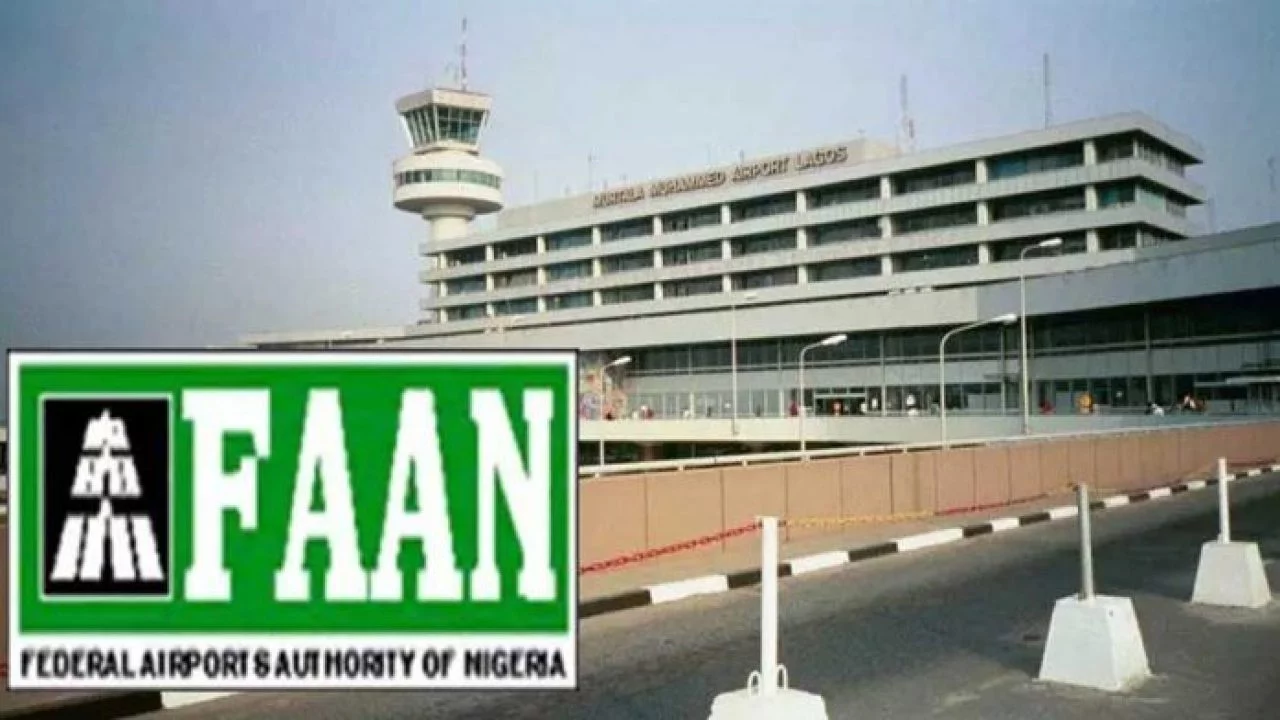
 The Murtala Muhammed International Airport (MMIA), Lagos, is on the verge of a historic transformation. The Federal Airports Authority of Nigeria (FAAN) has commenced a full-scale rehabilitation and expansion of the nearly 50-year-old Terminal 1 (T1), marking one of the most ambitious aviation infrastructure upgrades in Nigeria’s history.
The project, which will span 22 months, is expected to not only extend the structural lifespan of the terminal but also modernise its facilities to meet international aviation standards. Supervised by the Federal Ministry of Aviation and executed by China Civil Engineering Construction Corporation (CCECC), the upgrade is seen as a defining step in positioning Lagos as West Africa’s leading aviation hub.
Inside the Transformation: What’s Changing at MMIA
According to FAAN, the project will go far beyond a facelift. The rehabilitation plan is a complete reimagination of T1:
- Structural Reinforcement and Façade Upgrade: The old building will be stripped down to its concrete core, strengthened, and fitted with a new glass curtain wall, improving aesthetics, energy efficiency, and durability.
- Optimised Passenger Flow: Layout redesign will separate departing and arriving passengers, easing congestion and streamlining operations within the terminal.
- Systems Overhaul: Outdated electrical, plumbing, HVAC, baggage handling, and security systems will be replaced with modern, high-capacity facilities.
- Road and Access Upgrades: A redesigned road network will better connect Terminals 1 and 2, overcoming long-standing elevation challenges.
- Expansion of Terminal 2: The boarding finger and apron at T2 will be extended by 15,000 square metres, allowing more wide-body aircraft to be accommodated.
- Transit Hub Development: A dedicated transit area at T1 will be created for passengers connecting to regional flights—strengthening Lagos’s position as a gateway for West Africa.
- Temporary Departure Hall: An 8,000-square-metre hall will be built during the works, providing full departure services for 1,500 passengers per hour, including lounges, dining, and accessibility features.
- Landscape and Connectivity: A redesigned central square, a skywalk linking the car park to T2, and a new connection building between T1 and T2 will create a modern, unified airport complex.
Why the Upgrade Matters
Terminal 1, which opened in the late 1970s, has long been overdue for renewal. Years of heavy passenger traffic have taken their toll, leaving the building structurally weak, operationally outdated, and aesthetically unappealing.
FAAN officials say the project addresses three major challenges:
- Safety Risks: Reinforcement corrosion and structural ageing had raised concerns about long-term viability.
- Operational Inefficiency: The outdated layout limited passenger flow and aircraft operations, causing frequent congestion.
- Service Decline: Ageing systems led to unreliable services, from baggage handling to air conditioning, undermining Nigeria’s image to international visitors.
Currently, T1 can only handle about 500 passengers at peak hours. After the renovation, its capacity will soar to 3,840 passengers per hour. Combined with T2’s 3,200-passenger capacity, MMIA will be able to process an estimated 17.6 million passengers annually.
“This is not just an upgrade, it’s a complete transformation of Nigeria’s most important aviation gateway,” a senior FAAN engineer explained. “The new terminal will reflect international best practices and deliver the kind of travel experience Nigerians and visitors deserve.”
Impact on Passengers
During the 22-month closure of T1, FAAN has put alternative arrangements in place to ensure minimal disruption.
- Departures Relocated: All T1 departures will move to the new temporary hall adjacent to T2. The facility will have 20 check-in counters, baggage handling systems, and three departure gates.
- Arrivals Unchanged: Passenger arrivals will continue at T2, ensuring continuity.
- Passenger Assistance: FAAN has stationed staff across the terminals to guide travellers, while clear signage, real-time display boards, and public announcements will help passengers adjust to the changes.
- VIP & Business Services: Premium passengers will have access to upgraded lounges in both the temporary hall and T2, maintaining international service standards.
Travellers are advised to arrive at least three hours before departure and monitor FAAN’s social media, SMS alerts, and in-terminal information boards for real-time updates.
Cargo Operations Unaffected
Unlike passenger services, cargo operations at MMIA will continue without interruption. FAAN confirmed that cargo facilities operate in a dedicated zone with separate access roads and logistics systems, meaning imports and exports will not be disrupted during the project.
Businesses and Retail Spaces
For retailers and service providers, the future looks promising. After renovation, T1 will feature a redesigned commercial area with:
- Modern storefronts and signage.
- A curated mix of local and international retail and dining options.
- Passenger-focused layouts to boost access and sales.
- Cultural integration to showcase Nigerian heritage to global visitors.
Looking Ahead: The Future MMIA
When complete, MMIA will offer a world-class travel experience:
- Smarter security with modern screening and CCTV.
- Automated e-passport control and faster check-in.
- Expanded lounges and VIP services.
- Redesigned baggage claim areas for faster processing.
- Eco-conscious smart systems for energy efficiency.
- Cultural and leisure displays to enhance Nigeria’s image.
For many stakeholders, this upgrade signals more than an airport facelift, it’s about restoring confidence in Nigeria’s aviation sector.
“Every inconvenience now is an investment in the future,” FAAN noted in its statement. “We are building an airport that will stand as the pride of Nigeria, capable of competing with any international hub.”
Beyond Lagos: A National Vision
MMIA is not the only airport receiving attention. FAAN confirmed that upgrades are also underway at Kano, Port Harcourt, and other strategic airports across the country, as part of a nationwide aviation modernisation plan.
A Message to Passengers
FAAN urged passengers to remain patient during the transition period, stressing that the project represents a long-term vision for Nigerian aviation.
“We are reimagining the future of MMIA. The new airport will be safer, faster, smarter, and more comfortable. This is a once-in-a-generation upgrade that will transform every traveller’s experience,” FAAN assured.
For inquiries, FAAN can be reached at +23412800842 or contact@faan.gov.ng.
With this transformation, Lagos is preparing to redefine its role not just as Nigeria’s aviation gateway, but as West Africa’s premier international hub.
@2025 The Ameh News: All Rights Reserved
Discover more from Ameh News
Subscribe to get the latest posts sent to your email.