 A quiet but disruptive revolution is unfolding in Nigeria’s petroleum downstream sector. This time, the battleground is not the refinery gate but the highways.
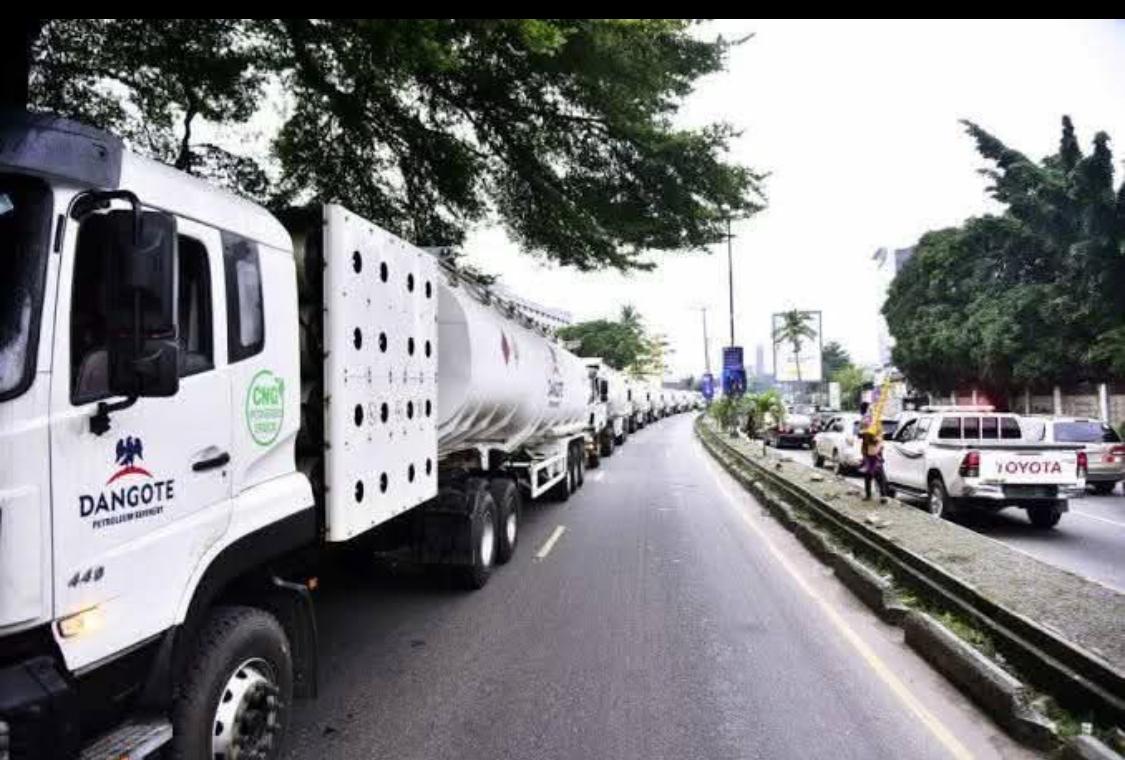
The National Union of Petroleum and Natural Gas Workers (NUPENG) has expressed outrage, threatening strike action over Aliko Dangote’s plan to directly hire more than 4,000 drivers for his new fleet of Compressed Natural Gas (CNG) trucks. At the heart of the tension is Dangote’s decision to bypass union involvement, allowing the drivers to work without compulsory membership of any transport association.
For decades, NUPENG’s leverage over Nigeria’s economy has been immense. Their power to ground fuel distribution through strikes often forced successive governments and oil marketers to make concessions. But Dangote’s move signals a structural shift that could permanently weaken that grip.
A New Model of Distribution
Dangote’s direct trucking strategy simplifies fuel retailing. Station owners will no longer need to buy and manage multiple trucks, hire and monitor drivers, pay for parking yards, or shoulder maintenance costs. Instead, they can simply build their stations, order products, make payments, and rely on Dangote’s trucks to deliver fuel to their doorsteps, anywhere in the country.
This approach lowers barriers to entry for entrepreneurs who want to invest in fuel stations but were discouraged by the heavy logistics burden. It also promises to reduce disruptions in the supply chain that Nigerians have long endured.
Expert Views on the Shift
Celestine Ukpong, a Lagos-based economist and investor-savvy analyst, described the development as “a game-changer.” According to him:
“What Dangote is doing is breaking an old monopoly. Fuel distribution in Nigeria has long been tied to vested interests and union control. By centralizing logistics under his own network of CNG trucks, he is not just cutting costs but also reducing systemic risks that often lead to scarcity. This move will democratize participation in the downstream sector.”
Transport analyst, Dr. Tunde Ojo, also weighed in, highlighting the broader economic implications:
“We are entering an era where efficiency, not union politics, will determine the flow of petroleum products. Dangote’s logistics approach eliminates redundancies and gives fuel marketers peace of mind. The ripple effect will be improved stability in pump prices and enhanced competitiveness for smaller retailers.”
The Decline of Old Power Structures
For NUPENG and allied transport owners, the threat is existential. Their historical role as gatekeepers of Nigeria’s fuel logistics is being dismantled by a private-sector innovation they may not be able to stop.
As one industry observer put it: “The time when they hold the country to ransom because of unrealistic demands is getting over, and I am glad I am alive to witness this.”
For the average Nigerian, the shift may mark the beginning of an end to fuel scarcity headaches tied to strikes and union disputes. For NUPENG, however, the message is blunt: the era of absolute control is fading, and the road ahead belongs to efficiency-driven models.
In the words of Ukpong: “It’s not just about trucks; it’s about the future of Nigeria’s fuel economy. And for NUPENG, it might indeed be game over.”
Discover more from Ameh News
Subscribe to get the latest posts sent to your email.