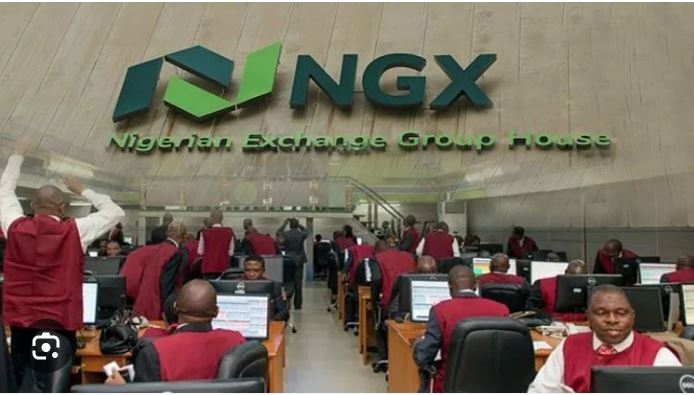
 Nigeria’s capital market is set for one of its most significant structural reforms in recent years as it officially transitions to a T+1 settlement cycle on 1 June 2026, a move expected to accelerate transaction finality, reduce systemic risk, and strengthen investor confidence across the market ecosystem.
The reform, approved by the Securities and Exchange Commission (SEC) and coordinated by the Central Securities Clearing System Plc (CSCS), marks a decisive shift in Nigeria’s post-trade infrastructure and aligns the market more closely with evolving global settlement standards.
Under the new system, securities traded on the Nigerian Exchange will now settle one business day after trade execution (T+1), replacing the previous longer settlement timeline. The change is expected to improve liquidity circulation, reduce counterparty exposure, and enhance overall market efficiency.
A Structural Shift in Market Operations
Market operators describe the transition as a watershed moment for Nigeria’s financial market architecture, reflecting years of incremental reforms in dematerialisation, automation, and digital settlement infrastructure.
The Central Securities Clearing System Plc (CSCS), acting as the central securities depository, has been at the forefront of implementation, working alongside trading platforms, registrars, custodians, dealing member firms, and trade associations to ensure operational readiness.
Ahead of the go-live date, the CSCS conducted extensive stakeholder engagement sessions, including industry-wide webinars with exchanges and trade associations. These sessions focused on system readiness, settlement simulations, and harmonisation of operational procedures across the market.
According to market participants, participating institutions have also undertaken internal system upgrades, workflow restructuring, and end-to-end testing to ensure a seamless transition.
CSCS: “A New Phase of Market Efficiency”
Speaking on the development, Mr Shehu Yahaya Shantali, Managing Director and Chief Executive Officer of CSCS, described the shift as a defining milestone in Nigeria’s capital market evolution.
“The transition to T+1 represents another important milestone in the evolution of Nigeria’s capital market infrastructure. It reflects the market’s readiness to embrace reforms that enhance efficiency, strengthen investor confidence, improve liquidity, and align Nigeria more closely with leading global markets,” he said.
He further emphasised that the success of the initiative reflects broad collaboration across the financial ecosystem:
“The successful implementation of T+1 is a product of extensive collaboration across the capital market ecosystem. We appreciate the commitment demonstrated by our regulator, Exchanges, Trade Associations, market operators, and the T+1 Implementation Plan Committee.”
Market analysts note that faster settlement cycles typically reduce credit and counterparty risks while improving capital turnover, particularly in emerging markets seeking to attract foreign portfolio investment.
SEC Reaffirms Regulatory Commitment
The Securities and Exchange Commission has reiterated that the transition forms part of its broader agenda to strengthen market integrity, transparency, and competitiveness.
The Commission noted that shorter settlement cycles are globally recognised as a benchmark of market sophistication, reflecting strong infrastructure, efficient clearing systems, and robust regulatory oversight.
It added that the T+1 framework is expected to support improved price discovery, faster reinvestment of capital, and enhanced investor participation across asset classes.
NGX to Host Closing Gong Ceremony
To formally mark the commencement of the new settlement regime, the Nigerian Exchange Group (NGX Group), in collaboration with CSCS, will host a Special Closing Gong ceremony on 1 June 2026 at the NGX House in Lagos.
The ceremony is expected to bring together regulators, capital market operators, institutional investors, trade associations, and other key stakeholders to commemorate the official launch of the T+1 settlement cycle.
Market stakeholders say the symbolic event underscores the significance of the reform as a coordinated industry-wide milestone rather than a standalone regulatory adjustment.
Driving Modernisation and Global Alignment
Nigeria’s transition to T+1 is part of a broader wave of post-trade modernisation efforts aimed at improving market infrastructure efficiency and strengthening the country’s position in global capital flows.
The CSCS noted that the reform builds on earlier milestones such as full dematerialisation of share certificates, automation of clearing processes, and expansion of digital investor services.
Industry observers believe the transition could enhance Nigeria’s attractiveness to international investors by reducing settlement delays and improving the predictability of trade execution and completion.
About CSCS:
The Central Securities Clearing System Plc (CSCS) is Nigeria’s central securities depository, with a diversified shareholder base that includes major financial institutions, investment firms, and the Nigerian Exchange Group.
It provides clearing, settlement, custody, and depository services across equities, bonds, commercial papers, ETFs, mutual funds, and other financial instruments. The institution is licensed and regulated by the Securities and Exchange Commission under applicable investment and securities legislation.
The organisation continues to play a central role in digitising Nigeria’s capital market infrastructure and improving post-trade efficiency through technology-driven solutions.
Nigeria’s capital market will transition to a T+1 settlement cycle on 1 June 2026, a major reform approved by the SEC and coordinated by CSCS to improve liquidity, reduce risk, and modernise post-trade infrastructure.
Discover more from Ameh News
Subscribe to get the latest posts sent to your email.