 In Nigeria, survival has often demanded innovation. What started in the 1990s as an emergency solution to make clean drinking water affordable—popularly called “pure water”—has since matured into a powerful consumer trend known today as the sachet economy.
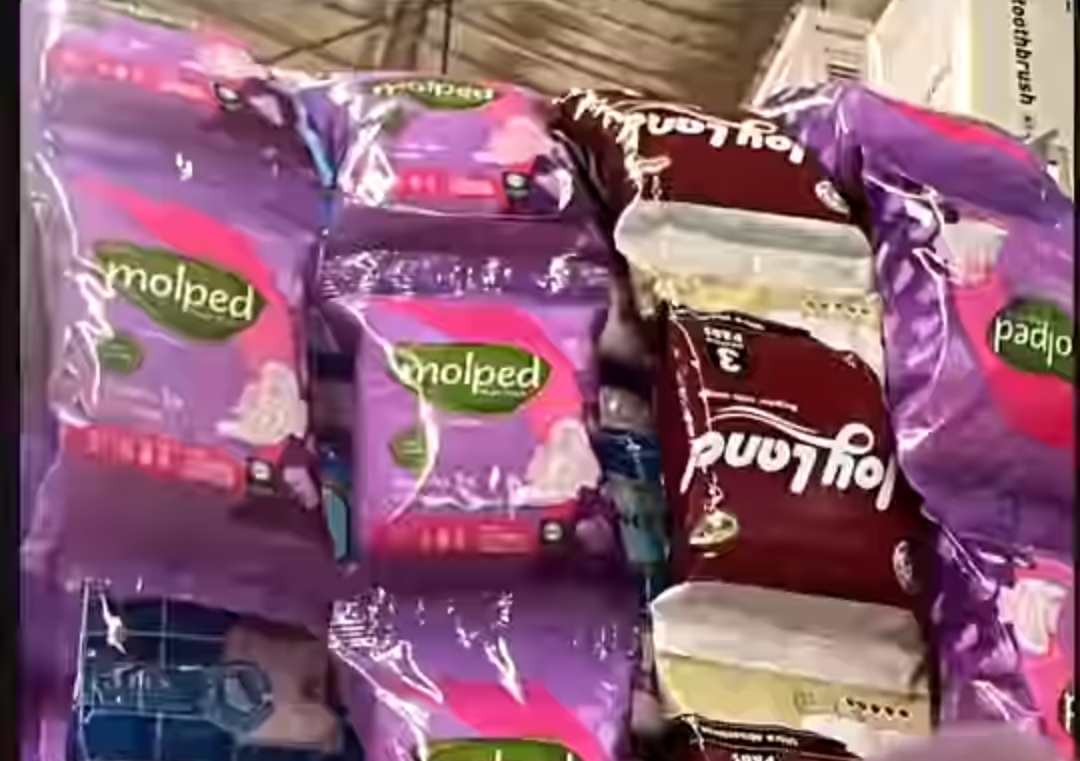
Across bustling markets in Lagos, kiosks in Kano, and street corners in Port Harcourt, sachets of milk, seasoning cubes, cooking oil, detergent, shampoo, and even alcoholic spirits dangle like colorful flags announcing their availability. For many Nigerians, these tiny packs represent more than just convenience—they are a lifeline.
A History Written in Small Packs
Sachet water first disrupted Nigeria’s consumer habits, replacing bottled water that was beyond the reach of the masses. The model quickly spread across industries. As economic pressures deepened and inflation eroded purchasing power, manufacturers adapted by breaking products into smaller, affordable units.
Today, sachets are not just about survival—they are embedded in everyday culture. For the average low-income earner, sachets make it possible to live one day at a time, with dignity and choice.
Expert Reflections on a Growing Trend
Economists describe the sachet economy as both a triumph and a paradox.
Dr. Ifeanyi Mordi, a consumer market analyst based in Abuja, explained:
“Sachets have democratized access to essential commodities. They represent innovation in the face of adversity. But the popularity of sachets also highlights weak purchasing power. Nigerians are consuming less not because they want to, but because they have to.”
For manufacturers, sachets remain a smart business strategy. They meet the demand of a large, price-sensitive market while ensuring constant turnover. But not without consequences.
Environmentalists warn that sachet plastics have become one of Nigeria’s biggest waste management challenges. According to Lagos-based sustainability advocate, Mrs. Halima Yusuf: 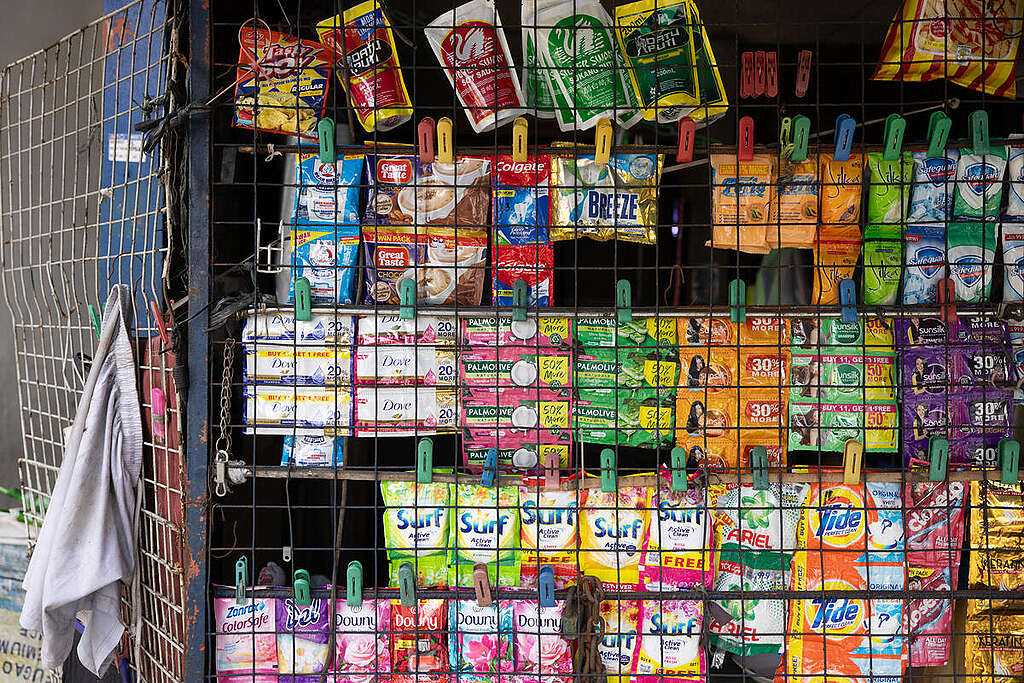
“The sachet economy has solved a human need but created an ecological problem. Every street corner, drainage, and landfill tells the story of plastic waste choking our cities.”
A Groove That Defines Consumer Life
Despite criticisms, the sachet economy continues to thrive and evolve. Telecom companies now sell data in sachet-like bundles—“N100 for 100MB”—mirroring the same affordability model. Financial services, too, are catching on, offering micro-loans and micro-savings in bite-sized packages.
For Celestine Ukpong, an investor and economist based in Lagos, the growth of the sachet economy represents the “groove of Nigerian resilience.”
“When people can’t afford in bulk, they still find a way to participate in the economy. Sachets reflect grit, adaptation, and the will to keep moving forward. It is both survival and creativity at play.”
The Double-Edged Future
As Nigeria pushes towards a $1 trillion economy ambition, the sachet model raises questions: Will Nigerians ever graduate from buying in bits to buying in bulk? Or has the sachet economy become a permanent feature of consumer life?
For now, one truth stands clear—Nigeria’s sachet economy has grown up, no longer just a stopgap for the poor but a groove that defines how a nation eats, drinks, washes, and survives, one small pack at a time.
Discover more from Ameh News
Subscribe to get the latest posts sent to your email.