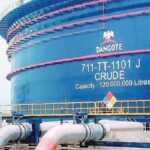
 Nigeria’s domestic fuel pricing has recorded a significant shift, with authorities claiming that the country now enjoys petrol prices that are about 50 per cent lower than the global average, following improvements in local refining capacity and downstream sector reforms.
This was disclosed by the Chairman of the Nigeria Revenue Service (NRS), Zacch Adedeji, during the commissioning of the agency’s newly completed headquarters.
Adedeji attributed the development to the growing effectiveness of local refineries and policy reforms aimed at reducing dependence on imported petroleum products. According to him, increased local production has helped stabilise supply, ease market pressure, and significantly reduce the burden of fuel scarcity that previously affected commuters and businesses nationwide.
“Globally, today we are 50% lower than the price, and that’s because you allow local refineries to work. Thank you, Mr President, that we don’t have a queue today,” he said.
Improved Supply and End of Fuel Queues
The NRS chairman noted that one of the most visible outcomes of the ongoing reforms is the absence of long fuel queues, a recurring challenge in Nigeria’s fuel distribution history. He said the improvement reflects better coordination in the downstream petroleum value chain and increased domestic supply capacity.
He further explained that enhanced local refining has reduced Nigeria’s reliance on foreign exchange for fuel imports, helping to ease pressure on the naira while improving product availability across retail outlets.
Policy Reforms Driving Energy Stability
Adedeji commended the current administration’s policy direction, particularly efforts to encourage private sector participation in refining and petroleum distribution. He said these measures are gradually reshaping Nigeria’s energy landscape and strengthening long-term energy security.
According to him, the reforms are not only stabilising fuel supply but also improving efficiency in the petroleum market, with positive spillover effects on transportation costs and broader economic activity.
Broader Economic Implications
Stakeholders have continued to monitor the impact of deregulation and rising local refining output on inflation, transport fares, and household energy costs. While prices remain a sensitive issue for consumers, government officials argue that improved domestic production is key to long-term price stability and economic resilience.
The commissioning of the new NRS headquarters also signals ongoing institutional strengthening within Nigeria’s revenue administration framework, as authorities push for improved efficiency in tax collection and fiscal management.
Nigeria’s fuel price is now about 50% lower than the global average due to improved local refining, says NRS Chairman Zacch Adedeji at the commissioning of the agency’s new headquarters, highlighting reforms that have ended fuel queues and strengthened supply stability.
Discover more from Ameh News
Subscribe to get the latest posts sent to your email.