 Africa’s leading industrialist, Aliko Dangote, has publicly endorsed Uganda’s latest economic policy direction, praising President Yoweri Museveni for imposing a ban on the export of unprocessed minerals — a move aimed at strengthening local value addition and industrial transformation across the country.
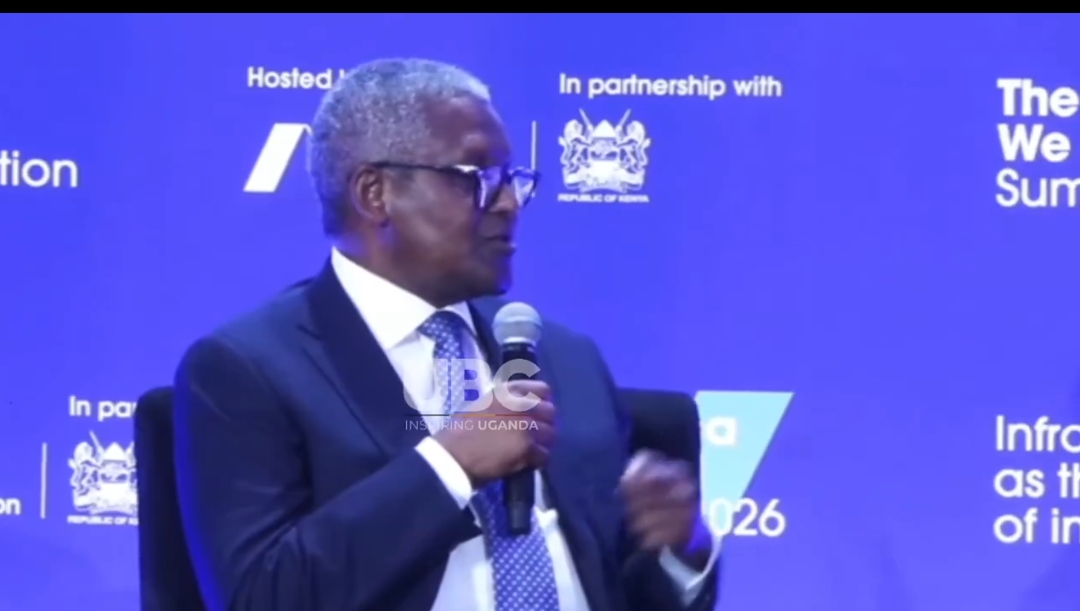
Dangote made the remarks during a high-level engagement reported by Uganda Broadcasting Corporation (@ubctvuganda), where he described the policy as “bold, strategic, and necessary” for Africa’s long-term economic independence.
According to him, the continent has for too long exported raw commodities while importing refined products at significantly higher costs, a structural imbalance he said must be urgently corrected through industrial investments and policy discipline.
Push for Value Addition Across Africa
Dangote stressed that Uganda’s decision reflects a growing shift among African economies toward resource beneficiation — processing raw materials locally to create jobs, boost GDP, and retain more value within national economies.
He noted that such policies are essential if Africa is to fully benefit from its vast mineral wealth, adding that industrialisation remains the most sustainable path to economic transformation.
Refinery Expansion Plan for East Africa
In a major investment signal, the President of the Dangote Group revealed plans to expand his industrial footprint into East Africa, pledging to establish a refinery modelled after the Dangote Refinery in Nigeria.
He assured both President Museveni and regional stakeholders that the group is prepared to replicate its downstream petroleum investment success in the region, provided there is sustained policy support, regulatory stability, and a conducive investment climate.
“We will build a similar refinery in East Africa like the one we have in Nigeria,” Dangote stated, reinforcing his long-standing commitment to Africa’s industrial development.
Economic Implications for the Region
Analysts say the proposed refinery could significantly reshape East Africa’s energy landscape by reducing reliance on imported refined petroleum products, improving energy security, and creating thousands of direct and indirect jobs.
Economists also note that the project aligns with the broader objectives of the African Continental Free Trade Area (AfCFTA), which seeks to deepen intra-African trade through industrial expansion and regional value chains.
Uganda’s mineral export restriction, combined with potential downstream investments from private sector giants like Dangote, is being viewed as part of a wider continental shift toward “resource-driven industrialisation.”
Strategic Confidence in Africa’s Industrial Future
Dangote’s endorsement of Uganda’s policy direction underscores growing investor confidence in Africa’s evolving industrial strategy, particularly in markets pursuing reforms that prioritise local production over raw exports.
If successfully implemented, his proposed East African refinery could become a landmark project in the region’s industrial development journey, reinforcing Africa’s push toward economic self-sufficiency.
Aliko Dangote supports Uganda’s ban on unprocessed mineral exports and signals plans to build a major refinery in East Africa, highlighting growing momentum for industrialisation and value addition across the continent.
Discover more from Ameh News
Subscribe to get the latest posts sent to your email.