 No Quick Fix for Nigeria’s Power Crisis, But Transparent Reforms Will Deliver Results — Minister-Designate Joseph Tegbe
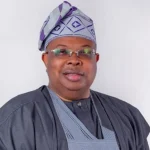
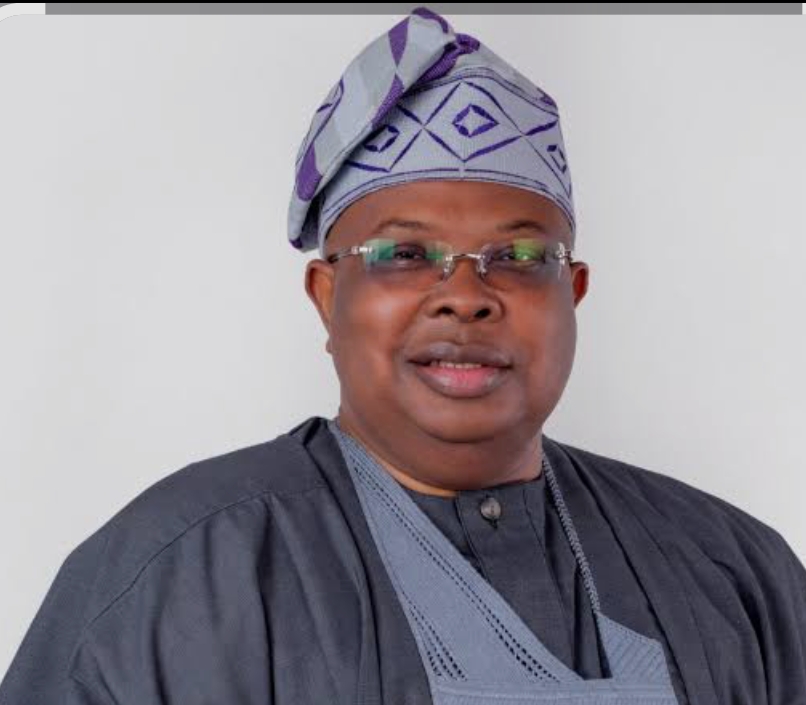
Nigeria’s Minister-designate for Power, Joseph Olasunkanmi Tegbe, has declared that there is no immediate solution to the nation’s long-standing electricity crisis, but assured Nigerians that his administration would pursue transparent, disciplined and measurable reforms aimed at restoring confidence and stability across the power sector.
Tegbe made the remarks during his Senate screening on Wednesday, May 6, 2026, where he addressed the persistent structural weaknesses affecting Nigeria’s electricity value chain, including repeated national grid collapses, inadequate transmission infrastructure, poor metering penetration, tariff controversies and declining consumer trust.
Speaking candidly before lawmakers, the former Director-General of the Nigeria-China Strategic Partnership (NCSP) stated that while Nigerians were understandably frustrated by years of unreliable electricity supply, sustainable progress would only come through honest engagement, institutional reforms and execution discipline.
“We will not do things the way we used to do before. I will not promise what I cannot deliver. We must close the metering gap and ensure Nigerians can track performance through a transparent public dashboard,” Tegbe stated.
The Minister-designate stressed that Nigerians deserve a power sector built on accountability and measurable outcomes rather than political promises.
According to him, his reform agenda would focus on strengthening transmission systems, reducing system disturbances, accelerating nationwide metering, restoring investor confidence and improving gas supply to generation companies.
“We understand the issues. What is needed now is honest engagement and firm execution. We will tell Nigerians the truth. We must reduce system disturbances and strengthen transmission. Tariffs must reflect service, and service must justify tariffs. We must close the trust gap between operators and citizens,” he added.
Tegbe further explained that broader reforms aimed at restoring sector credibility and operational efficiency are expected to begin yielding visible outcomes within the first year of implementation.
His remarks appear to contradict some reports in sections of the national media claiming he promised to “fix Nigeria’s power sector within 100 days.” Rather, during the screening, Tegbe repeatedly emphasised realistic timelines, transparent governance and gradual but measurable reforms aligned with the Federal Government’s Renewed Hope Agenda.
Industry observers say the comments signal a departure from previous overly ambitious projections that often failed to materialise, leaving consumers and investors disillusioned.
Stakeholders React
Reactions from industry stakeholders and analysts monitored by The Ameh News indicate cautious optimism over Tegbe’s approach, particularly his emphasis on transparency, accountability and institutional restructuring.
Akin Olaniyan, a veteran journalist, Lagos Business School lecturer and leadership coach with more than three decades of media experience, described Tegbe’s comments as “refreshingly realistic.”
According to Olaniyan, the power sector requires “competent execution rather than emotional promises,” noting that the minister-designate’s refusal to offer unrealistic timelines demonstrates a clearer understanding of the industry’s complexities.
“Nigeria’s electricity challenges are deeply structural. Any leader who promises instant miracles may be setting the public up for disappointment. Tegbe’s emphasis on measurable progress and transparency is a more credible governance approach,” he said.
Economist Celestine Ukpong also noted that investor confidence in the sector can only improve if reforms are implemented consistently and transparently.
Ukpong argued that the Nigerian power sector suffers not only from infrastructure deficits but also from weak institutional confidence, policy inconsistency and inadequate financial sustainability.
“The issue is beyond generation alone. Transmission, liquidity, gas supply and collection efficiency all matter. If Tegbe succeeds in improving transparency and operational discipline, that alone could unlock significant investment confidence,” he explained.
For public relations expert and founder of Henryjvaleens, Ejike Nduilo, public communication will be critical to the success of any reform programme.
He said Nigerians have become increasingly sceptical due to years of unmet expectations in the sector.
“Trust is the missing currency in the power sector. The minister-designate’s idea of a public performance dashboard could become a major accountability tool if properly implemented,” Nduilo noted.
Similarly, financial analyst and chartered accountant Peter Adebayo observed that tariff reforms must be tied directly to service delivery improvements.
According to him, consumers are more likely to accept pricing adjustments when there is visible evidence of improved electricity supply, metering and network stability.
Extensive Experience Across Governance and Reform Institutions
Tegbe brings decades of private and public sector experience into the power ministry.
Widely recognised for his performance as Director-General of the Nigeria-China Strategic Partnership and Chairman of the National Tax Policy Implementation Committee (NTPIC), he possesses more than 30 years of professional experience spanning consulting, governance reforms, taxation and institutional restructuring.
An alumnus of Lagos Business School, INSEAD, Harvard Kennedy School and Harvard Business School, Tegbe began his career as a civil engineer before rising through the ranks at KPMG�.
He is also a Fellow of the Institute of Chartered Accountants of Nigeria (FCA), Fellow of the Chartered Institute of Taxation (FCIT), and Certified in Governance Enterprise IT (CGEIT).
Industry insiders note that his previous engagements with institutions such as the Nigerian Electricity Regulatory Commission and the Nigerian Bulk Electricity Trading Company may provide strategic institutional understanding needed to navigate the sector’s longstanding operational and regulatory bottlenecks.
As Nigerians continue to grapple with unstable electricity supply and economic pressures linked to energy costs, expectations are mounting over whether the incoming administration can finally deliver the reforms needed to stabilise Africa’s largest electricity market.
Nigeria’s Minister-designate for Power, Joseph Tegbe, says there is no quick fix to the nation’s electricity crisis, pledging transparent reforms, improved metering, grid stability and measurable progress in the power sector.
Discover more from Ameh News
Subscribe to get the latest posts sent to your email.