 Fresh controversy is trailing plans by the Nigerian National Petroleum Company Limited (NNPC Ltd) to concede a potential majority stake in the Port Harcourt and Warri refineries to Chinese investors under an NLNG-style equity partnership, reopening national conversations around ownership of strategic assets that were historically denied to Nigerian investors.
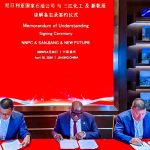
The development, according to the report which has sparked intense reactions across economic, media, and policy circles, follows the signing of a Memorandum of Understanding between NNPC Limited and Chinese firms Sanjiang Chemical Company Limited and Xinganchen (Fuzhou) Industrial Park Operation and Management Co., Ltd for what was described as a “potential technical equity partnership.”
The Ameh News recall the agreement was signed in Jiaxing City, China, on April 30, 2026, by NNPC Group Chief Executive Officer Bayo Ojulari, Chairman of Sanjiang Chemical Company Guan Jianzhong, and Chairman of Xinganchen Industrial Park Operation and Management Co. Ltd Bill Bi.
Industry sources familiar with the arrangement disclosed that the proposed framework could hand the Chinese consortium approximately 51 per cent equity ownership in the Port Harcourt and Warri refineries, alongside operational and governance rights under a structure similar to that of Nigeria LNG Limited.
The report has triggered renewed scrutiny over how Nigeria manages strategic national assets, especially considering that previous attempts by indigenous investors to acquire or significantly participate in refinery ownership reportedly faced resistance on political and institutional grounds.
Economic analysts recalled the controversial 2007 sale of the Port Harcourt and Kaduna refineries to the Bluestar Consortium — a deal involving Nigerian business interests linked to billionaire industrialist Aliko Dangote and prominent entrepreneur Femi Otedola. The transaction was later reversed by the late President Umaru Musa Yar’Adua following public backlash and concerns over transparency.
Years later, despite repeated refinery failures and billions of dollars spent on turnaround maintenance, the refineries remained under state control while discussions around privatisation continued to generate political resistance.
Ironically, many observers say Nigeria now appears prepared to cede majority ownership of the same assets to foreign investors after years of rejecting local participation.
Reacting to The Ameh News inquiry, economist Celestine Ukpong described the proposed arrangement as both an economic opportunity and a sovereignty test for Nigeria.
According to Ukpong, “The central issue is not whether foreign investors should participate, but whether Nigeria negotiated from a position of strength or desperation. If indigenous investors were once denied ownership opportunities in the name of national interest, then the government must explain why majority foreign ownership is now acceptable.”
He added that Nigeria’s refining failures had become “a costly economic embarrassment” that continued to drain public resources and worsen pressure on foreign exchange reserves through fuel import dependence.
Veteran journalist, leadership coach, and Lagos Business School lecturer Dr Akin Olaniyan said the unfolding development reflects deeper governance inconsistencies in Nigeria’s public asset management framework.
“For decades, Nigerians were told that the refineries were strategic national assets that could not be sold. Today, the same national assets may end up under foreign majority control because the country failed to build operational discipline and transparency around them,” Olaniyan stated.
He argued that the public deserves clarity on the valuation methodology, governance structure, and long-term implications of the deal, warning that poor communication could fuel distrust and nationalistic backlash.
Financial expert and chartered accountant Peter Adebayo noted that while the proposed equity structure could attract technical competence and capital injection, it also raises concerns about whether Nigeria is extracting optimal long-term value from distressed national assets.
Adebayo said, “Investors anywhere in the world seek controlling stakes when they are taking significant risks. The real question is whether Nigeria exhausted local investment options before opening the door to majority foreign ownership. There must also be strict accountability provisions to protect national interest.”
He stressed that operational efficiency alone should not overshadow strategic economic considerations, especially in critical sectors tied to national energy security.
Public relations strategist and founder of Henryjvaleens, Dr Ejike Nduilo, said the optics of the proposed deal could become a major communication challenge for the Federal Government and NNPC if transparency is not prioritised.
“This is beyond oil and gas; it is a perception and trust issue. Nigerians remember years of official narratives that these assets were too strategic to privatise. Government must now communicate why foreign majority participation has become necessary and what safeguards exist to protect national interest,” Nduilo stated.
He added that public scepticism could intensify if citizens perceive that local investors were historically excluded while foreign entities are now being welcomed into strategic ownership positions.
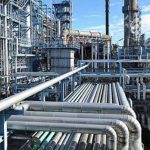
The Port Harcourt and Warri refineries have consumed billions of dollars in rehabilitation funding over the years with limited operational success, despite multiple turnaround maintenance exercises under successive administrations.
The emergence of the privately owned Dangote Petroleum Refinery has further intensified pressure on state-owned refineries to either become commercially viable or adopt new ownership and operational structures.
Energy sector stakeholders say the proposed Chinese partnership may represent a major turning point in Nigeria’s downstream petroleum industry, potentially redefining the future of public-private partnerships, refinery ownership, and foreign participation in strategic infrastructure.
However, analysts insist that transparency, accountability, public communication, and protection of national interest will determine whether the arrangement is viewed as a pragmatic economic rescue or a surrender of strategic national assets.
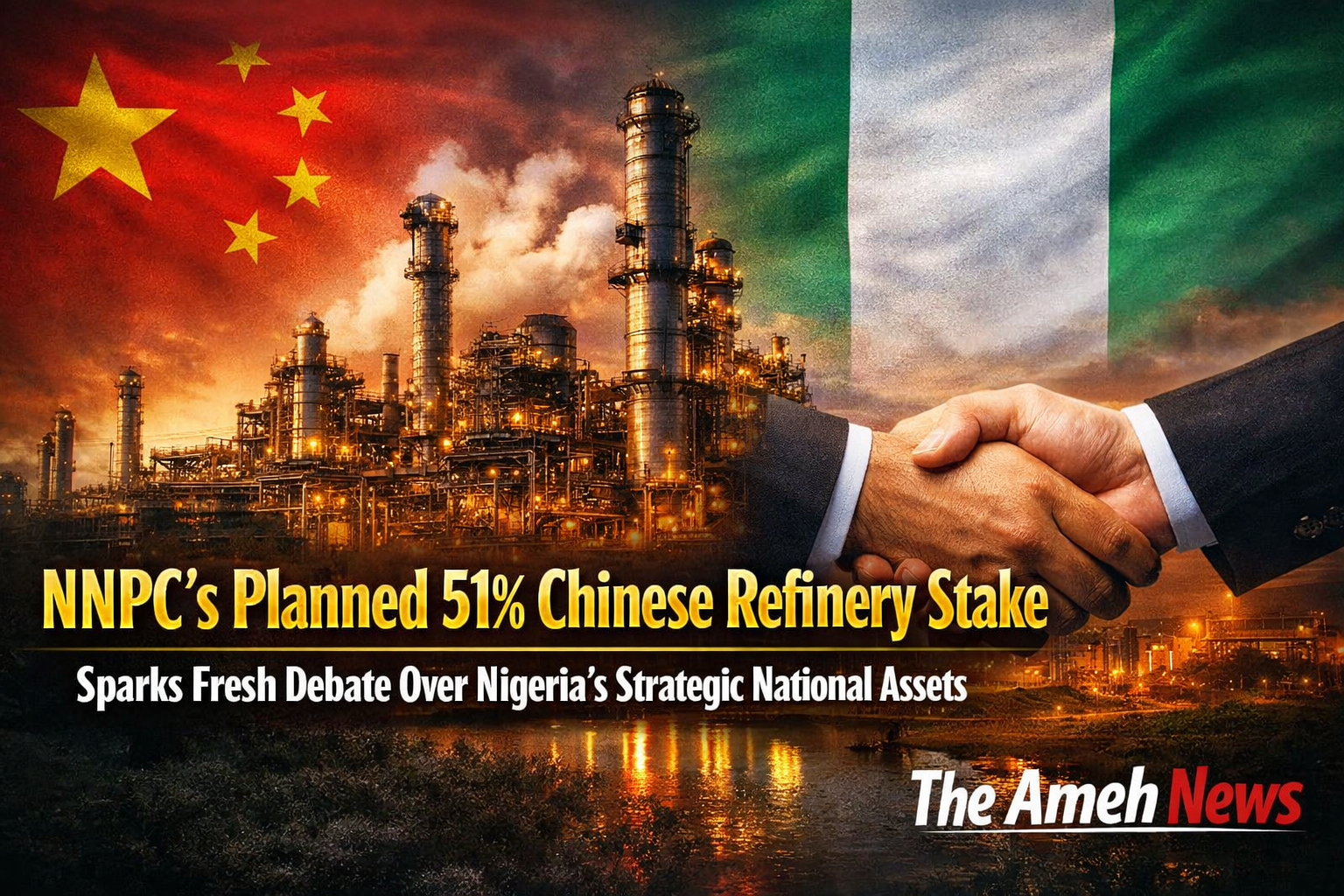
NNPC’s proposed NLNG-style partnership with Chinese firms for Port Harcourt and Warri refineries has reignited debate over strategic national assets once denied to Nigerian investors.
Discover more from Ameh News
Subscribe to get the latest posts sent to your email.