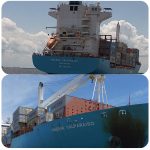
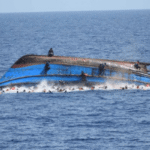
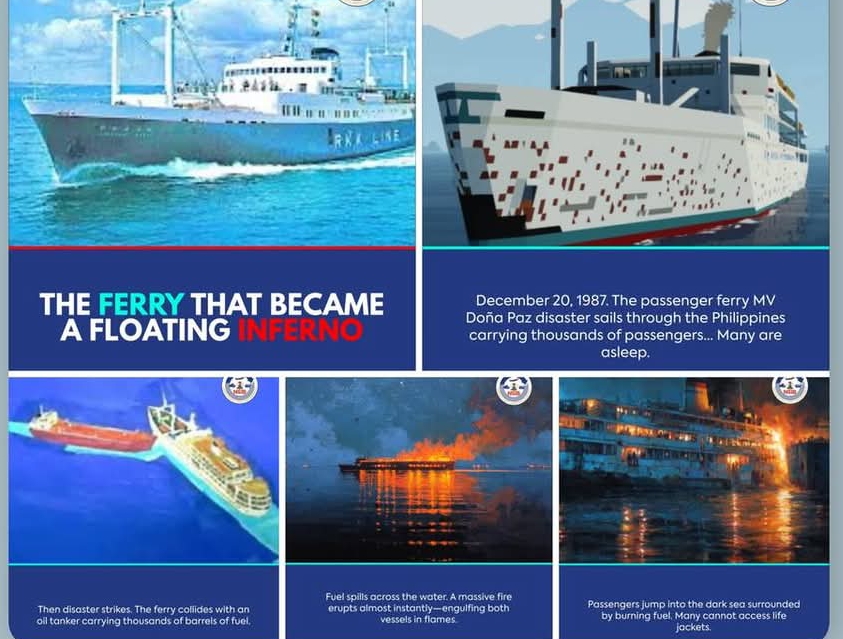
 The Nigerian Safety Investigation Bureau (NSIB) has reiterated the importance of strict maritime safety compliance while reflecting on one of the world’s deadliest sea tragedies, the 1987 collision between the passenger ferry MV Doña Paz and the oil tanker MT Vector, as fresh concerns have emerged over recent incidents such as the reported Onne Port collision, which has once again exposed gaps in Nigeria’s maritime safety system.
According to the NSIB statement, the 1987 disaster in the Philippines remains the deadliest peacetime maritime accident in recorded history. The overcrowded ferry, carrying thousands of passengers—many reportedly asleep at the time—collided with a tanker, triggering a massive fire that engulfed both vessels. Investigations later revealed systemic failures including overloading, weak emergency preparedness, poor communication protocols, and regulatory lapses. More than 4,000 lives were lost, with only 26 survivors.
The Bureau, in its reflection, emphasised that such tragedies are rarely isolated events but the result of cumulative safety breakdowns. The Bureau stressed that maritime transport systems must maintain strict enforcement of capacity limits, operational discipline, and emergency readiness to prevent avoidable disasters.
NSIB Reacts to Onne Port Collision Report
Reacting to recent reports of a collision incident at Onne Port, which stakeholders say highlights persistent safety gaps in Nigeria’s maritime operations, NSIB noted that such occurrences reinforce the urgency of strengthening accident investigation visibility and regulatory enforcement across the sector.
The Bureau stated that incidents within port environments must be treated with the same level of seriousness as aviation occurrences, especially in terms of investigation transparency, safety recommendations, and enforcement follow-up.
According to NSIB, improving maritime safety requires not only incident response but also a structured system of prevention, data-driven risk analysis, and stronger collaboration with port authorities and operators.
Industry observers have also called for NSIB to have greater operational visibility in the maritime sector, similar to its role in aviation safety investigations, arguing that consistent oversight and public reporting would help close long-standing safety gaps.
The stakeholders noted that “NSIB Links Doña Paz Tragedy to Onne Port Collision” raises an important question about the practical impact of historical safety lessons on Nigeria’s modern maritime system.
While the 1987 MV Doña Paz disaster and the recent Onne Port collision are separated by nearly four decades, the key concern is whether lessons from such global tragedies are being effectively translated into measurable safety improvements within Nigeria’s water transportation ecosystem.
 Critics argue that revisiting historical disasters alone is not enough unless it is backed by structured learning outcomes, operator sensitisation, and enforceable compliance mechanisms. Without this, safety discussions risk becoming repetitive narratives rather than actionable reforms.
There are also concerns about the level of awareness among maritime operators regarding landmark global incidents such as the Doña Paz tragedy. Questions remain about how many operators on Nigeria’s waterways are familiar with such case studies, and whether these lessons are formally embedded in training, licensing, and operational standards.
They are calling on the Nigerian Safety Investigation Bureau (NSIB) management to move beyond periodic flashbacks to past disasters and instead deepen its role in modern maritime safety education. This includes translating investigation findings into continuous learning tools, improving industry-wide awareness, and strengthening enforcement frameworks that prevent recurrence.
Ultimately, the issue is not only about recalling past tragedies, but about ensuring they actively shape present-day behaviour, regulation, and accountability within Nigeria’s maritime sector.
Expert Reactions: Leadership, Economics, and Systemic Risk
Reacting to The Ameh News inquiry on both the Doña Paz reflection and the Onne Port incident, Dr Akin Olaniyan, a veteran journalist with over three decades of experience, Lagos Business School (LBS) lecturer, and leadership coach, described both cases as evidence of “systemic safety fatigue” in transport governance.
He warned that “when enforcement becomes inconsistent, operators gradually adjust to risk. Over time, what should be exceptions become normal practice.”
Dr Olaniyan further emphasised that maritime safety requires “visible accountability structures” and continuous leadership commitment, noting that investigations must translate into enforceable reforms rather than archived reports.
Also speaking, Celestine Ukpong, an economist, linked recurring maritime safety challenges to structural inefficiencies and weak incentive systems within port operations.
He stated that “the economic pressure on logistics chains often leads to shortcuts in safety compliance, especially when enforcement is perceived as weak or irregular.”
Ukpong called for stronger regulatory deterrence, arguing that safety compliance must be economically rational for operators, not optional or negotiable.
NSIB’s Position
The NSIB through its social media handling maintained that the lessons from the MV Doña Paz disaster remain globally relevant and should inform Nigeria’s approach to maritime safety oversight, particularly in light of recent incidents such as the Onne Port collision.
The Bureau emphasised the need for stronger inter-agency collaboration, improved investigative visibility, and sustained safety culture reforms across Nigeria’s ports and waterways.
NSIB revisits the MV Doña Paz disaster while responding to the reported Onne Port collision, warning of maritime safety gaps. Experts Dr Akin Olaniyan and economist Celestine Ukpong call for stronger enforcement, visibility, and regulatory reform in Nigeria’s maritime sector.
Discover more from Ameh News
Subscribe to get the latest posts sent to your email.