By The Ameh News
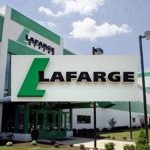
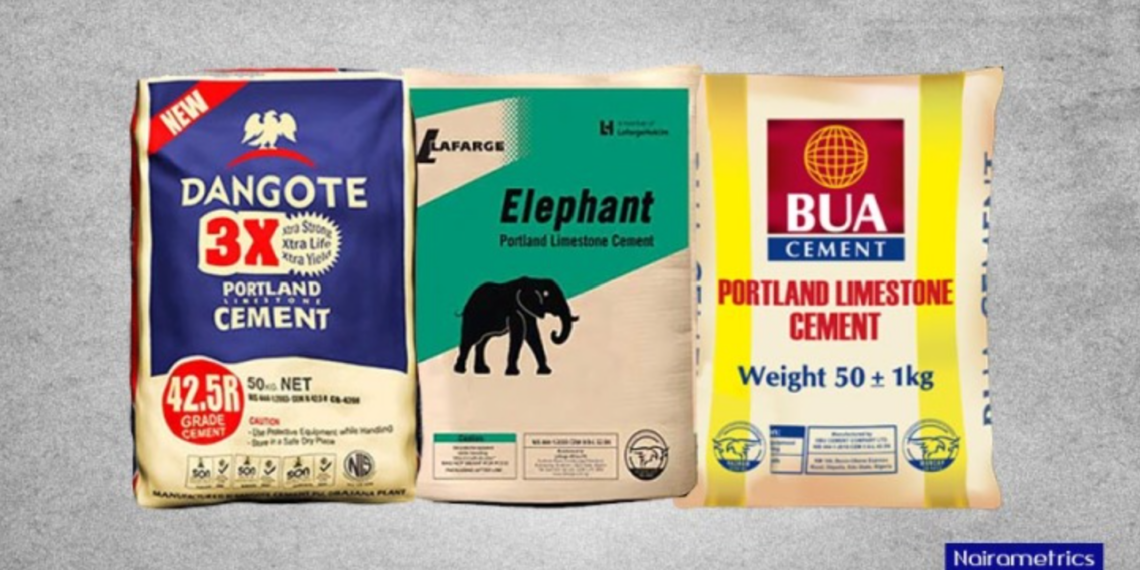 Nigeria’s cement industry is entering a new era following the completion of the approximately $1 billion acquisition of an 83.81 per cent controlling stake in Lafarge Africa Plc by Chinese cement giant Huaxin Cement Co. Ltd. from Switzerland-based Holcim Group.
The transaction, which received the necessary regulatory approvals, including clearance by the Nigerian Senate where applicable to the divestment process, is no longer a proposed investment but a completed change in ownership.
The acquisition instantly transforms Huaxin from a foreign investor into a major player in one of Africa’s largest cement markets.
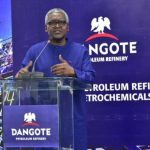
With Lafarge Africa accounting for roughly 18 per cent of Nigeria’s cement market, Huaxin now joins an industry traditionally led by Dangote Cement, with about 50 per cent market share, and BUA Cement, with approximately 32 per cent.
The development introduces one of China’s biggest industrial manufacturers into a market that has long been dominated by domestic champions and has often faced public criticism over persistently high cement prices.
A Billion-Dollar Bet on Nigeria
Rather than building factories from scratch, Huaxin has acquired an established national business.
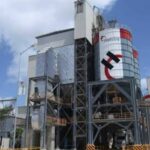
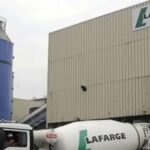
Its purchase includes Lafarge Africa’s cement manufacturing plants, extensive distribution network, limestone reserves, technical workforce, and customer base.
The acquisition demonstrates growing international confidence in Nigeria’s long-term construction and infrastructure potential despite macroeconomic challenges.
With Nigeria facing a housing deficit estimated in the millions of units and governments at all levels investing in roads, railways, bridges and industrial infrastructure, demand for cement remains strategically important.
Industry analysts say Huaxin’s investment reflects confidence that Nigeria will remain one of Africa’s fastest-growing construction markets over the coming decades.
Competition Could Intensify
The Nigerian cement industry has historically been highly concentrated, with three companies controlling virtually the entire market.
The arrival of Huaxin introduces another globally experienced industrial operator with substantial financial resources and international manufacturing expertise.
Although Huaxin has not announced any plan to reduce cement prices, analysts say increased competition could influence future pricing, operational efficiency, product innovation and customer service.
Whether prices eventually fall will depend on several factors, including energy costs, exchange rates, transportation expenses, taxes, production efficiency and market demand.
What the Acquisition Means for Nigerians
For millions of Nigerians planning to build homes, schools, hospitals and commercial properties, the biggest question is whether stronger competition will eventually translate into lower construction costs.
Cement remains one of the largest cost components in residential construction.
Should competition increase production efficiency and strengthen distribution networks, consumers could benefit through:
More competitive pricing.
Improved nationwide availability.
Better dealer incentives.
Faster product delivery.
Increased production capacity.
More investment in local manufacturing.
Any sustained moderation in cement prices would also reduce costs for government infrastructure projects and private real estate developments.
Experts Weigh In
Responding to questions from The Ameh News, economist Celestine Ukpong described the acquisition as a significant vote of confidence in Nigeria’s manufacturing sector.
According to him, foreign direct investment of this magnitude demonstrates that international industrial companies continue to see long-term opportunities in Nigeria despite current economic challenges.
Ukpong noted that while many Nigerians expect immediate reductions in cement prices, market outcomes would depend largely on competitive strategies rather than ownership changes alone.
He said increased rivalry could encourage efficiency improvements, innovation and better customer value, but pricing would still reflect production costs, exchange rate movements and energy prices.
He added that stronger competition generally benefits consumers over the long term because firms become more focused on productivity instead of relying solely on market dominance. Speaking with The Ameh News, Dr. Ejike Nduilo said Huaxin’s acquisition should be viewed beyond the immediate ownership transition.
He explained that the transaction introduces another multinational industrial competitor with experience operating across different global markets.
According to him, competition often stimulates operational excellence, investment in technology, logistics improvements and stronger customer engagement.
He observed that the entry of another major international player could encourage all industry participants to become more efficient in order to protect and expand their market positions.
Nduilo added that the ultimate beneficiaries of healthy market competition are consumers and the broader economy.
Financial analyst Peter Adebayo told The Ameh News that the transaction sends a positive signal to international investors about Nigeria’s investment climate.
He noted that large-scale acquisitions are usually undertaken only after extensive commercial, legal and financial due diligence.
According to him, Huaxin’s willingness to commit about $1 billion reflects confidence in Nigeria’s long-term industrial potential.
Adebayo said investors would now closely monitor Huaxin’s capital expenditure plans, production expansion strategy and operational improvements over the coming years.
A Strategic Shift for Africa
Beyond Nigeria, the acquisition strengthens Huaxin’s African expansion strategy.
China has increasingly invested across Africa’s infrastructure, mining, manufacturing and industrial sectors.
The Lafarge Africa acquisition gives Huaxin a strategic manufacturing base in West Africa, positioning it to benefit from regional construction demand under the African Continental Free Trade Area (AfCFTA).
Market Outlook
Industry observers believe the acquisition marks one of the most important structural developments in Nigeria’s manufacturing sector in recent years.
While consumers may hope for immediate price reductions, analysts caution that market pricing depends on several economic variables beyond ownership alone.
Nevertheless, Huaxin’s arrival introduces fresh competitive dynamics into Nigeria’s cement industry.
How aggressively the company pursues market expansion, investment and pricing strategies will become clearer over the coming months.
For now, one thing is certain: Nigeria’s cement industry has entered a new chapter, with one of China’s largest cement producers now firmly established in Africa’s biggest economy.
Key Takeaways
Huaxin Cement has completed the $1 billion acquisition of an 83.81% stake in Lafarge Africa Plc.
The company instantly becomes Nigeria’s third-largest cement producer with about 18% market share.
Dangote Cement retains roughly 50%, while BUA Cement holds about 32%.
Analysts say the acquisition could intensify competition and encourage greater efficiency, though there is no official indication that Huaxin plans to cut cement prices.
The transaction is viewed as a strong vote of confidence in Nigeria’s long-term manufacturing and infrastructure sectors.
China’s Huaxin Cement has completed a $1 billion acquisition of an 83.81% stake in Lafarge Africa, becoming Nigeria’s third-largest cement producer. Experts say the deal could intensify competition, attract fresh investment and potentially influence cement
Discover more from Ameh News
Subscribe to get the latest posts sent to your email.