By The Ameh News
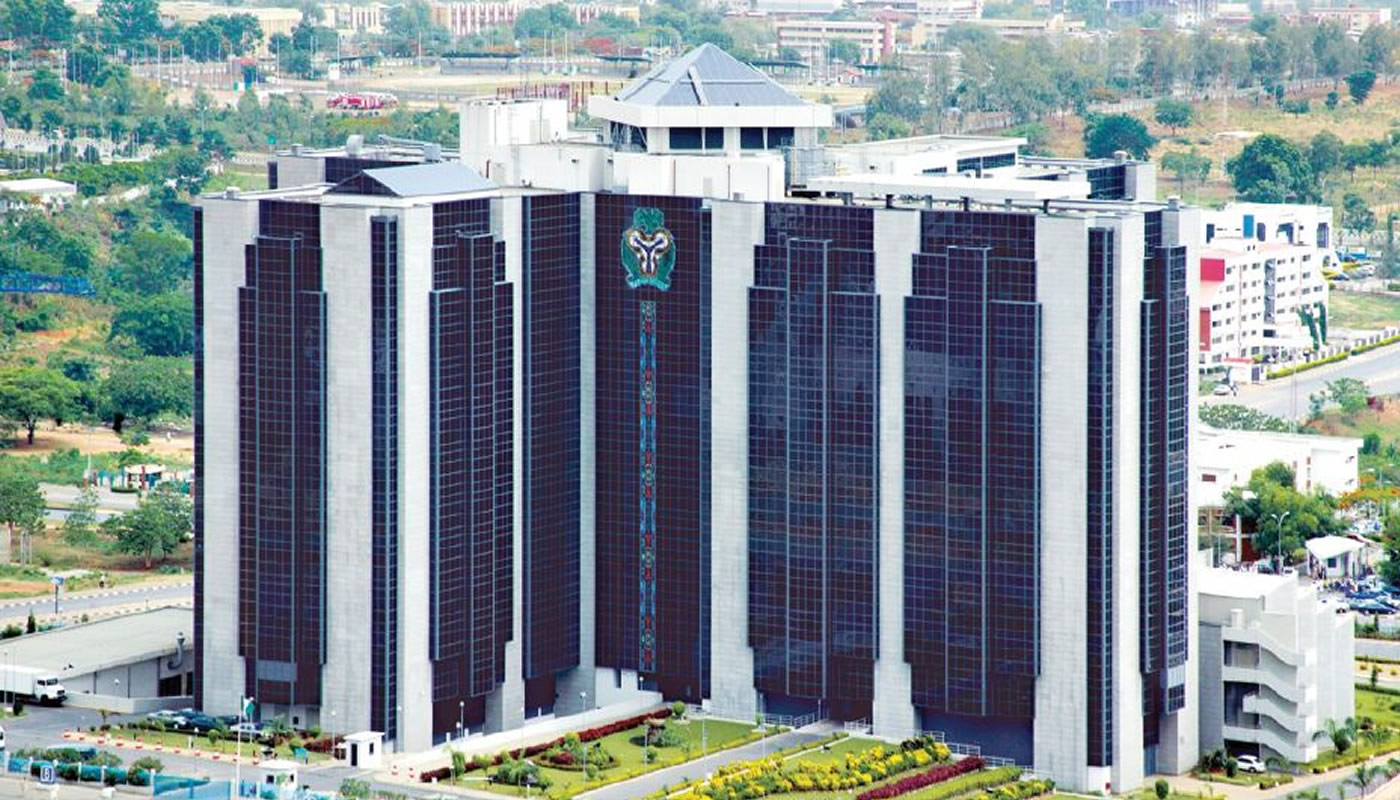 Nigeria’s Monetary Policy Committee (MPC) is widely expected to keep the Monetary Policy Rate (MPR) unchanged at 26.50 per cent when it meets on July 20–21, 2026, as policymakers balance encouraging signs of easing inflation against lingering domestic and global economic uncertainties.
The anticipated decision reflects a cautious “wait-and-see” strategy by the Central Bank of Nigeria (CBN), allowing more time to confirm that inflation is on a sustained downward trajectory before considering any adjustment to interest rates.
June Inflation May Signal Turning Point
Attention is now focused on the National Bureau of Statistics (NBS), which is scheduled to publish Nigeria’s June 2026 Consumer Price Index (CPI) on Wednesday, July 15.
Economic analysts project that headline inflation will edge down to 15.88 per cent in June from 15.93 per cent recorded in May.
If confirmed, the decline would represent the first moderation in inflation after three consecutive months of increases, offering fresh evidence that recent monetary tightening and improving supply conditions are beginning to yield results.
Although the expected decline is marginal, economists say it could strengthen confidence that inflationary pressures are gradually easing after months of elevated consumer prices.
Cheaper Fuel Prices Drive Inflation Relief
The anticipated moderation in inflation is largely linked to the significant decline in domestic prices of refined petroleum products, particularly Premium Motor Spirit (PMS) and Automotive Gas Oil (diesel).
This followed the sharp fall in international crude oil prices from about $126 per barrel to nearly $70 per barrel, triggered by the interim ceasefire between the United States and Iran, which eased fears of supply disruptions in the global energy market.
Lower fuel prices have translated into reduced transportation, logistics and distribution costs across Nigeria, helping businesses move goods more efficiently while easing pressure on household expenses.
With transportation accounting for a substantial share of production and distribution costs, the decline in fuel prices has also reduced supply-chain bottlenecks, contributing to slower increases in the prices of food and other consumer goods.
Why the MPC Is Expected to Hold Rates
Despite signs of improving inflation, analysts believe the MPC is unlikely to begin easing monetary policy immediately.
Instead, policymakers are expected to maintain the benchmark lending rate at 26.50 per cent, citing the need to ensure that inflation continues to decline sustainably before loosening financial conditions.
Keeping rates unchanged would also reinforce the CBN’s commitment to price stability while preserving investor confidence in Nigeria’s financial markets.
Economists note that premature rate cuts could reverse recent gains by weakening the naira, increasing imported inflation and encouraging capital outflows.
Experts Explain the CBN’s Likely Strategy
An economist, Celestine Ukpong, told The Ameh News that maintaining the current policy rate would reflect prudent monetary management.
According to him, “Although inflation appears to be easing, the improvement remains fragile. The CBN will likely seek additional evidence that the downward trend is sustainable before contemplating any reduction in interest rates.”
He added that stabilising inflation remains the central bank’s primary objective because lower inflation supports long-term economic growth, investment and consumer purchasing power.
Similarly, Peter Adebayo, FCA, said monetary authorities must avoid reacting to a single month’s inflation data.
“The expected decline to 15.88 per cent is encouraging, but policymakers will want to observe several months of consistent moderation before changing policy direction. Maintaining the MPR at 26.50 per cent is the most balanced approach under current conditions,” he explained.
According to him, sustained policy consistency will strengthen market confidence and reassure both domestic and foreign investors.
Also speaking, Dr. Ejike Nduilo, Lecturer at Covenant University, Ota, said the combination of lower global oil prices and declining domestic fuel costs offers temporary relief but should not be mistaken for a permanent solution to inflation.
He stressed that structural challenges, including food production constraints, insecurity affecting agriculture, electricity costs and logistics infrastructure, still require long-term reforms.
Market Focus Shifts to Inflation Data
Financial markets will closely watch Wednesday’s inflation report, as it is expected to provide the strongest indication yet of whether Nigeria’s disinflation process is gaining momentum.
A lower-than-expected inflation figure could reinforce expectations that inflation has peaked, while a higher reading may strengthen arguments for maintaining tight monetary conditions for an extended period.
Either way, analysts agree that the July MPC meeting will likely emphasise caution rather than policy easing.
The Ameh News Analysis
The projected decline in June inflation represents an encouraging signal for Nigeria’s economy, particularly after several months of rising prices. However, the improvement remains modest, and underlying inflationary risks have not disappeared.
With global uncertainties, exchange-rate pressures and domestic structural challenges still present, the CBN is expected to prioritise policy stability over rapid easing.
For businesses, investors and households, the most likely outcome is another hold on the Monetary Policy Rate at 26.50 per cent, while the apex bank waits for stronger evidence that inflation is on a sustained downward path.
Nigeria’s Monetary Policy Committee is expected to retain the MPR at 26.5% during its July 20–21, 2026 meeting as June inflation is projected to ease to 15.88%, supported by lower fuel prices and improving supply-chain conditions.
Discover more from Ameh News
Subscribe to get the latest posts sent to your email.