By The Ameh News
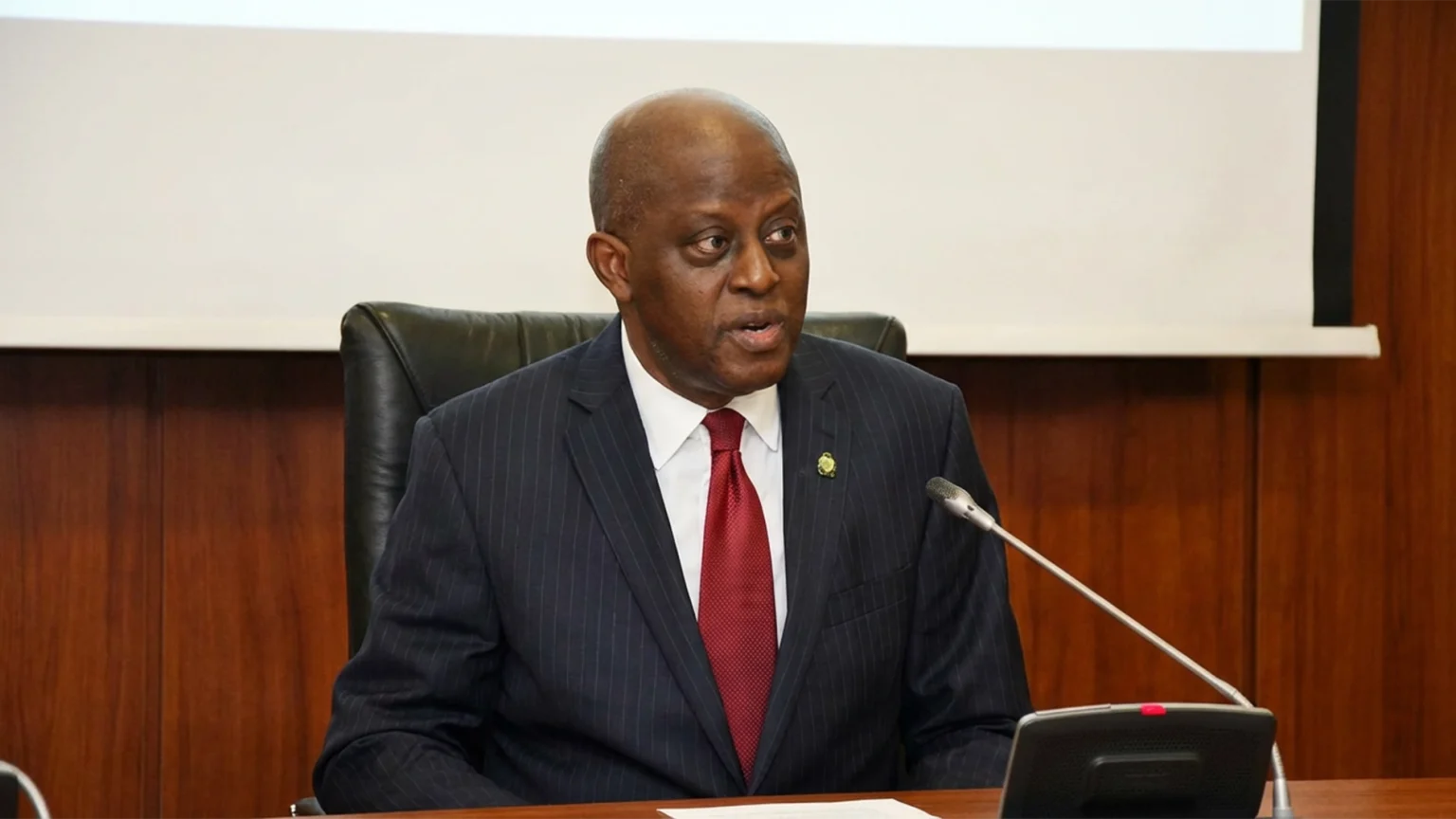 Governor of the Central Bank of Nigeria (CBN), Olayemi Cardoso, has declared that Nigeria has undergone a fundamental economic transformation, saying bold monetary and foreign exchange reforms have restored investor confidence, strengthened the banking system and laid the foundation for sustainable economic growth.
Speaking during a fireside chat with Frank Aigbogun, Publisher and Editor-in-Chief of BusinessDay Media, at the 14th Annual BusinessDay CEO Forum in Lagos, Cardoso said the country has moved from years of economic uncertainty to a period of stability capable of attracting unprecedented domestic and foreign investments.
The forum, themed “From Stability to Shared Prosperity,” brought together top business executives, policymakers and financial experts to discuss Nigeria’s economic outlook.
Cardoso Commends BusinessDay’s 25-Year Legacy
Cardoso began by congratulating BusinessDay on its 25th anniversary, describing the newspaper as one of Nigeria’s strongest institutions that has consistently promoted responsible journalism and informed economic discourse.
He praised the publication for projecting Nigeria positively before the international community and encouraged it to continue championing objective and development-focused reporting.
CBN Reforms End Multiple Exchange Rates
Highlighting the achievements of the apex bank over the past three years, Cardoso described the unification of Nigeria’s foreign exchange market as one of the most significant policy successes.
According to him, the era of multiple exchange rates, uncertainty and restricted access to foreign currency has ended.
He recalled that businesses and travellers previously struggled to obtain foreign exchange, making planning almost impossible.
Today, he noted, Nigerians can access foreign exchange through a more transparent market, while naira debit cards now function internationally—an important signal that confidence in Nigeria’s financial system has returned.
“The multiple exchange windows have disappeared. Nigerians can now travel and use their naira cards abroad. Beyond convenience, it restores confidence in Nigeria.”
External Reserves Climb to $52 Billion
Cardoso disclosed that Nigeria’s external reserves have risen dramatically, describing the improvement as clear evidence that difficult reforms are producing measurable results.
He recalled that when the current management assumed office, the country’s net reserves were barely above $3 billion, creating widespread anxiety across financial markets.
Today, he said, gross reserves have climbed to approximately $52 billion, while net reserves have also improved significantly.
According to him, the stronger reserve position enhances Nigeria’s capacity to absorb external shocks, support exchange rate stability and reassure global investors.
Local Investors Must Not Miss Emerging Opportunities
The CBN Governor challenged Nigerian entrepreneurs and chief executives to take advantage of the country’s improving macroeconomic environment before foreign investors dominate available opportunities.
He revealed that international investors are already positioning themselves to make substantial investments in Nigeria because of growing confidence in ongoing reforms.
Cardoso warned domestic investors against remaining hesitant because of past economic instability.
“We have achieved hard-earned stability. With stability comes investment, and with investment comes growth. Nigerian CEOs should not wait until the opportunities have passed.”
Why Interest Rates Remain High
Addressing expectations surrounding monetary policy, Cardoso explained that inflation had been moderating steadily before geopolitical tensions, particularly the conflict involving the United States and Iran, disrupted global markets.
He stressed that Nigeria weathered the external shock better than many economies because reforms had already strengthened the country’s resilience.
Although he declined to predict the outcome of the next Monetary Policy Committee (MPC) meeting, Cardoso reaffirmed that MPC decisions would continue to be guided strictly by economic data rather than political pressure.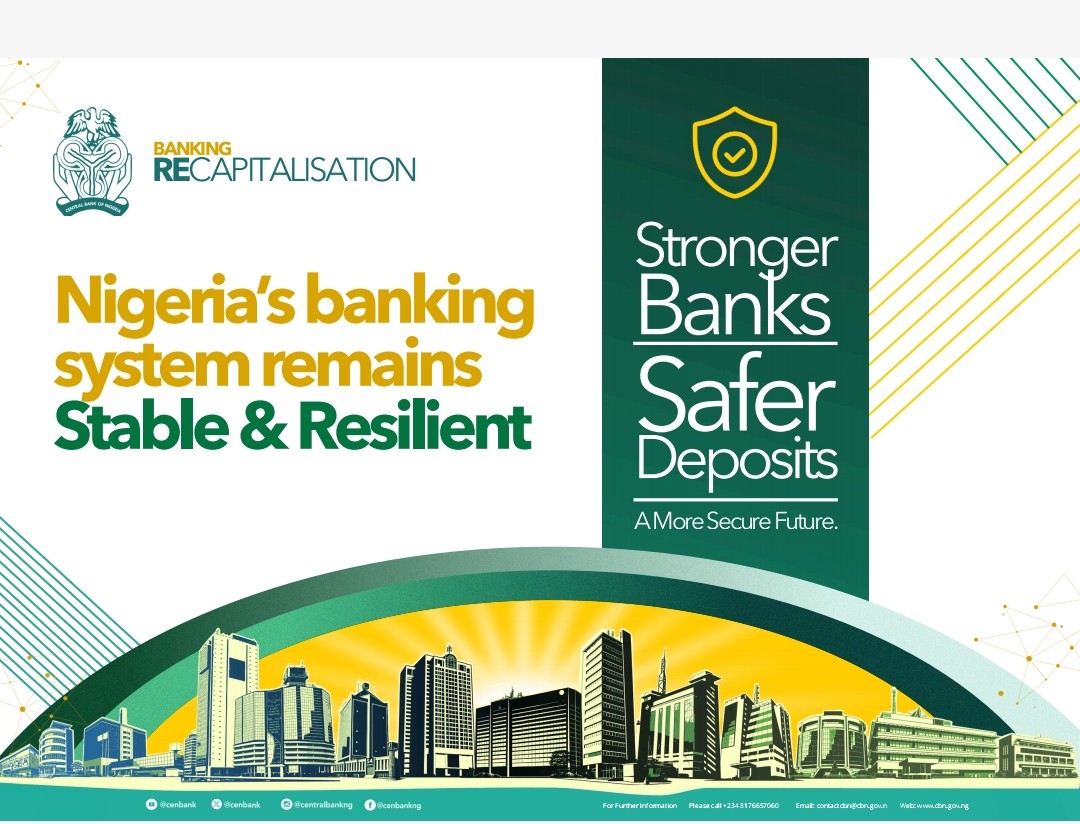 He said independent-minded MPC members remain committed to safeguarding Nigeria’s long-term economic stability.
Foreign Exchange Market Now Operates with Minimal Intervention
Cardoso said the foreign exchange market has become significantly more liquid, reducing the need for routine intervention by the Central Bank.
Unlike previous years when market participants depended heavily on CBN interventions, he explained that buying and selling now occur more efficiently through market forces.
According to him, foreign reserves should not be viewed as funds for routine spending but rather as strategic buffers to defend the economy during periods of external volatility.
He added that Nigeria’s reserves now provide roughly 10 months of import cover, a level that strengthens confidence among international investors.
Diaspora Remittances Growing Rapidly
The CBN Governor also highlighted efforts to expand diaspora remittance inflows.
He said the Bank engaged Nigerian communities abroad, commercial banks and financial institutions to remove bottlenecks affecting remittance transfers.
Cardoso expressed confidence that remittance inflows would continue rising substantially, contributing to stronger foreign exchange earnings.
Bank Recapitalisation Builds Financial Resilience
Defending the banking recapitalisation programme, Cardoso said the policy was necessary to strengthen the resilience of Nigeria’s financial institutions following years of economic shocks and currency depreciation.
He noted that although banks initially resisted the higher capital requirements, they later recognised the long-term benefits.
According to him, Nigerian banks now possess stronger capital buffers capable of supporting economic growth and withstanding future financial disruptions.
He also emphasised that recapitalisation is only one phase, adding that continuous regulatory oversight remains essential.
Banks Must Expand Lending to the Real Economy
Responding to concerns about commercial banks’ preference for government securities over private sector lending, Cardoso acknowledged the challenge but expressed confidence that the situation would improve as inflation moderates and interest rates decline.
He said banks must continue building specialised expertise to finance sectors such as agriculture, manufacturing, SMEs and infrastructure while maintaining prudent risk management.
According to him, the CBN is working closely with financial institutions to strengthen technical capacity for more productive lending.
“Nigeria Was at a Dangerous Crossroads”
In one of the most emotional moments of the conversation, Cardoso reflected on the difficult conditions inherited by the current CBN leadership.
He described an economy characterised by declining reserves, mounting external obligations, weak investor confidence and widespread pessimism.
Rather than retreat from the challenge, he said the CBN chose to confront difficult realities through disciplined reforms.
“It wasn’t about me. It was about the future of over 200 million Nigerians. Leadership requires taking difficult decisions in the interest of the greater good.”
He stressed that rebuilding trust remains the most valuable asset of any central bank.
According to him, monetary authorities succeed only when investors, businesses and citizens believe in the credibility of their policies.
Expert Reactions
Dr. Akin Olaniyan, veteran journalist, Lagos Business School lecturer and leadership coach, described Cardoso’s remarks as an important affirmation that institutional reforms require consistency and courage.
According to him, restoring confidence is often more difficult than implementing policy, adding that transparent communication by the CBN has helped improve market expectations.
“Economic reforms succeed when institutions remain credible. Investors respond more to consistency than promises.”
Meanwhile, Dr. Ejike Nduilo, public relations strategist, Chief Thinker at HenryjValeens, and lecturer at Covenant University, Ota, said Cardoso’s message to local investors should serve as a wake-up call for Nigerian businesses.
He argued that while foreign investors are increasingly recognising Nigeria’s opportunities, domestic investors must equally demonstrate confidence in the country’s economic future.
“Shared prosperity begins when Nigerian businesses become the first believers in Nigeria’s economy. Confidence itself is an investment.”
The Ameh News Analysis
Cardoso’s appearance at the BusinessDay CEO Forum reflected the Central Bank’s determination to defend its reform agenda despite persistent criticism over high interest rates and inflation.
His emphasis on exchange rate transparency, stronger external reserves, banking sector resilience and improved investor confidence signals that the CBN intends to maintain its current policy direction while awaiting further moderation in inflation before easing monetary conditions.
For businesses, the Governor’s central message was clear: economic stability has created new investment opportunities, and Nigerian companies should act decisively before global investors take the lead.
Olayemi Cardoso, CBN Governor, BusinessDay CEO Forum 2026, Nigeria economy, foreign exchange reforms, external reserves, bank recapitalisation, MPC, inflation, investment in Nigeria, Nigerian banks, FX market, shared prosperity.
CBN Governor Olayemi Cardoso says Nigeria’s economic reforms have restored foreign exchange stability, boosted external reserves to $52 billion, strengthened banks and positioned the country for greater investment and shared prosperity.
Cardoso Defends CBN Reforms, Says Nigeria Has Entered a New Era of Stability, Investor Confidence and Shared Prosperity
Discover more from Ameh News
Subscribe to get the latest posts sent to your email.