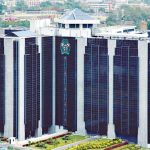
 CBN-Governor-Olayemi-Cardoso-
The Central Bank of Nigeria (CBN) has retained the Monetary Policy Rate (MPR) at 26.5 per cent, maintaining all other key monetary policy parameters in a move aimed at consolidating declining inflation, preserving exchange rate stability and shielding Africa’s largest economy from growing geopolitical and global economic uncertainties.
The decision was reached at the 306th Meeting of the Monetary Policy Committee (MPC) held on July 20 and 21, 2026, where all 11 members unanimously agreed that maintaining the current monetary policy stance remained the most appropriate option despite encouraging signs of easing inflation.
The Committee explained that although inflation has continued to moderate, renewed hostilities in the Middle East, rising global energy prices and persistent supply chain disruptions pose significant upside risks that require a cautious policy approach.
MPC Retains All Key Monetary Policy Parameters
Following extensive deliberations on domestic and international economic developments, the Committee resolved to:
Retain the Monetary Policy Rate (MPR) at 26.5 per cent.
Maintain the Standing Facilities Corridor at +50/-450 basis points around the MPR.
Retain the Cash Reserve Requirement (CRR) for Deposit Money Banks at 45 per cent.
Retain the CRR for Merchant Banks at 16 per cent.
Maintain 75 per cent CRR on non-TSA public sector deposits.
Leave every other monetary policy parameter unchanged.
Why the CBN Chose to Hold Rates
According to the MPC, recent economic indicators suggest that previous monetary tightening measures are beginning to produce positive results, particularly in slowing inflation and strengthening confidence in Nigeria’s foreign exchange market.
However, members noted that escalating geopolitical tensions in the Middle East continue to threaten global economic stability through higher crude oil prices, increased transportation costs and renewed inflationary pressures.
The Committee stressed that retaining the current policy stance would allow it to closely monitor incoming inflation data while preserving macroeconomic stability and maintaining investor confidence.
Inflation Moderates as Exchange Rate Stability Improves
The MPC noted that Nigeria’s headline inflation eased slightly to 15.91 per cent in June 2026, down from 15.93 per cent in May, ending three consecutive months of rising inflation.
Core inflation also declined significantly to 15.92 per cent from 16.82 per cent, reflecting improved exchange rate stability.
Although food inflation increased to 17.52 per cent due to supply constraints, the Committee observed that the overall inflation trend remains encouraging.
Similarly, the country’s 12-month average inflation rate declined for the sixth consecutive month, falling to 17.63 per cent, while month-on-month inflation slowed to 1.66 per cent, indicating that price pressures are gradually easing.
External Reserves Rise Above $52 Billion
The Committee also highlighted improvements in Nigeria’s external sector.
According to the communiqué, gross external reserves increased to $52.52 billion as of July 17, 2026, up from $50.47 billion at the end of May.
The reserves, largely boosted by crude oil-related tax receipts and third-party inflows, are sufficient to finance approximately 11 months of imports, far exceeding the international benchmark of three months’ import cover.
Banking Sector Stronger After Recapitalisation
The MPC expressed satisfaction with the outcome of the banking sector recapitalisation exercise, describing it as a major step towards strengthening Nigeria’s financial system.
Members noted improvements in key prudential and financial soundness indicators but urged the CBN to sustain close supervision of banks to preserve financial stability and minimise emerging risks.
Government Reforms Receive MPC Endorsement
The Committee applauded ongoing collaboration between fiscal and monetary authorities, noting that stronger policy coordination has helped cushion Nigeria against external shocks.
It also welcomed the Federal Government’s renewed efforts to increase crude oil production, implement Executive Order 9 and unlock opportunities in the solid minerals sector to diversify government revenue and reduce dependence on oil.
Economic Growth Remains Positive
Despite global uncertainties, the MPC said Nigeria’s economy remains resilient.
The Committee noted that real Gross Domestic Product (GDP) grew by 3.89 per cent in the first quarter of 2026, driven largely by robust performance in telecommunications, financial services, transportation, trade and other non-oil sectors.
Economic activities also strengthened as the country’s Purchasing Managers’ Index (PMI) returned to expansion territory at 50.1 points in June, signalling renewed business confidence.
Global Risks Still Threaten Inflation Outlook
While acknowledging improvements in Nigeria’s macroeconomic environment, the MPC warned that the global outlook remains uncertain.
The Committee observed that global growth is projected to slow to 3.0 per cent in 2026 due to escalating geopolitical tensions, trade policy uncertainties and tighter fiscal conditions.
It warned that higher crude oil prices, climate-related disruptions, exchange rate volatility and global supply chain challenges could fuel fresh inflation across emerging economies, including Nigeria.
Experts Welcome Decision
Economic experts who spoke with The Ameh News described the MPC’s decision as timely and necessary.
Celestine Ukpong, Economist, said the decision demonstrates the CBN’s commitment to sustaining macroeconomic stability despite mounting external pressures.
According to him, although inflation has begun to moderate, the pace of decline remains gradual, making it premature for the apex bank to cut interest rates.
He noted that maintaining policy consistency would strengthen investor confidence, protect the naira and sustain the recent gains recorded in foreign exchange stability.
Dr. Akin Olaniyan, economist, leadership coach and public affairs analyst, said the Committee adopted a balanced approach by prioritising long-term price stability over short-term economic stimulus.
He stressed that while high interest rates may continue to increase borrowing costs for businesses, reducing inflation remains essential for sustainable economic growth.
Olaniyan urged government to complement monetary policy with structural reforms capable of lowering production costs, improving infrastructure and boosting agricultural productivity.
Peter Adebayo, FCA, said retaining the current policy stance sends a positive signal to investors that Nigeria remains committed to responsible macroeconomic management.
He called for stronger fiscal discipline, increased domestic production, improved logistics and enhanced food security to complement the CBN’s monetary policy efforts.
What the Decision Means for Nigerians
For businesses and households, the decision means lending rates are likely to remain elevated in the near term, making access to credit relatively expensive.
However, economists believe maintaining higher interest rates could help:
Sustain the decline in inflation.
Protect the value of the naira.
Attract foreign portfolio investment.
Preserve external reserves.
Strengthen confidence in Nigeria’s banking system.
Create a more stable environment for long-term economic growth.
Looking Ahead
The MPC expressed optimism that inflation would continue to moderate in the coming months as the effects of previous monetary tightening deepen, exchange rate stability persists and food supply improves with the harvest season.
Nevertheless, the Committee warned that a prolonged escalation of the Middle East conflict remains the biggest threat to Nigeria’s inflation outlook and pledged to take appropriate policy actions whenever necessary to safeguard price and financial system stability.
The next meeting of the Monetary Policy Committee is scheduled for September 21 and 22, 2026.
The Central Bank of Nigeria retained the Monetary Policy Rate at 26.5% as inflation eased to 15.91%, external reserves rose to $52.52 billion and global risks persisted. Experts explain what the decision means for businesses, investors and Nigerians.
CBN MPC July 2026, Monetary Policy Committee, Olayemi Cardoso, Nigeria interest rate, MPR 26.5%, Nigeria inflation, External reserves, Exchange rate, Banking recapitalisation, Nigerian economy, Monetary policy, Financial stability, CBN news, The Ameh News.
Discover more from Ameh News
Subscribe to get the latest posts sent to your email.