By The Ameh News
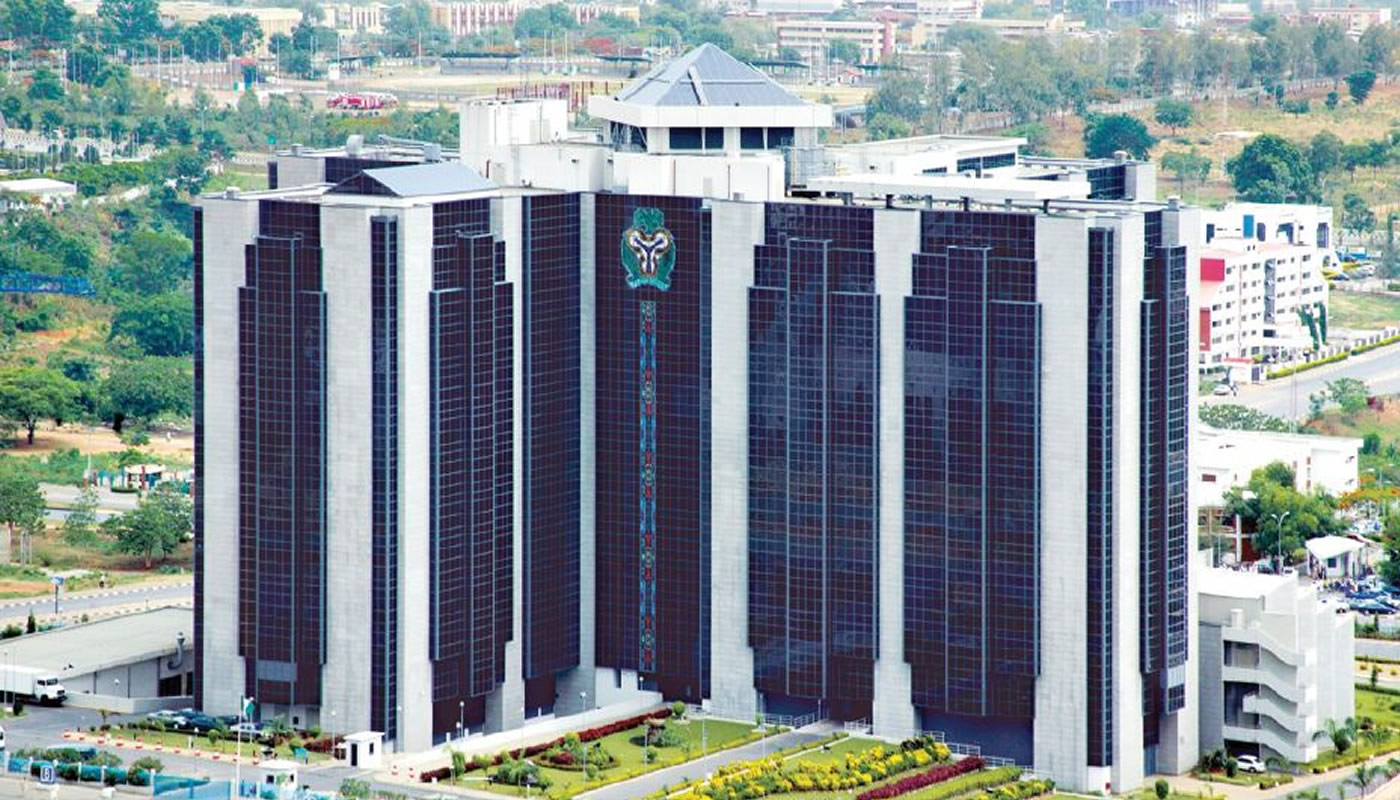 The Monetary Policy Committee (MPC) of the Central Bank of Nigeria (CBN) has maintained all key monetary policy parameters, keeping the Monetary Policy Rate (MPR) at 26.50 per cent in a move widely interpreted as a cautious strategy to consolidate the gains recorded in inflation moderation while safeguarding financial and macroeconomic stability.
At the end of its 306th MPC meeting, held from July 20 to July 21, 2026, the Committee unanimously voted to retain all existing policy rates and liquidity measures, reflecting confidence that the current monetary tightening measures are beginning to yield positive results.
MPC Decisions
The Committee resolved to:
Retain the Monetary Policy Rate (MPR) at 26.50 per cent
Maintain the asymmetric corridor around the MPR at +50/-450 basis points
Retain the Cash Reserve Ratio (CRR) for Deposit Money Banks at 45.0 per cent
Maintain the CRR for Merchant Banks at 16.0 per cent
Keep the CRR on non-Treasury Single Account (TSA) public sector deposits at 75.0 per cent
Retain the Liquidity Ratio at 30.0 per cent
What the Decision Means
The MPC’s decision signals that the CBN is determined to maintain a restrictive monetary policy until inflation is firmly under control.
Rather than tightening further by increasing interest rates or easing by cutting them, the Committee chose to “pause,” allowing previous policy actions enough time to work through the economy.
The move also suggests that the apex bank believes inflationary pressures, although moderating, still require close monitoring before any policy easing can be considered.
Why the CBN Chose to Hold Rates Now
The decision comes at a time when Nigeria is beginning to witness encouraging macroeconomic indicators.
Recent data show that inflation has moderated compared with previous months, while exchange rate volatility has reduced and foreign exchange market reforms are improving investor confidence.
However, risks remain, including:
Food inflation driven by insecurity and logistics challenges.
Global geopolitical tensions affecting commodity prices.
External financial uncertainties.
Domestic fiscal pressures.
By holding rates steady, the CBN seeks to balance inflation control with economic growth without creating unnecessary shocks for businesses and consumers.
Who Benefits from the Decision?
1. Businesses
Companies gain greater policy certainty for planning investments and managing operating costs.
Although borrowing costs remain high, businesses now have a clearer monetary policy direction.
2. Investors
Domestic and foreign investors generally view policy consistency positively.
Stable interest rates strengthen confidence in Nigerian financial assets, government securities and the foreign exchange market.
3. Banks
Commercial banks benefit from policy predictability while continuing to operate under existing liquidity and reserve requirements.
4. Savers
Higher interest rate environments generally encourage banks to offer more attractive returns on savings and fixed-income investments.
5. The Federal Government
Stable monetary policy supports ongoing economic reforms, helps anchor inflation expectations and promotes confidence among international development partners and investors.
Who May Feel the Pressure?
Borrowers—including households and businesses seeking loans—will continue to face relatively high lending rates because the benchmark interest rate remains elevated.
Small and Medium Enterprises (SMEs), manufacturers and mortgage seekers may continue experiencing expensive credit until inflation declines sufficiently for policy easing.
Impact on Ordinary Nigerians
For many Nigerians, the immediate impact will not be a reduction in loan costs.
However, if the policy succeeds in further slowing inflation, households could gradually experience:
More stable food prices.
Improved purchasing power.
Reduced exchange-rate volatility.
Better economic confidence.
Stronger value of savings.
What the Decision Signals to Financial Markets
Financial analysts interpret the MPC’s action as evidence that the CBN is committed to maintaining credibility in its inflation-fighting strategy.
Keeping all policy parameters unchanged avoids sending mixed signals to markets while allowing policymakers to assess the effects of previous tightening measures.
The decision also reinforces confidence that Nigeria’s monetary authorities remain focused on long-term macroeconomic stability rather than short-term policy shifts.
What Comes Next?
Attention will now shift to upcoming economic indicators, particularly:
Future inflation figures.
Exchange rate performance.
GDP growth data.
Foreign reserve levels.
Global crude oil prices.
Capital inflows into Nigeria.
If inflation continues to decline sustainably over the coming months, analysts believe the MPC could begin considering gradual monetary easing in subsequent meetings. However, should inflationary pressures re-emerge, the CBN may maintain its tight monetary stance for longer.
Outlook
The latest MPC decision reflects a measured and disciplined approach by the Central Bank of Nigeria. By keeping the benchmark interest rate at 26.50 per cent and retaining all other policy parameters, the apex bank is signalling that preserving price stability remains its top priority.
For businesses, investors and financial institutions, the decision provides policy certainty. For households, the benefits will depend on whether sustained monetary discipline translates into lower inflation, improved purchasing power and stronger economic stability in the months ahead.
CBN retains the Monetary Policy Rate at 26.5% and leaves all key monetary policy parameters unchanged. Here’s what the decision means, why it matters, who benefits, and what Nigerians should expect next.
CBN MPC July 2026, Monetary Policy Committee, MPR 26.5%, Nigeria inflation, interest rate, Cash Reserve Ratio, Liquidity Ratio, Central Bank of Nigeria, Nigerian economy, monetary policy, financial markets, economic growth.
Discover more from Ameh News
Subscribe to get the latest posts sent to your email.