By The Ameh News Business Desk
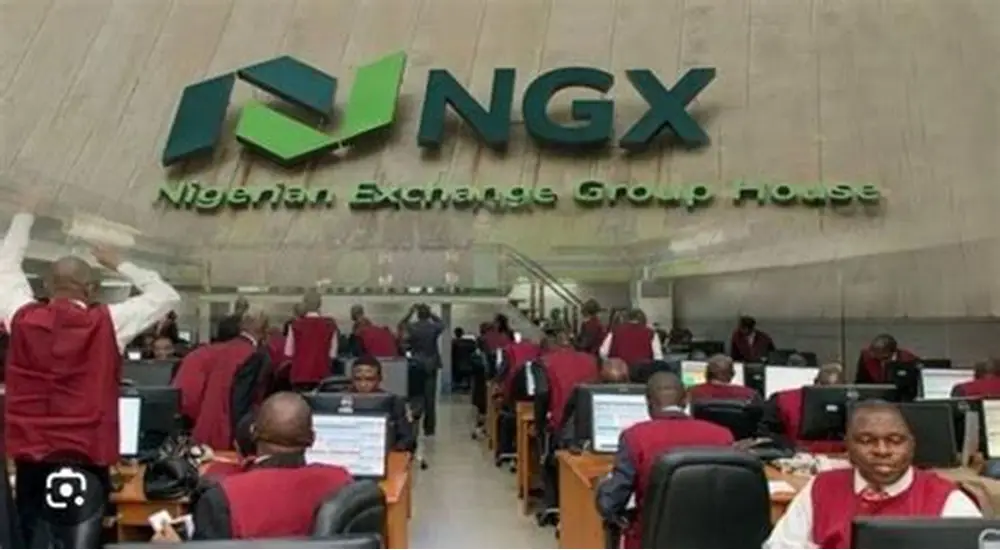 As Nigeria’s capital market continues to attract both retail and institutional investors despite economic uncertainties, financial experts have urged investors to carefully evaluate their financial goals, risk appetite and investment horizon before choosing between short-term trading and long-term investing.
The experts stressed that there is no universally superior investment strategy, arguing that successful investing depends largely on an individual’s objectives, patience, market knowledge and ability to withstand periods of volatility.
With inflation, exchange rate pressures, elevated interest rates and global geopolitical tensions influencing investment decisions, analysts say understanding the differences between short-term and long-term investing has become increasingly important for wealth creation.
Long-term investing typically involves holding quality stocks for five to ten years or longer, allowing investors to benefit from business growth, dividend income and the power of compound returns. In contrast, short-term investing focuses on taking advantage of daily, weekly or monthly price movements, often requiring active market monitoring and higher risk tolerance.
Investment professionals note that history consistently supports long-term investing. Despite major financial crises such as the Great Depression, the 2008 global financial crisis and the COVID-19 pandemic, equity markets have historically recovered over time, rewarding patient investors who remained committed to quality assets.
Experts further observed that long-term investors generally incur lower transaction costs and are less influenced by temporary market sentiment compared to short-term traders who must constantly react to market-moving events including earnings reports, monetary policy decisions and geopolitical developments.
Economist: Long-Term Investing Builds Sustainable Wealth
Reacting to the development, economist Celestine Ukpong said wealth creation through the stock market should be viewed as a marathon rather than a sprint.
According to him, many first-time investors make the mistake of expecting immediate returns without understanding that equity investments naturally experience cycles.
“The Nigerian economy, like every emerging market, will continue to experience periods of expansion and contraction. Investors who focus on fundamentally strong companies and remain invested over the long term are more likely to benefit from economic recovery and corporate earnings growth,” Ukpong said.
He added that while short-term trading can generate quick gains, it also exposes investors to greater risks arising from market volatility, speculative behaviour and emotional decision-making.
Ukpong advised investors to diversify across sectors, maintain disciplined investment plans and avoid making decisions based solely on market rumours or temporary price fluctuations.
Dr. Akin Olaniyan: Financial Literacy Is Key to Investment Success
Veteran journalist, Lagos Business School (LBS) lecturer and leadership coach, Dr. Akin Olaniyan, described investor education as one of the strongest pillars of sustainable capital market development.
According to him, many retail investors enter the stock market with unrealistic expectations because they lack adequate financial literacy.
“Investment is not gambling. Every investor should understand the fundamentals of the companies they invest in, study market trends and develop realistic expectations about returns. Financial education remains the best protection against poor investment decisions,” he stated.
Olaniyan also urged the Securities and Exchange Commission (SEC), the Nigerian Exchange Group (NGX), stockbrokers and market operators to intensify investor education programmes aimed at improving public understanding of wealth creation through the capital market.
He noted that stronger financial literacy would deepen market participation and contribute to Nigeria’s long-term economic growth.
Peter Adebayo, FCA: Align Investment Strategy with Financial Goals
Financial analyst and Fellow of the Institute of Chartered Accountants of Nigeria (ICAN), Peter Adebayo, FCA, said investors should avoid copying investment strategies without considering their personal financial circumstances.
According to him, choosing between short-term and long-term investing should be based on clearly defined financial goals, available capital, liquidity requirements and individual risk tolerance.
“There is no one-size-fits-all investment strategy. Someone saving for retirement should naturally adopt a long-term perspective, while an investor seeking short-term liquidity may consider tactical trading, provided they understand the associated risks,” Adebayo explained.
He warned against excessive speculation, noting that frequent buying and selling often increases transaction costs while reducing overall investment returns.
Adebayo further encouraged investors to review their portfolios periodically, rebalance their investments when necessary and seek professional financial advice before making significant investment decisions.
Balancing Risk and Opportunity
Market analysts believe that although short-term trading opportunities will always exist, successful investing requires discipline, patience and sound risk management.
Experts recommend that investors consider several factors before selecting an investment strategy, including:
Investment objectives and financial goals
Risk tolerance
Time horizon
Liquidity needs
Knowledge of financial markets
Ability to withstand market volatility
Portfolio diversification
They also advocate maintaining diversified investment portfolios spanning different sectors and asset classes to reduce concentration risk.
Outlook
As Nigeria continues implementing economic reforms aimed at strengthening investor confidence and attracting capital inflows, analysts expect greater participation in the domestic capital market.
However, they caution that sustainable wealth creation will depend less on chasing quick profits and more on disciplined investing, informed decision-making and a long-term commitment to quality businesses.
For many investors, experts conclude, a balanced strategy that combines a diversified long-term portfolio with carefully managed short-term opportunities may offer the most resilient path to financial success in an increasingly uncertain global economy.
Google News Title
Short-Term vs Long-Term Investing: Experts Advise Nigerians on Building Sustainable Wealth Through the Stock Market
Meta Description
Economist Celestine Ukpong, LBS lecturer Dr. Akin Olaniyan and financial expert Peter Adebayo, FCA, advise Nigerian investors on choosing between short-term trading and long-term investing, highlighting strategies for sustainable wealth creation amid market volatility.
SEO Keywords
Short-term investing, Long-term investing, Nigerian stock market, NGX, investment strategy, Celestine Ukpong, Dr. Akin Olaniyan, Peter Adebayo FCA, wealth creation, capital market, stock market investment, Nigeria economy, investment risks, financial literacy.
Discover more from Ameh News
Subscribe to get the latest posts sent to your email.