
By Lucy Daniel
There is a fundamental difference between a politician who has something to offer and one who survives politically by attacking other people. One speaks through ideas, verifiable achievements, character and a clear development blueprint; the other thrives on personal attacks, blackmail, intimidation and the deliberate manufacture of controversy.
As Akwa Ibom State approaches the 2027 general elections, the people must be discerning enough to recognise this difference. The election should be about the future of the State, not an opportunity to resurrect bitterness, settle personal scores or drag individuals through the mud.
When a man discusses people instead of issues, it raises a legitimate question about the strength of his arguments. When blackmail becomes a campaign strategy, it reveals a troubling absence of confidence in the power of evidence. And when violence becomes part of a politician’s political identity, the consequences extend far beyond the politician himself. Innocent citizens, families, businesses and the future of an entire generation are placed at risk.
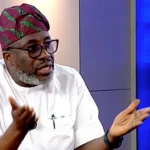
The recent observations by Chief Usoro I. Usoro, former Chief Press Secretary to Governor Godswill Akpabio and a renowned writer, offer an important perspective. Reacting to Senator Akpan Udoedeghe’s personal remarks against the Secretary to the State Government, Prince Enobong Uwah, Usoro described the attack as unnecessary and counselled the Senator to address issues rather than individuals.
His intervention goes beyond a disagreement between two political figures. It touches the very character of the politics Akwa Ibom should embrace in 2027. Political maturity is demonstrated by the ability to interrogate policies, challenge records and present alternative ideas without resorting to personal humiliation.
Prince Enobong Uwah, popularly known as Hammer, should be assessed on his public record and contributions, just as every other public figure should be. Nobody should be subjected to political blackmail simply because of his position or association with an administration.
THE LESSON OF HISTORY: NEVER AGAIN
Akwa Ibom people understand the value of peace because the State has experienced moments when political disagreements descended into dangerous confrontations.
The violence surrounding the 2011 governorship election remains an uncomfortable chapter in the State’s political history. Reports of violent clashes, deaths, injuries and destruction of property left painful memories. A historical assessment by the Centre for Humanitarian Dialogue documented serious violence following a campaign rally, with attacks reportedly involving supporters of the major political parties.
That history should never be trivialised, romanticised or exploited for political convenience. Its most important lesson is that no political ambition is worth the life of an innocent Akwa Ibom citizen.
The victims were not political statistics. They were human beings with families, dreams, responsibilities and futures. Their lives mattered. The pain of their families mattered. The economic and social consequences of political violence mattered.
Akwa Ibom cannot afford another season in which political ambition becomes more important than human life.
The 2027 elections must therefore be an election without blood, an election without intimidation, an election without blackmail and an election in which the ballot, rather than violence, determines the people’s choice.
UMO ENO AND THE POLITICS OF PEACE
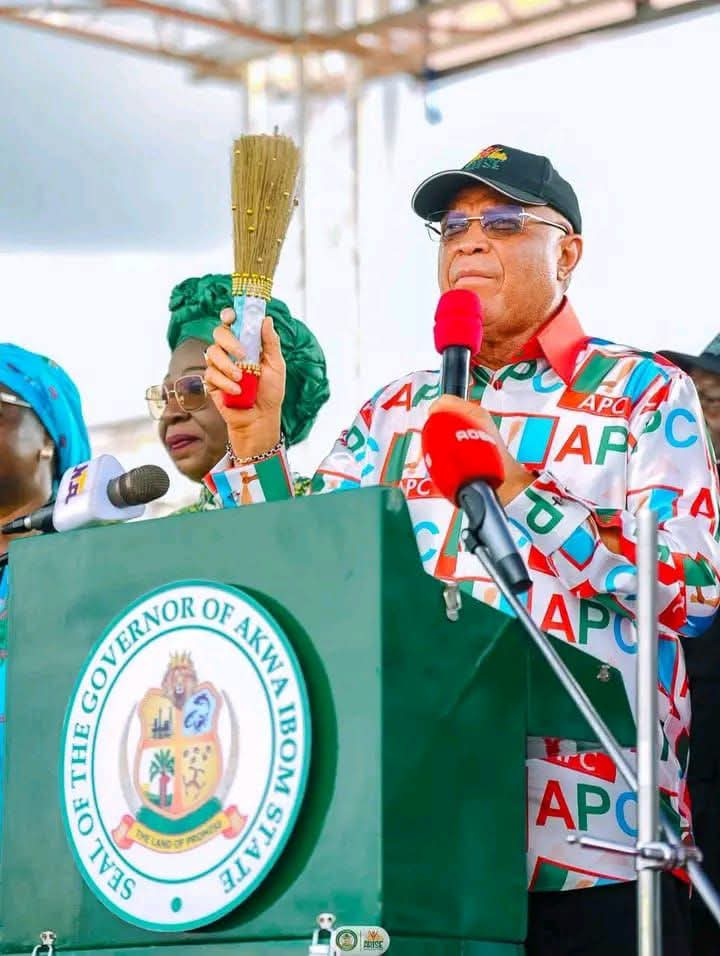
One of the defining messages of Governor Pastor Umo Bassey Eno, Ph.D., has been his consistent appeal for love, unity, accommodation and peaceful coexistence.
His declaration that “Akwa Ibom is for peace, and peace is for Akwa Ibom” captures a philosophy that should resonate beyond political affiliations.
At the third anniversary of his administration on May 29, 2026, Governor Eno delivered a particularly significant message as the political season approached. He urged political actors to embrace the politics of ideas rather than name-calling and character assassination.
His words were unequivocal: “No single life is worth shedding for anyone’s political ambition.”
He further reminded the people that politics would come and go, but the bond of brotherhood among Akwa Ibom people must remain unbroken.
At the State’s 39th anniversary celebrations in September 2026, he reinforced the same message, describing peace, unity and brotherhood as priceless achievements that must be protected.
His words deserve to be heard in every village, community, political gathering, church, market and household.
“We can disagree and still love one another. We can belong to different political parties and still belong to one Akwa Ibom.”
This is not merely a campaign slogan. It is a statement about the kind of society Akwa Ibom must preserve.
A political opponent is not an enemy. A different political opinion is not an act of betrayal. An election is not a declaration of war. Political differences must never destroy relationships that have taken generations to build.
EVIDENCE OVER BLACKMAIL, ISSUES OVER PERSONALITY
The 2027 political contest should be a marketplace of ideas, not a theatre of character assassination.
Akwa Ibom people deserve conversations about roads, education, healthcare, agriculture, employment, security, infrastructure, rural development, economic opportunities and the future of their children.
They deserve to hear what candidates have achieved, what they intend to accomplish and how their proposed policies will improve the lives of ordinary citizens.
Evidence should answer allegations. Issues should define campaigns. Performance should be examined. Alternative visions should be presented.
A politician who believes in his convictions should have the courage to defend them with facts and ideas. Blackmail cannot replace a development blueprint, just as personal attacks cannot substitute for leadership.
The people must not allow the volume of political noise to drown out the substance of governance.
LET OUR BLUEPRINT SPEAK
Under Pastor Umo Bassey Eno, Ph.D., the ARISE Agenda has provided the framework for the administration’s development direction. With ARISE 2.0, the conversation has moved towards consolidating existing foundations and pursuing the next phase of the State’s development.
The question before Akwa Ibom is therefore larger than political personalities. It concerns continuity of development, the preservation of peace and the collective future of the people.
The Governor’s emphasis on love, compassion, unity and peaceful coexistence gives this conversation an important moral dimension. Leadership is not only about physical infrastructure; it is also about the atmosphere in which people live, work, disagree and pursue their aspirations.
A peaceful State attracts confidence. A united people can pursue common objectives. An atmosphere of mutual respect allows communities and institutions to thrive.
These are values that should not be sacrificed on the altar of temporary political ambition.
2027: FOLLOW WHO KNOWS THE ROAD
There is a reason people follow a leader who understands the destination. Leadership requires direction, character, consistency and the ability to bring people together.
Akwa Ibom’s political future must not be determined by who can insult the most opponents, manufacture the loudest controversy or provoke the greatest division. It should be determined by the strength of ideas, the credibility of records, the quality of character and the capacity to sustain peace and development.
Chief Usoro I. Usoro’s intervention is a timely reminder that political experience should produce maturity, not bitterness. The State needs issue-based engagement, not personal warfare.
As 2027 approaches, let every political actor remember that there will be life after the election. There will still be neighbours to greet, communities to develop, families to protect and a common State to build.
Let us disagree without becoming enemies. Let us compete without destroying one another. Let us debate without threatening lives.
The choice before Akwa Ibom is not between political personalities alone; it is also between a politics that builds and one that destroys.
Pastor Umo Bassey Eno’s message must sink into every ear: Akwa Ibom is for peace, and peace is for Akwa Ibom.
Let our blueprint speak. Let our evidence speak. Let our character speak.
And above all, let the 2027 elections be remembered not for bloodshed, blackmail or bitterness, but for the maturity of a people who chose peace, unity and progress.
Election without blood. Politics without hatred. Development without division.
That is the Akwa Ibom we must preserve.
Discover more from Ameh News
Subscribe to get the latest posts sent to your email.