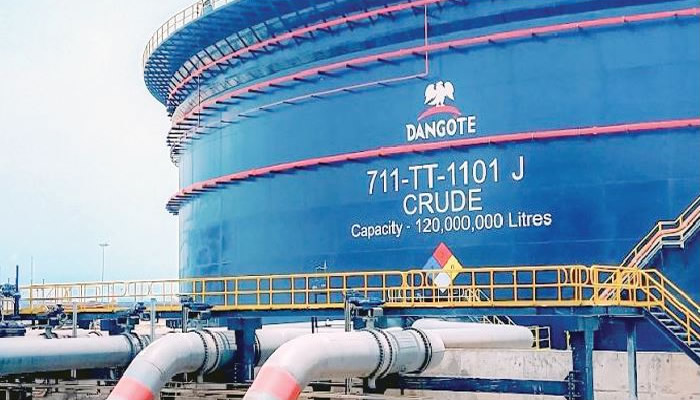
 The Dangote Petroleum Refinery & Petrochemicals has announced another downward review of its ex-depot prices for Premium Motor Spirit (PMS) and Automotive Gas Oil (AGO), commonly known as petrol and diesel, in a move aimed at easing fuel costs and supporting economic activity across Nigeria.
Under the latest adjustment, the ex-depot price of petrol was reduced from ₦1,275 per litre to ₦1,250 per litre, while diesel dropped from ₦1,800 per litre to ₦1,700 per litre. The cuts represent a fresh round of price moderation in the domestic fuel market, where transport and production costs remain highly sensitive to energy pricing.
The refinery said the review reflects its ongoing drive to improve supply efficiency and strengthen domestic refining capacity, while also offering relief to consumers and businesses that rely heavily on petroleum products for transportation, electricity generation, logistics, and industrial production.
The development comes at a time when stakeholders across Nigeria’s energy value chain continue to emphasize the importance of local refining in stabilizing fuel supply and reducing exposure to global oil price volatility and import-related costs.
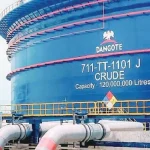
Since beginning operations, the 650,000-barrel-per-day facility has steadily increased its output to the domestic market, positioning itself as a key player in reducing Nigeria’s long-standing dependence on imported refined petroleum products.
Industry observers note that sustained adjustments in ex-depot pricing could gradually influence downstream pump prices, ease inflationary pressures, and improve cost predictability for businesses—particularly in transport, manufacturing, and agriculture.
However, analysts also caution that the final impact on retail fuel prices will depend on distribution margins, logistics costs, and market competition among marketers and depot operators.
The latest price cut adds to growing expectations that increased domestic refining capacity could reshape Nigeria’s petroleum pricing dynamics over time, particularly as supply stabilizes and distribution networks expand.
Discover more from Ameh News
Subscribe to get the latest posts sent to your email.