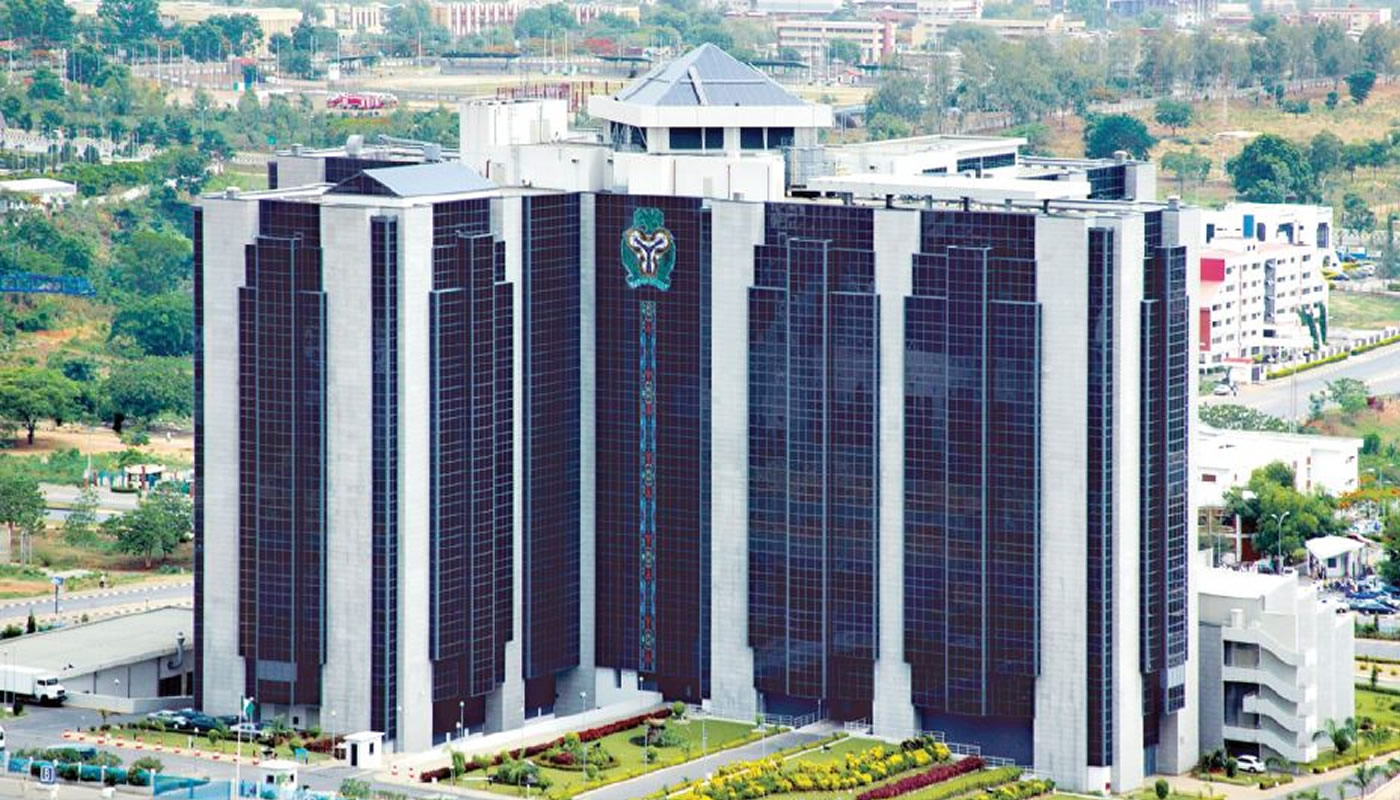
 Nigeria has reached a major macroeconomic milestone as its external reserves climb to $50.45 billion, driven by stronger oil earnings, improved foreign exchange inflows, and ongoing market reforms aimed at stabilising the naira and rebuilding investor confidence.
The development, according to the report which reflects renewed strength in the external sector of Nigeria, has sparked fresh debate among economists, analysts, and policy observers over whether the gains can translate into long-term currency stability and sustainable economic growth.
Oil Revenues, FX Reforms Drive Reserve Accretion
From Market data and analyst commentary indicate that the reserve build-up has been supported by improved crude oil receipts, gas exports, and renewed portfolio inflows.
Financial analyst Dikpa Jay noted that nearly half a billion dollars was added within the first few days of June alone, underscoring the speed of recent inflows.
He attributed the momentum to a combination of stronger export earnings and ongoing foreign exchange reforms that are improving transparency and encouraging price discovery in the FX market.
According to him, high yields on government securities—some exceeding 20%—have also attracted foreign investors seeking emerging-market returns, reinforcing dollar inflows into the economy.
Experts React: Mixed Optimism Over Sustainability
Reacting to the development following a question posed by The Ameh News, leading economists and financial experts offered mixed but cautiously optimistic perspectives on the milestone.
“A Positive Signal, But Not a Final Victory”
Economist Celestine Ukpong described the $50.45 billion reserve level as “a positive macroeconomic signal,” but warned against overconfidence.
“The reserves show that Nigeria is regaining external credibility. However, what matters more is sustainability—how consistent these inflows remain and whether they reduce pressure on the naira in real terms,” he said.
Ukpong emphasised that structural reforms in oil production, export diversification, and fiscal discipline will determine whether the milestone becomes a long-term achievement or a temporary peak.
“We Are Transitioning, Not Yet Stabilised”
Veteran journalist, leadership coach, and Lagos Business School (LBS) lecturer Akin Olaniyan described the development as part of Nigeria’s “transition phase” rather than a completed turnaround.
“What we are seeing is a transition economy adjusting to reforms. The reserves are improving, but the real economy is still catching up with policy expectations,” he said.
He added that FX reforms have improved transparency but stressed that public confidence will depend on how quickly inflation, business costs, and exchange rate volatility are contained.
“Strong Reserves, But Fiscal Discipline Is Key”
Chartered accountant and financial analyst Peter Adebayo welcomed the reserve milestone but warned that fiscal discipline remains critical.
“A $50.45 billion reserve position strengthens Nigeria’s external buffer, but without disciplined borrowing and efficient debt management, the gains can be quickly eroded,” he noted. He urged the Debt Management Office to carefully balance domestic borrowing with revenue generation, adding that rising interest costs could undermine macroeconomic stability if not properly managed.
Naira Stability Still the Central Question
Despite the reserves milestone, analysts agree that currency stability remains uncertain. The naira has continued to fluctuate within a range, reflecting ongoing market adjustments under Nigeria’s evolving FX framework.
Experts say the key test will be whether reserve growth can consistently support liquidity in the FX market and reduce speculative pressure on the currency.
From FX Scarcity to Reserve Recovery
Just a few years ago, Nigeria faced severe FX shortages, delayed import payments, and declining reserves that triggered uncertainty in financial markets.
Today’s position above $50 billion marks a significant reversal, supported by oil revenue recovery, policy reforms, and renewed foreign investor participation.
However, analysts caution that previous cycles of reserve growth were often followed by renewed pressure when oil prices fell or policy consistency weakened.
A Turning Point, Not a Destination
While the $50.45 billion milestone signals renewed external strength for Nigeria, experts agree that it represents a turning point rather than a final destination.
The durability of this progress will depend on sustained FX reforms, improved oil production efficiency, disciplined debt management, and broader economic diversification.
For now, Nigeria’s external buffers are stronger than they have been in years—but the challenge remains converting this strength into lasting currency stability and broad-based economic resilience.
Nigeria’s external reserves have surged past $50 billion driven by oil revenues and FX reforms, sparking reactions from economists Celestine Ukpong, Dr Akin Olaniyan, and Peter Adebayo on sustainability and naira stability.
Discover more from Ameh News
Subscribe to get the latest posts sent to your email.