 The Nigeria Revenue Service (NRS) has intensified efforts to strengthen tax compliance and institutional capacity across government agencies by training officers and personnel of the Nigeria Customs Service (NCS) on the Federal Government’s newly introduced tax policies and fiscal reforms.
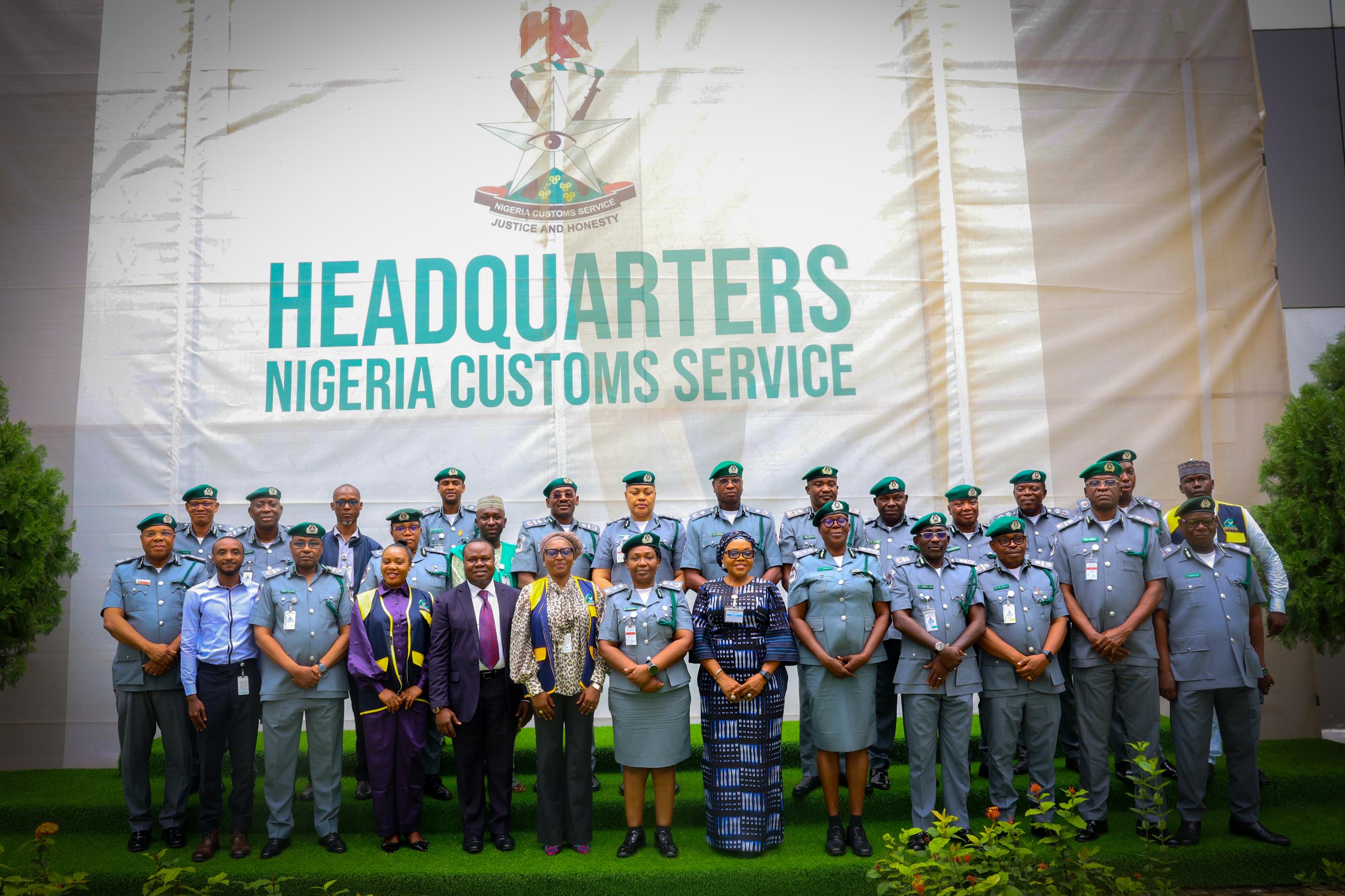
The strategic two-day capacity-building programme, held between June 17 and 18, 2026, at the NCS Service Headquarters in Maitama, Abuja, brought together members of the Customs management team, Comptrollers, Superintendents, and other senior officers responsible for implementing revenue-related policies within the Service.
The training reflects the Federal Government’s determination to modernise Nigeria’s tax administration architecture, improve revenue collection efficiency, and ensure seamless implementation of the country’s evolving tax laws.
Representing the Comptroller-General of Customs, Adewale Adeniyi, at the opening ceremony, Deputy Comptroller-General (DCG) Kikelomo Adeola underscored the importance of tax compliance in national development, describing it as more than a statutory obligation.
According to Adeola, compliance with tax regulations demonstrates transparency, accountability, and institutional integrity while helping government agencies contribute meaningfully to Nigeria’s economic growth agenda.
She noted that continuous investment in personnel development remains critical to enabling Customs officers adapt effectively to changing fiscal policies and maintain public confidence in government institutions.
“Tax compliance is not merely about fulfilling legal requirements; it is a reflection of transparency, accountability, and commitment to national development,” she stated.
The DCG further emphasized that equipping officers with updated knowledge of tax regulations would enhance operational effectiveness and position the Service to respond proactively to emerging fiscal realities.
The training also featured technical sessions on the implementation of the new tax framework, including discussions on personal income tax administration, compliance mechanisms, deductions, reporting obligations, and the role of government agencies in supporting national revenue targets.
Speaking during the programme, NRS Assistant Director of Tax, Victoria Udo, highlighted the strategic importance of the Pay-As-You-Earn (PAYE) system, describing it as one of the most reliable and sustainable mechanisms for personal income tax collection in Nigeria.
Udo encouraged participants to actively engage in discussions and knowledge-sharing sessions throughout the training, noting that a comprehensive understanding of the new tax laws would improve efficiency, accuracy, and compliance across government institutions.
She explained that strengthening the knowledge base of public officials remains essential to the successful implementation of ongoing tax reforms designed to expand the nation’s revenue base while simplifying tax administration processes.
The initiative comes amid sweeping reforms being championed by the NRS under the leadership of its Executive Chairman, Dr. Zacch Adedeji, whose administration has prioritised institutional capacity building, digital transformation, taxpayer education, and transparency in revenue administration.
Observers note that the training represents another significant milestone in Nigeria’s broader fiscal reform agenda aimed at reducing revenue leakages, strengthening inter-agency collaboration, and creating a more efficient and sustainable tax ecosystem.
Over the years, inadequate understanding of tax regulations among implementing agencies has often posed challenges to policy execution. However, the current drive by the NRS seeks to bridge that gap by ensuring that government officials at all levels possess the technical expertise required to interpret and apply the new tax laws effectively.
Economic analysts believe that the collaboration between the NRS and the Nigeria Customs Service is particularly important given Customs’ critical role in trade facilitation, border management, and revenue generation. Enhanced knowledge of tax policies among Customs officers is expected to improve compliance monitoring, strengthen enforcement mechanisms, and support the Federal Government’s objective of increasing non-oil revenue.
As Nigeria continues to pursue economic diversification and fiscal sustainability, initiatives such as this training programme demonstrate a growing commitment to building institutions capable of supporting long-term economic growth, improving public sector accountability, and fostering a culture of voluntary tax compliance.
The workshop ultimately reinforces the Federal Government’s message that effective tax administration is not solely the responsibility of tax authorities but a collective national effort requiring the active participation of all public institutions charged with safeguarding the country’s revenue interests.
The Nigeria Revenue Service has trained Nigeria Customs Service officers on new Federal Government tax policies, reinforcing compliance, transparency, and revenue mobilisation as Nigeria advances fiscal reforms.
Discover more from Ameh News
Subscribe to get the latest posts sent to your email.