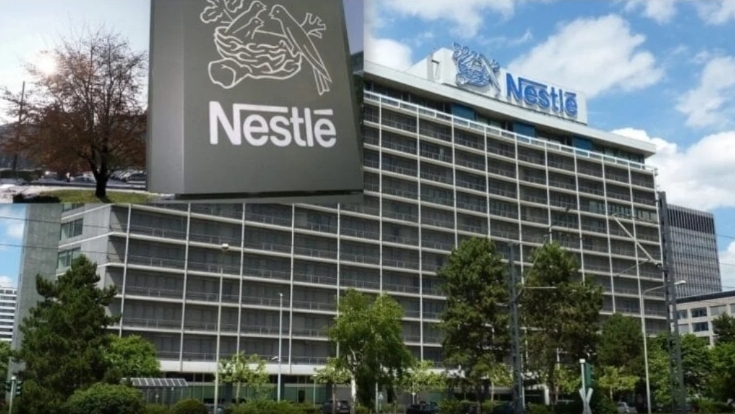
 Nestlé Nigeria Plc is accelerating its environmental sustainability agenda with a comprehensive strategy that extends far beyond waste collection campaigns, positioning sustainability as a core element of its business operations through plastic recovery, zero-waste manufacturing, water and energy efficiency, sustainable sourcing and community-driven circular economy initiatives.
The food and nutrition company said its environmental strategy is built around three interconnected pillars: reducing the environmental footprint of its operations, recovering plastic waste through strategic partnerships, and supporting circular systems that keep plastics in productive use rather than allowing them to end up in landfills, drainage systems and waterways.
The approach aligns with Nestlé’s global sustainability framework while focusing on practical, locally driven solutions that address Nigeria’s environmental challenges through measurable actions and community participation.
Plastic Circularity Leads Sustainability Agenda
Among its various environmental commitments, plastic circularity remains Nestlé Nigeria’s most visible and measurable achievement.
The company reports recovering more than 60,000 metric tonnes of plastic waste since 2019 through collaborations with recyclers, environmental organisations and waste recovery partners.
It has also recovered over 12,000 kilograms of plastic waste through its employee plastics collection initiative launched in 2022, encouraging staff participation in responsible waste management.
Environmental clean-up campaigns, consumer awareness programmes and community sensitisation initiatives further complement these efforts by promoting behavioural change and improving waste collection across communities.
Moving Beyond CSR to Systems-Based Circularity
Industry observers note that Nestlé Nigeria’s sustainability model is evolving from traditional corporate social responsibility initiatives toward a systems-based circular economy approach.
Rather than focusing solely on awareness campaigns, the company is integrating factory operations, recycling partnerships and public participation into a broader framework aimed at reducing waste leakage, improving recycling rates and keeping valuable materials within the production cycle.
Analysts say the long-term success of this strategy will depend on whether the company can sustain measurable reductions in packaging waste, resource intensity and environmental pollution over time.
Zero-Waste-to-Landfill Operations
Nestlé Nigeria says it has made significant progress toward achieving zero waste to landfill across its manufacturing facilities, making the initiative one of its strongest operational sustainability commitments.
The company continues to improve waste segregation, responsible waste handling and recycling while working with industry stakeholders to strengthen Nigeria’s waste recovery infrastructure.
This operational commitment distinguishes the company’s sustainability programme from conventional environmental campaigns by embedding waste reduction directly into factory processes.
Improving Energy and Water Efficiency
Recognising that food manufacturing consumes significant amounts of water and energy, Nestlé Nigeria has invested in technologies that improve operational efficiency while lowering greenhouse gas emissions.
At its Agbara manufacturing facility, the company has introduced heat recovery systems and cogeneration technology that improve energy performance while reducing emissions.
The company has also achieved reductions in water consumption per tonne of product through improved production processes and efficient resource management.
Converting Waste into Economic Value
As part of its circular economy strategy, Nestlé Nigeria converts processing residues into livestock feed instead of disposing of them as industrial waste.
The initiative reduces landfill volumes while creating additional value for Nigeria’s agricultural sector and demonstrates how industrial by-products can become productive resources within the economy.
Sustainable Agriculture and Responsible Sourcing
Beyond manufacturing, the company’s sustainability commitments extend into agricultural supply chains.
Nestlé’s broader environmental framework promotes sustainable sourcing practices that seek to combat climate change, reduce soil degradation, prevent deforestation and encourage responsible farming practices among suppliers.
These principles continue to shape its Nigerian operations as the company works to strengthen environmental sustainability across its value chain.
Community Engagement at the Centre
Nestlé Nigeria says environmental sustainability cannot be achieved through factory improvements alone.
The company therefore partners with communities, environmental organisations and recycling firms to organise clean-up exercises, awareness campaigns and public education initiatives aimed at encouraging responsible waste disposal and recycling.
Its sustainability policy also places emphasis on environmental protection alongside social responsibility, occupational health, community health and workplace safety, reflecting a broader commitment to responsible business practices.
Balancing Nutrition with Environmental Responsibility
As one of Nigeria’s leading nutrition manufacturers, Nestlé Nigeria operates in a sector facing increasing pressure to balance food production with environmental protection.
Major environmental concerns within the food manufacturing industry include high water consumption, greenhouse gas emissions, packaging waste, agricultural land-use pressures and food processing residues.
To address these challenges, leading companies are increasingly investing in cleaner production technologies, sustainable packaging, circular waste systems and responsible sourcing practices.
Performance Measured by Results
Environmental experts note that investors increasingly assess sustainability using measurable indicators rather than policy statements.
These include greenhouse gas reductions, water and energy intensity per tonne of product, recyclable packaging targets, plastic recovery volumes, landfill diversion rates, sustainable sourcing programmes and independently verified sustainability reporting.
For Nestlé Nigeria, the combination of measurable operational improvements and community-based environmental initiatives provides greater credibility to its sustainability commitments.
However, experts say the true measure of success will be the company’s ability to sustain long-term reductions in waste generation, plastic leakage, packaging waste and resource consumption while continuing to support Nigeria’s transition to a circular economy.
Through its Creating Shared Value (CSV) philosophy, Nestlé Nigeria maintains that environmental stewardship is integral to its long-term business strategy, demonstrating that responsible manufacturing, community development and commercial success can reinforce one another in building a more sustainable future.
Nestlé Nigeria sustainability, plastic recovery Nigeria, circular economy, zero waste to landfill, environmental sustainability, Agbara factory, plastic recycling, sustainable sourcing, ESG Nigeria, food manufacturing.
Nestlé Nigeria is strengthening its environmental sustainability agenda through plastic recovery, zero-waste-to-landfill operations, water and energy efficiency, sustainable sourcing and circular economy partnerships, reinforcing responsible manufacturing and environmental stewardship.
Discover more from Ameh News
Subscribe to get the latest posts sent to your email.