By The Ameh News
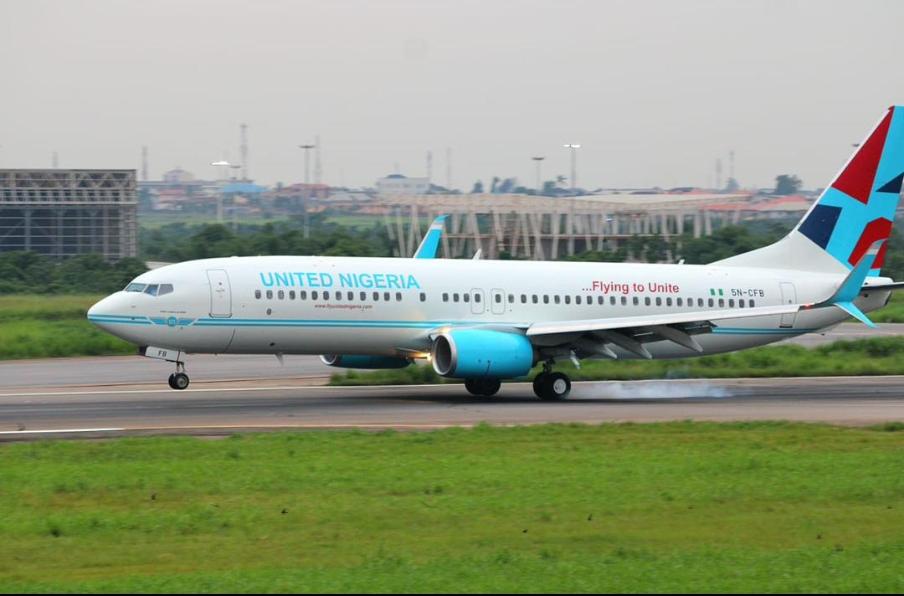 United Nigeria Airlines’ planned acquisition of 11 new aircraft and launch of five additional routes represents more than a corporate growth strategy—it is a significant vote of confidence in Nigeria’s aviation industry.
United Nigeria Airlines is a privately owned Nigerian airline that began commercial operations in 2021. It is headquartered in Enugu and operates scheduled domestic flights, with some regional international services, including Accra, Ghana and others.
Whether the airline ultimately becomes West Africa’s flagship carrier will depend not only on expanding its fleet, but also on maintaining operational excellence, financial discipline and customer satisfaction.
For now, however, its expansion signals a new phase in Nigeria’s aviation story—one that could redefine regional air travel and reinforce the country’s position as a leading aviation market on the African continent
Why This Matters
In an African aviation industry where many airlines struggle with high operating costs, foreign exchange shortages, infrastructure gaps and intense competition, United Nigeria Airlines (UNA) is charting a different course. The carrier is embarking on one of the most ambitious expansion programmes by a Nigerian airline in recent years, with plans to induct 11 additional aircraft and launch five new domestic and regional routes.
The expansion raises an important question for Nigeria’s aviation industry: Can United Nigeria Airlines evolve from a successful domestic operator into West Africa’s next flagship carrier?
Industry analysts say the airline’s growth reflects increasing investor confidence in Nigeria’s aviation market and could reshape competition across the region if executed successfully.
The Expansion Plan
United Nigeria Airlines has announced plans to significantly expand its fleet over the coming months.
The airline intends to introduce:
Four Airbus A320 aircraft for medium-capacity operations.
Seven Embraer regional jets, bringing flexibility for domestic and regional connectivity.
Five additional routes, expected to improve connectivity between underserved cities while strengthening links with neighbouring West African countries.
The expansion follows steady growth recorded since the airline commenced commercial operations five years ago.
Industry observers note that increasing fleet size enables airlines to improve schedule reliability, reduce flight delays caused by aircraft shortages and introduce more frequencies on profitable routes.
Why the Airline Is Expanding Now
Several factors appear to be driving United Nigeria Airlines’ latest investment.
First is the growing recovery in passenger demand following years of disruptions experienced across the aviation sector.
Secondly, Nigeria’s economic reforms are gradually restoring investor confidence, encouraging airlines to make long-term investments despite persistent challenges.
Another reason is the increasing demand for regional air connectivity under the African Continental Free Trade Area (AfCFTA), which is expected to stimulate movement of people, goods and services across Africa.
Analysts believe airlines with strong regional networks will benefit significantly as intra-African trade expands.
What This Means for Passengers
If successfully implemented, travellers are expected to benefit in several ways:
Increased flight frequencies.
Reduced pressure on existing routes.
Better connectivity across Nigerian cities.
Improved regional travel options.
Greater competition that could help moderate airfares over time.
More schedule flexibility for business and leisure travellers.
The additional aircraft are also expected to improve operational resilience by reducing cancellations associated with limited fleet availability.
Economic Impact
The airline’s expansion carries wider economic implications beyond aviation.
Experts say fleet expansion creates employment opportunities for:
Pilots
Aircraft engineers
Cabin crew
Ground handling personnel
Airport service providers
Travel agencies
Hospitality businesses
More routes also stimulate commerce by improving access to investment destinations, tourism centres and emerging business hubs.
The multiplier effect is expected to benefit airport authorities, fuel suppliers, maintenance providers and ancillary aviation businesses.
Can United Nigeria Airlines Become West Africa’s Flagship Carrier?
While industry experts acknowledge the airline’s impressive growth trajectory, they caution that becoming a regional flagship requires more than fleet expansion.
Key requirements include:
Consistent operational reliability.
Strong safety record.
Sustainable profitability.
International partnerships.
Fleet maintenance capability.
Digital innovation.
Customer service excellence.
Compliance with international regulatory standards.
Success will also depend on securing traffic rights across West Africa and effectively competing with established regional carriers.
Experts Weigh In
Aviation economist described the expansion as one of the most encouraging developments in Nigeria’s private aviation sector.
He said airlines capable of sustained fleet growth demonstrate long-term business confidence and contribute significantly to strengthening national air transport capacity.
According to him, if properly managed, United Nigeria Airlines could emerge as one of the dominant regional carriers over the next decade.
Aviation analyst speeking with The Ameh News noted that increasing fleet size alone does not automatically translate into market leadership.
He stressed that route profitability, aircraft utilisation, maintenance efficiency and strong corporate governance would determine whether the expansion delivers lasting success.
Economist Celestine Ukpong said expanding domestic airlines aligns with Nigeria’s broader economic diversification agenda.
He argued that improved air connectivity enhances trade, tourism, investment flows and productivity while supporting implementation of the African Continental Free Trade Area.
Challenges Ahead
Despite the optimism, significant hurdles remain.
The airline must contend with:
High aviation fuel prices.
Foreign exchange volatility.
Rising maintenance costs.
Airport infrastructure limitations.
Multiple taxation.
Limited access to affordable financing.
Intense competition from both domestic and foreign carriers.
Managing rapid expansion without compromising service quality will also be critical.
What Comes Next?
Industry stakeholders will closely monitor:
Delivery timelines for the 11 aircraft.
Launch of the five new routes.
Passenger growth.
Regional expansion strategy.
Operational performance.
Financial sustainability.
If successfully executed, the programme could position United Nigeria Airlines among Africa’s fastest-growing privately owned airlines and strengthen Nigeria’s ambition of becoming a regional aviation hub.
United Nigeria Airlines plans to add 11 aircraft and launch five new routes, raising expectations that the Nigerian carrier could emerge as West Africa’s next flagship airline. Experts examine the opportunities, challenges and implications for passengers and the aviation sector.
Discover more from Ameh News
Subscribe to get the latest posts sent to your email.