…Says State Creation Has Unlocked New Economic Opportunities Across Nigeria
 United Nigeria Airlines (UNA) has commemorated the creation of 10 Nigerian states on August 27, 1991, describing the historic restructuring as a defining moment that brought governance, economic opportunities and development closer to millions of Nigerians.
The airline said the creation of the states has, over the past 35 years, helped unlock economic potential across different regions while strengthening local identities, trade networks, agriculture, manufacturing, energy production and national connectivity.
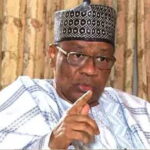
The August 27, 1991 exercise was undertaken by the military administration of General Ibrahim Babangida, which increased Nigeria’s number of states from 21 to 30.
The states created on August 27 were Abia, Adamawa, Delta, Edo, Enugu, Jigawa, Kebbi, Kogi and Osun, while Taraba State had been created earlier on August 27, 1991, according to the historical account referenced by the airline. Yobe was also created during the same 1991 state-creation exercise.
Reflecting on the significance of the anniversary and UNA’s decision to commemorate it, the airline’s Chief Commercial Officer, Adedayo Olawuyi, said the creation of the states represented more than an administrative exercise, but a deliberate attempt to bring government, development and economic opportunities closer to the people.
“These 10 states represent something beautiful and profound. They were born from a vision of bringing Nigeria closer to its people, of saying to every corner of this nation: ‘Your voice matters. Your development matters. Your dreams matter,’” Olawuyi said.
According to him, the states have since developed into important contributors to Nigeria’s economic growth, with each building distinctive strengths around agriculture, manufacturing, energy, commerce, logistics, culture and natural resources.
States Have Become Economic Engines
Olawuyi highlighted the economic transformation that has taken place across the states since their creation.
He noted that Abia and Enugu have developed into important manufacturing, commercial and trade centres in the Southeast, while Delta has become a major contributor to Nigeria’s energy economy.
He also identified Edo as an important agricultural and economic centre, while describing Taraba, Adamawa, Jigawa, Kebbi and Yobe as major agricultural areas with significant contributions to Nigeria’s food supply.
For Kogi, he stressed its strategic geographical position at the confluence of the Niger and Benue rivers, which has made the state an important link between different parts of the country.
“These states have developed into key economic drivers,” he said.
Aviation as a Connector of Economic Opportunities
The airline executive stressed that aviation remains critical to sustaining the economic activities that have emerged across the states.
According to him, air connectivity does not merely move passengers from one destination to another; it connects businesses, investors, professionals, families, students and traders to opportunities.
“In all of this, aviation remains central to sustaining these economies,” Olawuyi said.
“When we fly a businesswoman from Enugu to expand her manufacturing business, we’re supporting the dreams that these states were created to nurture.
“When we unite families for celebrations in Benin or enable traders and students to reach new opportunities in Delta, we are promoting the vision behind the creation of these states.”
He added that stronger connectivity between Nigeria’s economic centres would remain essential to unlocking the full potential of the country’s states and regions.
Taraba: Agriculture and Mineral Resources
Taraba State, created from the former Gongola State with Jalingo as its capital, has developed an economy driven substantially by agriculture and natural resources.
Its agricultural potential and mineral resources have positioned the state as an important contributor to Nigeria’s food-security ambitions and future industrial development.
Abia: Manufacturing and Enterprise
Abia State, created from the former Imo State with Umuahia as its capital, has developed a strong reputation for manufacturing, entrepreneurship and commerce.
Aba, in particular, has emerged as a major centre for indigenous manufacturing and trading, with thousands of small and medium-sized enterprises contributing to economic activity and employment.
Adamawa: Agricultural Potential
Adamawa State, carved out of the former Gongola State with Yola as its capital, has established itself as an important agricultural-producing region.
Its farming activities contribute to Nigeria’s food supply chain, while its geographical position also gives it economic and commercial significance in northeastern Nigeria.
Delta: Energy Powerhouse
Delta State, created from the former Bendel State with Asaba as its capital, has become one of Nigeria’s most strategically important energy-producing states.
With significant oil and gas resources, Delta plays an important role in Nigeria’s energy economy and public revenue generation.
Edo: Oil, Agriculture and Commerce
Edo State, also created from Bendel State with Benin City as its capital, has become a significant player in Nigeria’s economy through its combination of oil and gas activities, agriculture, manufacturing and commerce.
The state also has a long-established agricultural base and remains an important economic centre in the South-South region.
Enugu: Southeast Commercial Hub
Enugu State, created from the former Anambra State with Enugu as its capital, has evolved beyond its historic coal-mining identity to become an important commercial, industrial, educational and services hub in the Southeast.
The state’s capital remains a major destination for business, investment and regional commerce.
Jigawa: Agricultural Economy
Jigawa State, created from Kano State with Dutse as its capital, is predominantly agrarian.
Agriculture remains central to the state’s economy, providing livelihoods and supplying products to markets within Nigeria and beyond.
Kebbi: Agriculture and Cross-Border Trade
Kebbi State, created from Sokoto State with Birnin Kebbi as its capital, has developed significant agricultural and commercial activities.
Its location gives it strategic importance for cross-border trade, particularly within the wider West African trading environment.
Kogi: Nigeria’s Strategic Gateway
Kogi State, created from parts of the former Kwara and Benue states with Lokoja as its capital, occupies a unique geographical position in Nigeria.
Located at the confluence of the Niger and Benue rivers, the state serves as an important transportation and logistics corridor connecting northern and southern Nigeria as well as the eastern and western parts of the country.
Osun: Culture, Commerce and Enterprise
Osun State, created from the former Oyo State with Osogbo as its capital, has developed a strong economic and cultural identity.
The state is renowned for its rich Yoruba heritage, commercial activities, agriculture and growing entrepreneurial ecosystem.
Yobe: Agriculture and Northern Economic Development
Yobe State, created from the former Borno State with Damaturu as its capital, has developed agriculture as one of the pillars of its economy.
Despite the challenges confronting the Northeast, the state continues to contribute to Nigeria’s agricultural production and regional economic development.
Beyond Celebration
For UNA, the anniversary represents an opportunity not only to celebrate the history of the states but also to draw attention to the economic possibilities created by stronger connections between them.
The airline said Nigeria’s economic future would depend increasingly on the ability to connect its diverse production centres, markets and people efficiently.
The company therefore positioned aviation as a strategic enabler of economic integration, arguing that improved air connectivity can help businesses access new markets, attract investment, facilitate tourism, support education and strengthen family and social ties.
The celebration also underscores the evolving role of domestic airlines in supporting economic development beyond simply transporting passengers.
As Nigeria marks another anniversary of the 1991 state-creation exercise, UNA said the achievements of the states demonstrate the value of bringing governance and economic opportunities closer to the people—and the continuing need to strengthen the infrastructure and connectivity that allow those opportunities to flourish.
For the airline, the story of the August 27 states is ultimately a story of Nigeria’s diversity, resilience, enterprise and economic potential, with aviation serving as one of the critical bridges linking those potentials to the wider national economy.
Discover more from Ameh News
Subscribe to get the latest posts sent to your email.