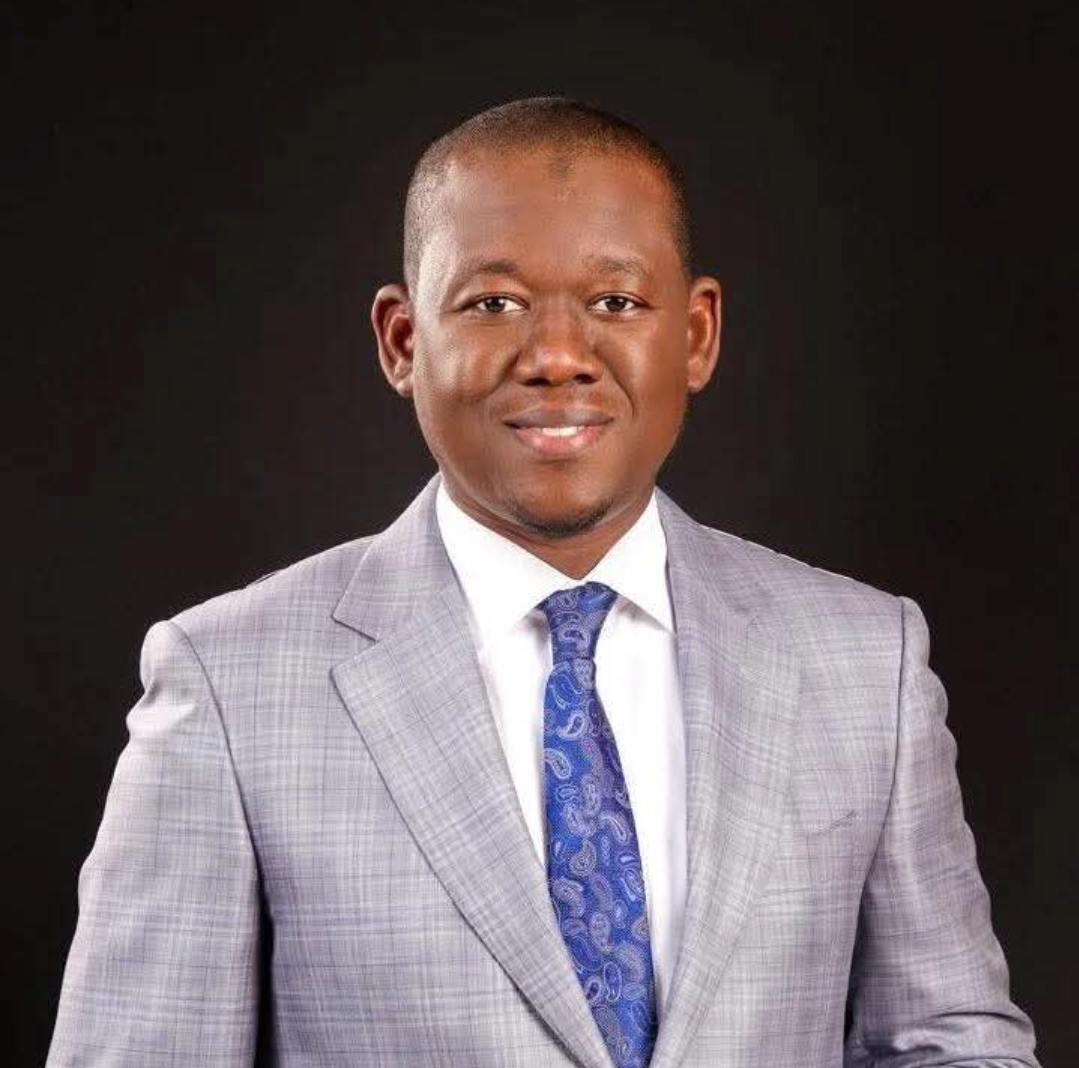
 When history remembers Nigeria’s march toward industrial self-reliance, one name bound to feature prominently is Muazzam Mairawani, the Kano-born billionaire and visionary chairman of MSM Group. Known for building one of Nigeria’s most diversified conglomerates—with footprints in oil and gas, shipping, fintech, agriculture, automobiles, energy, and e-governance—Mairawani has once again set his sights on a sector critical to the nation’s infrastructure: cement production.
In 2011, Mairawani entered the business world with MSM Group as a modest fertilizer supplier. Within just over a decade, he transformed it into a powerhouse conglomerate. His bold bets—like franchising Tangaza mobile pay during Nigeria’s push toward a cashless economy—earned him early recognition as a forward-thinking entrepreneur. Yet, his $600 million investment in a cement plant in Kebbi State, with a total project value projected at $2.4 billion, marks his most ambitious step yet.
The Kebbi cement facility, designed with a 3 million tons per annum capacity, is positioned to directly challenge established giants such as Dangote Cement and BUA Cement. Beyond rivalry, it promises transformative impact: an estimated 45,000 jobs (20,000 direct and 25,000 indirect) and a contribution of roughly 5% to Nigeria’s total cement output.
Strategically located in Nigeria’s northwest, close to border regions, the plant also strengthens the nation’s capacity for manufactured exports, aligning with government industrialization policies. To this end, the Kebbi State Government signed a Memorandum of Understanding (MoU) with MSM Cement Limited, pledging full support to ensure a conducive operating environment.
But Mairawani is not merely an empire builder. A man shaped by discipline and discretion, he works by two principles: “Once greedy, forever a loser” and “For every successful business, there must be great partners.” These guiding beliefs have helped him forge lasting partnerships and sustain MSM Group’s credibility.
His impact also extends beyond boardrooms. A quiet philanthropist, Mairawani was awarded the SDGs Peace Ambassador’s Award by the United Nations International Peace and Governance Council for his contributions to sustainable development, governance, and peace-building in Africa.
The Kebbi cement project, expected to be completed within two years, is more than just an industrial plant. It is a symbol of Nigeria’s evolving economy, where indigenous entrepreneurs are willing to stake billions to reshape industries, create jobs, and push the boundaries of what local businesses can achieve.
For many Nigerians, this venture rekindles memories of past industrial dreams delayed or derailed by policy inconsistencies and infrastructural gaps. Yet, Mairawani’s boldness reflects a new wave of private-sector-led investments that could accelerate the nation’s path to self-sufficiency and competitiveness on a global stage.
In retrospect, his journey from a fertilizer supplier to one of Nigeria’s most daring industrial investors is not just a personal triumph but also a reflection of what is possible when vision meets execution. The Kebbi cement plant is not only about cement, it is about laying the foundation of a stronger, self-reliant Nigeria.
Discover more from Ameh News
Subscribe to get the latest posts sent to your email.